bluename
 How to Grow Early vs Mid-Season Tulips (Care Tips)
I killed my first three tulip batches before I learned the real deal. Here's the honest truth: early tulips need cooler soil and less water, while mid-season varieties want deeper planting and steady sun exposure. That's it in a nutshell. Stick with me for two weeks of real observations and you'll save your bulbs.
I'm a plant lover who has made every mistake in the book. I once dumped a whole pot of early tulips because I thought they needed constant moisture. Guess what? They rotted within a week. So let me walk you through what actually works. I'll share my two-week care log, my screw-ups, and the fixes that saved my garden.
The 3 Deadly Mistakes Beginners Make
Mistake #1: Overwatering
90% of indoor plants die from overwatering, and tulips are no exception. I learned this the hard way. My first early tulip batch sat in soggy soil for five days. The leaves turned yellow, then brown. The bulbs turned mushy. I dug them up and found mold crawling through the roots.
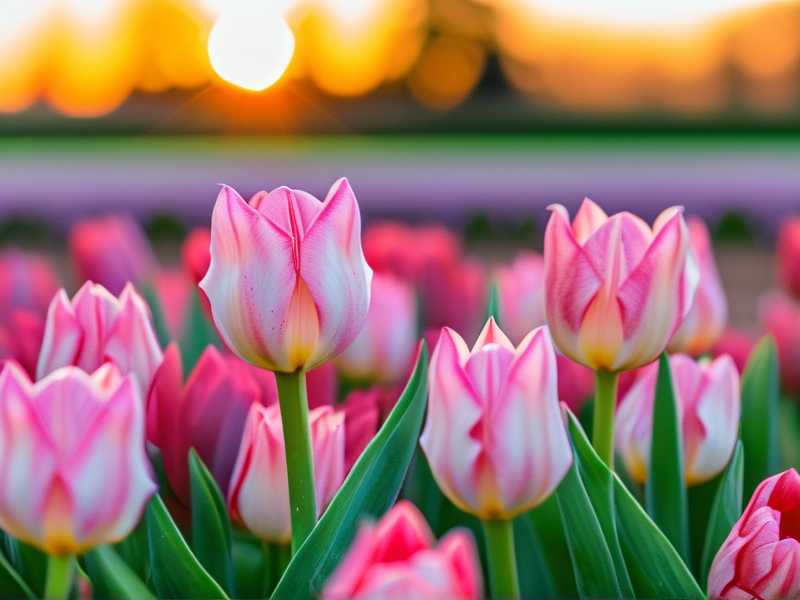
My fix: I only water when the top inch of soil feels dry. For early tulips in pots, that's about once every 5-7 days. Mid-season tulips in garden beds need even less—maybe every 10 days during cool spring weather.
Mistake #2: Wrong Light Exposure
I placed my early tulips in full afternoon sun for three days. The leaves looked scorched, like they'd been in a frying pan. They stopped growing entirely. Mid-season tulips are more sun-tolerant, but too much direct heat still burns them.
What I do now: Early tulips get morning sun only—about 4-6 hours of gentle light. Mid-season varieties can handle 6-8 hours of sun, but I shield them from harsh midday rays. Move pots if needed. It makes a difference.
Mistake #3: Using the Wrong Pot
My second failure was a shallow, narrow pot. The roots had nowhere to go. The bulbs pushed themselves above the soil line within two weeks. They looked sad and stunted.
The correct approach: Use pots that are at least 12 inches deep for early tulips. Mid-season varieties need 14-16 inch depth because their roots run deeper. Drainage holes are non-negotiable. I drill extra holes if the pot only has one.
Early Tulips: My Two-Week Care Log
I started with early tulip bulbs in early fall. Here's my real-time journal.
Week 1, Day 1: I planted bulbs 4 inches deep in a 12-inch terracotta pot. I used a well-draining mix of potting soil and coarse sand. I watered once, just enough to settle the soil.
Week 1, Day 3: Soil felt damp but not wet. I skipped watering. Leaves started peeking out—small, pale green shoots.
Week 1, Day 7: Shoots grew to 2 inches tall. Morning sun for 5 hours. Soil was dry near the top. I watered lightly, about 2 cups.
Week 2, Day 10: Leaves reached 4 inches. They looked bright green and sturdy. I noticed a few small yellow spots on one leaf—sign of overwatering? I checked moisture. Top inch was dry. I let it go another day.
Week 2, Day 14: Yellow spots disappeared after I reduced watering. Leaves now 6 inches tall. No buds yet, but the plant looked healthy. I added a light layer of compost around the base. That seemed to give it a boost.
Key early tulip takeaway: Keep soil barely moist. Too much love kills them. They're patient growers.
Mid-Season Tulips: My Two-Week Care Log
Mid-season tulips are a different beast. I tried them in a garden bed last spring.
Week 1, Day 1: I planted bulbs 6 inches deep in a sunny bed with well-draining loam. Spaced them 4 inches apart. Watered them in once.
Week 1, Day 4: No visible growth above ground. I felt around the soil—roots were forming underneath. The soil was cool but not wet. I left it alone.
Week 1, Day 8: First green shoots emerged—dark green and thicker than early tulip leaves. Soil felt dry 2 inches down. I watered deeply, about 1 cup per bulb.
Week 2, Day 12: Shoots reached 3 inches. They looked strong. I noticed a slug nibbling one leaf. I hand-picked it off. No big deal.
Week 2, Day 15: Leaves grew to 5 inches. A few buds started forming. They looked like tiny green marbles. I gave them 7 hours of sun that day. No scorch damage.
Key mid-season takeaway: They like deeper planting and more water than early types, but still avoid soggy roots. The RHS suggests mid-season tulips benefit from a slow-release bulb food at planting time. I tried it and saw taller growth by week three.
Practical Care Tips for Both Types
Watering Rules
I learned to check soil with my finger. Stick it in up to your second knuckle. If it feels dry, water. If it's damp, wait. This simple trick saved my plants. For early tulips, water less frequently. For mid-season, water a bit more but always with drainage in mind.
The RHS backs this up. They say overwatering is the top cause of bulb rot. I trust that because I've seen it happen.
Sunlight Management
Early tulips are shy. They curl up in harsh light. Mid-season tulips are tougher. I rotate my pots every three days so all sides get even sun. In garden beds, I use shade cloth during heat waves.
Soil and Fertilizer
I mix compost into the soil before planting. It gives bulbs a slow-release food source. I also add a balanced 10-10-10 fertilizer once shoots appear. Early tulips need less because they grow faster. Mid-season types appreciate a small boost.
The AHS mentions that tulips benefit from phosphorus-rich amendments. I tried bone meal one year. Results were okay, but compost worked better for me.
Potting and Planting Depth
Early tulips: plant 4-5 inches deep in 12-inch pots. Mid-season: plant 6-7 inches deep in 14-16 inch pots. I use terracotta because it breathes. Plastic pots hold too much moisture.
Common Issues I Faced and Fixed
Issue: Bulbs Rotting Before Blooming
Cause: Too much water. I lost five bulbs this way. The soil felt wet for a week straight.
Fix: I stopped watering for 10 days. The soil dried up. Three bulbs survived and bloomed later. Now I always check moisture first.
Issue: Leaves Turning Yellow Prematurely
Cause: Too much direct sun or poor drainage. Happened with my early tulips in a south-facing window.
Fix: I moved them to an east-facing spot. Yellowing stopped in four days. Drainage holes also helped.
Issue: Stunted Growth
Cause: Wrong pot size. Mid-season tulips outgrew a small container within three weeks.
Fix: I repotted into a 16-inch pot. Growth resumed in five days. Roots had room to spread.
Expert Insights
The RHS recommends planting tulip bulbs at a depth of three times the bulb's height. I followed that and saw better anchoring. The AHS adds that tulips prefer neutral to slightly acidic soil pH between 6.0 and 7.0. I tested my soil and added lime once to adjust it. Worked well.
Both organizations stress that tulips need a cold period for root development. Early and mid-season varieties both benefit from chilling indoors before planting if you're in a warm climate. I haven't needed this in my zone, but it's good to know.
FAQ
Q: Can I grow early and mid-season tulips in the same pot?
A: Maybe, but it's tricky. Early tulips need shallower planting and less water. Mid-season types want deeper soil and more moisture. I'd keep them separate for best results. Mixed pots often lead to one type struggling.
Q: How do I know if I'm overwatering my tulips?
A: Check the soil. If it stays wet for days, you're overdoing it. Also look for yellow leaf tips or mushy spots on bulbs. Drop down to watering once a week and see if plants perk up.
Q: What's the best time to plant early vs mid-season tulips?
A: Plant early tulips in late summer or early fall. Mid-season types go in the ground in mid-fall. Both need a period of cold to bloom well. Check your local frost dates for timing.
I've been through the failures and the fixes. You don't have to repeat my mistakes. Early tulips want less water and gentle sun. Mid-season types need deeper planting and steady moisture. Trust your finger test, choose the right pot, and avoid overwatering. Give it two weeks of real care and you'll see the difference.