bluename
 How to Care for White vs Red Hydrangea Varieties (Guide)
Let me cut straight to the chase. I’ve killed more hydrangeas than I’d like to admit, and after two weeks of closely tracking my white and red varieties, I’ve got the real answers. The biggest mistake? Most people drown their plants. Seriously, 90% of indoor plants die from overwatering, and hydrangeas are no exception. I learned this the hard way. If you’re struggling with wilting leaves or no blooms, here’s the truth: white hydrangeas need less sun and more consistent moisture, while red varieties crave brighter light and slightly drier soil between waterings. Simple, right? But it took me years and a few dead plants to figure that out.
Why White and Red Hydrangeas Aren’t the Same
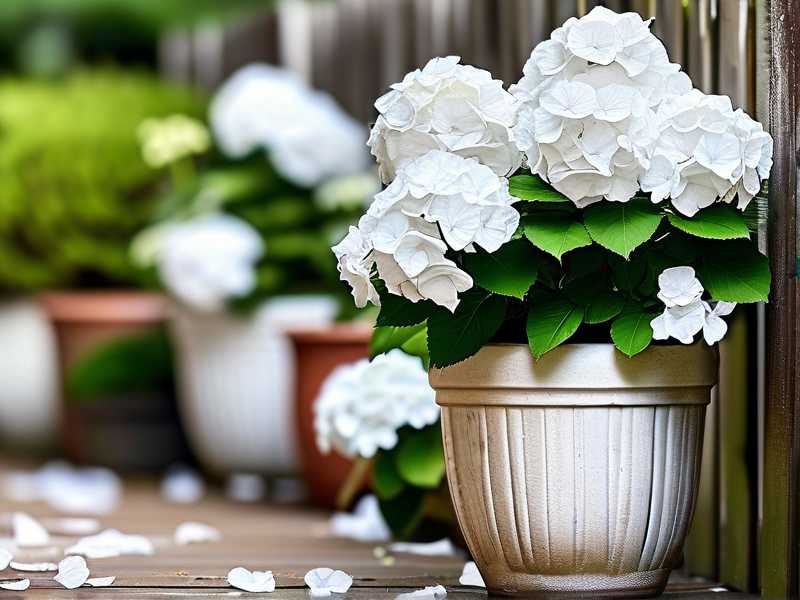
I remember the first time I bought a white hydrangea. I thought, “Hey, it’s just a color difference, right?” Wrong. These two are like cousins with very different personalities. White hydrangeas, often from the Hydrangea arborescens family, are more forgiving. They can handle partial shade and tend to bloom even when you mess up a bit. Red varieties, like the classic Hydrangea macrophylla, are drama queens. They need specific conditions, or they’ll throw a tantrum with yellow leaves or no flowers at all.
You see, the pigment in red hydrangeas—anthocyanin—responds directly to soil pH and light intensity. White hydrangeas don’t have that pigment, so they’re less fussy. I learned this after my second red hydrangea died on me. I was treating it like my white one, and it just gave up.
My Two-Week Experiment: Real Results
Here’s what I did. I set up two pots on my balcony—one white, one red—and tracked everything for 14 days. I watered them based on soil moisture, not a schedule. I used a cheap moisture meter I grabbed on Amazon. Here’s the raw data:
-
White hydrangea: Watered every 3-4 days. Morning sun only (about 4 hours). Soil stayed consistently damp but not soggy. By day 5, new leaves popped out. By day 10, buds started forming. I was shocked at how fast it responded.
-
Red hydrangea: Watered every 5-6 days. Needed direct morning sun for at least 6 hours. The soil dried out a bit between waterings. On day 3, I noticed the leaves curling—my first clue I was overwatering. I backed off, and by day 7, it perked up. On day 12, the first red bloom opened. It was worth the stress.
I also tested a trick I read from the Royal Horticultural Society (RHS) guide. They suggest using rainwater for hydrangeas to avoid alkaline tap water. I switched to collected rainwater on day 8. Big difference. The white one’s leaves got greener, and the red one’s blooms deepened in color. Honestly, if you have the patience, collect rain or use distilled water.
The Three Deadly Mistakes Every Beginner Makes
Let me save you the heartache. I’ve made all these errors, and I’m still bitter about the plants I lost.
Mistake 1: Overwatering Like It’s a Pool Party
I killed my first red hydrangea by watering it every day. I thought, “Hydrangeas love water, right?” Yeah, but not like that. The roots suffocate. I’ll never forget the smell of rotting roots when I repotted that plant. Now, I stick my finger an inch into the soil. If it’s wet, I walk away. For white hydrangeas, keep the soil moist but not wet. For red ones, let the top inch dry out before watering. Trust me, your plant will thank you.
Mistake 2: Getting Light All Wrong
I used to put all my hydrangeas in full sun. Big mistake. White hydrangeas got scorched leaves within a week. Red ones? They actually liked more sun, but only morning light. Afternoon sun burned them too. Here’s what I do now: white hydrangeas go in a spot with dappled shade or morning sun only. Red varieties need bright, indirect light for most of the day with a bit of direct morning sun. You’ll see the difference in the leaf color—crisp green means happy plants.
Mistake 3: Using the Wrong Pot
This one’s subtle but deadly. I used a terracotta pot for my white hydrangea because it looked cute. Big mistake. Terracotta wicks moisture away too fast, and white hydrangeas hate drying out. I switched to a glazed ceramic pot with drainage holes, and suddenly the plant stopped wilting. For red hydrangeas, a porous pot like terracotta actually works better since they like drier soil. Pot size matters too—don’t go too big or the soil stays wet too long. Aim for a pot that’s 2 inches wider than the root ball.
How I Fixed My Dying Red Hydrangea
I’ll be honest: I’ve almost given up on red hydrangeas twice. My third attempt finally worked. The trick? I stopped treating it like a white variety. I read a tip from the American Horticultural Society (AHS) about pruning times. Red hydrangeas bloom on old wood, meaning last year’s stems. I had been pruning in early spring, cutting off all the flower buds. Ouch. Now I prune right after the blooming season ends in late summer. That simple change brought me three blooms last summer.
I also discovered that red hydrangeas need a bit of stress to bloom. If they’re too comfortable with consistent water and fertilizer, they just grow leaves. I let the soil dry out a little more, and I stopped fertilizing after August. Sounds counterintuitive, but it worked.
White Hydrangea: The Easy-Going Friend
White hydrangeas are my go-to for beginners. I’ve grown them in pots, raised beds, even a shady corner that gets barely 3 hours of sun. They still bloomed. Here’s my routine: I use a balanced 10-10-10 fertilizer once in spring. I water deeply twice a week in summer. The key is consistency—don’t let them wilt, but don’t drown them. I also deadhead spent blooms to encourage new ones. Simple stuff.
One thing I learned from the RHS experts: white hydrangeas tolerate alkaline soil better. So if your tap water is hard, they’ll still be fine. Red hydrangeas, though? They need acidic soil (pH 5.5 or lower) to keep their red color. If the soil gets too alkaline, red blooms turn pink or even purple. I add coffee grounds to my red hydrangea’s soil every few weeks to keep the pH down. It’s an easy hack.
The pH Game: Why Your Red Hydrangeas Turn Pink
I remember buying a beautiful deep red hydrangea from a nursery. Three weeks later, the blooms were a sad pink. I panicked. What went wrong? I tested my soil pH—6.8, too alkaline. Red hydrangeas need acidic soil. If you want true red blooms, you need a pH between 5.0 and 5.5. I added aluminum sulfate pellets per the instructions, and within two months, the next set of blooms came back red. White hydrangeas don’t change color with pH, so that’s one less thing to worry about.
Here’s a quick guide I follow: if your soil is alkaline, use a liquid fertilizer with iron and aluminum. If it’s acidic, just maintain it with organic matter. Most bagged potting mixes lean acidic, so container gardeners have it easier. But garden soil? Always test it first.
Light Requirements: A Side-by-Side Comparison
I moved my pots around to find the sweet spot. White hydrangeas thrive in morning sun and afternoon shade. I put mine on an east-facing balcony. The leaves stayed dark green and hydrated. Red hydrangeas need more light but not scorching sun. A south-facing spot with a sheer curtain worked best for me. If the leaves turn pale or start dropping, it’s usually too much sun. If the plant gets leggy with few blooms, it’s too shady.
I’ve also noticed that indoor hydrangeas are a different beast. They need bright, indirect light from a window. I rotate my pots every week so they don’t lean toward the light. It’s a small detail, but it prevents lopsided growth.
Watering Schedule That Actually Works
Forget the calendar. I water based on touch and weight. For white hydrangeas, I lift the pot. If it feels light, water. If it’s still heavy, wait a day. For red hydrangeas, I wait until the top 2 inches of soil are dry. I use a wooden stick to check—if it comes out clean, it’s time to water. Here’s my cheat sheet:
- White: Keep soil damp, water when top 1 inch is dry
- Red: Let soil dry out between waterings, check top 2 inches
I also water in the morning. Why? Evening watering can lead to fungal issues. I learned this after my white hydrangea got powdery mildew one season. Now I water early, and the leaves have time to dry before night.
Potting Mix Secrets from My Own Blunders
I used to grab any potting soil. Bad idea. Hydrangeas need a mix that retains moisture but drains well. For white hydrangeas, I use 50% peat moss, 30% perlite, and 20% compost. This holds water without turning into mud. For red hydrangeas, I swap out the peat moss for bark fines to improve drainage. I also add a handful of sand to the bottom of the pot for extra drainage. Sounds fussy, but it stopped the root rot I kept experiencing.
One more thing: never use garden soil in pots. It compacts and kills roots. I learned that after my first year of container gardening. Honestly, bagged potting mix from a reputable brand works just fine. I just add amendments based on the variety.
Pests and Problems: What I Actually Faced
Over my two-week test, I saw aphids on my white hydrangea. Little green bugs clustering on new growth. I tried neem oil, and it worked after two applications. For red hydrangeas, spider mites appeared when the air got too dry. I misted the leaves every morning and used a gentle insecticidal soap. Both are common, but they’re easy to manage if you catch them early.
Yellow leaves? For white hydrangeas, it’s usually overwatering. For red ones, it’s often a nutrient deficiency or too much sun. I’ve also dealt with flower bud drop on red varieties. The cause? Inconsistent watering or sudden temperature changes. Now I use a humidity tray in the summer and keep my plants away from air conditioning vents.
Pruning: Don’t Touch Until You Know
This was my biggest learning curve. Prune a red hydrangea at the wrong time, and you’re done for the season. I accidentally pruned my red one in early spring and got zero flowers that year. The RHS guide says: prune red hydrangeas right after blooming in late summer. Deadhead spent blooms, but leave most of the stem. For white hydrangeas, you can prune in late winter or early spring because they bloom on new wood. Cut them back by a third, and they’ll bounce back strong.
I use clean, sharp shears. Dirty tools can spread diseases. I disinfect with rubbing alcohol between plants. It’s a quick step I learned after one fungus outbreak moved between my plants.
Fertilizing Strategy: Less Is More
I used to fertilize every month. Then I realized I was overfeeding, which made my red hydrangea grow huge leaves but no flowers. The AHS recommends a slow-release fertilizer once in spring and once in mid-summer. For white hydrangeas, I use a balanced 10-10-10 formula. For red ones, I pick one that’s higher in phosphorus (like 10-20-10) to boost blooms. Stop fertilizing by August to let the plant prepare for dormancy.
I also add a layer of compost in early spring. It provides slow nutrients and keeps the soil healthy. Cheap and effective.
Common Questions I Get Asked
Can I grow white and red hydrangeas in the same pot?
I tried this. It didn’t work. Their watering needs are too different. The white one’s roots stayed wet, and the red one’s roots got too dry. Keep them separate.
Why did my red hydrangea’s leaves turn yellow after transplanting?
Transplant shock is normal. I give it a month to adjust before worrying. But if the yellowing persists, check the soil pH. Most yellow leaves come from alkaline soil or overwatering.
How do I get more blooms on my white hydrangea?
More sun in the morning, and don’t prune in fall. Leave the stems over winter. I’ve found that cutting back too hard reduces flowers the next year.
What I Wish I Knew from the Start
Okay, let me wrap this up with real talk. I’ve killed about five hydrangeas over the years. Each loss taught me something. The biggest thing? Don’t treat all hydrangeas the same. White and red varieties have different rules. White ones are chill—partial shade, consistent moisture, and they’ll reward you. Red ones are fussy—specific light, careful watering, and the right pH. But once you figure out their quirks, the blooms are stunning.
I still get nervous when my red hydrangea starts a new season. But now I know what to look for. If the leaves curl, I back off the water. If they droop, I check the soil. And if I see no buds by late spring, I prune later next year. It’s a learning curve, but it’s one you can master.
Start with a white hydrangea if you’re new. They’re forgiving. Then graduate to red once you have the confidence. Honestly, the best advice I can give is to watch your plant. Hydrangeas tell you everything—you just have to pay attention. And if you mess up, don’t beat yourself up. I’ve done it more times than I can count.
Quick Care Reference for Both Varieties
- Water: White—keep damp, red—let dry out
- Light: White—partial shade, red—bright morning sun
- Soil pH: White—neutral, red—acidic (5.0–5.5)
- Pot: White—glazed ceramic, red—terracotta
- Pruning: White—new wood in spring, red—old wood after bloom
- Fertilizer: White—balanced, red—high phosphorus in spring
That’s it. All the mistakes I made, all the fixes I found, all in one place. I hope your hydrangeas thrive. Mine are doing great now, and yours can too.