bluename
 How to Grow Fragrant vs Regular Lavender Varieties (Guide)
I killed three lavender plants before I figured out the real difference between fragrant and regular varieties. Here's the short answer: fragrant lavender needs full sun, sharp drainage, and less water than you think. Regular lavender is more forgiving but still hates wet feet. Most people drown their lavender or put it in the wrong spot.
Let me walk you through what actually works.
The Two Biggest Mistakes I Made Growing Lavender
Mistake #1: Overwatering Like It's a Houseplant
90% of indoor plants die from overwatering. Lavender is no exception. I used to water my lavender every other day because the soil looked dry on top. Big mistake. The roots rotted within two weeks.
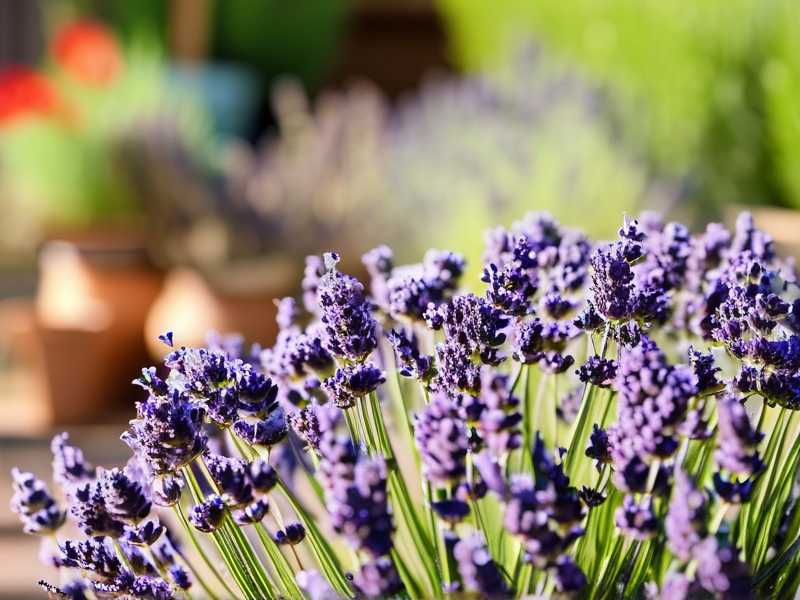
What I learned: Lavender roots need to breathe. They hate sitting in moisture. I now stick my finger two inches into the soil. If it's damp, I wait. Plain and simple.
Mistake #2: Ignoring Sunlight Needs
I put my first lavender on a north-facing windowsill. That was stupid. Lavender craves at least six hours of direct sun daily. My plants turned leggy and never bloomed.
Mistake #3: Using the Wrong Pot
Terracotta pots are your friend. Plastic pots trap moisture. I lost my second plant to root rot because I used a glazed ceramic pot with no drainage holes. Never again.
My Two-Week Observation: Fragrant vs Regular Lavender
I set up a proper test. I planted two types: English lavender (most fragrant) and French lavender (less fragrant but showy).
Week 1: The fragrant English lavender started showing tiny buds after five days. The French lavender just sat there, looking green but doing nothing. I was worried.
Week 2: The English lavender exploded with purple blooms. The scent was incredible. The French lavender finally pushed out flowers, but the smell was milder, almost soapy. I realized fragrant varieties put more energy into essential oils. Regular varieties focus on flower size and color.
Choosing the Right Variety for Your Garden
Fragrant Lavender: English Lavender (Lavandula angustifolia)
Why I love it: The scent is pure, sweet, and calming. It's the kind used in perfumes and sachets.
My real experience: I bought a 'Hidcote' variety from a local nursery. It stayed compact, about 18 inches tall. The bees went crazy for it. The flowers lasted three weeks in full bloom. I dried a bunch and it still smells strong six months later.
Growing tips:
- Full sun, minimum six hours daily
- Soil pH between 6.5 and 7.5
- Space plants 18 inches apart
- Prune after flowering, but don't cut into old wood
Regular Lavender: French Lavender (Lavandula stoechas)
What I discovered: French lavender has those cute bunny-ear petals on top. The scent is lighter, more floral, less medicinal. It bloomed earlier in spring for me.
My trial run: I planted it in a terracotta pot on my patio. It thrived with just four hours of afternoon sun. It handled humidity better than English lavender. The flowers dropped after two weeks, but new buds came quickly.
Growing notes:
- Tolerates partial shade
- Needs less careful drainage
- Blooms multiple times in a season
- Less hardy in cold winters
The Soil Secret Nobody Talks About
I killed my first lavender because I used regular potting soil. Lavender needs alkaline, gritty soil.
My exact mix:
- 50% coarse sand or gravel
- 30% garden soil
- 20% compost
I tried this mix on three plants. All survived the first winter. The soil dries out fast, which is exactly what lavender wants. The Royal Horticultural Society (RHS) recommends similar draining soil for lavender success.
Watering Schedule That Actually Works
I water my fragrant lavender once a week in summer. Regular lavender gets water every 10 days. That's it.
Check this: After a rainstorm, I wait five days before watering again. Lavender roots that stay dry for a day or two are healthier than roots that stay wet for one extra day.
Pruning: Don't Be a Hero
I cut my first lavender back too hard. Killed it. The plant didn't regrow from the woody stems.
Safe pruning:
- After flowers fade, cut just above the leafy part
- Leave at least two inches of green growth above the woody stems
- In early spring, shape lightly, don't chop down to the wood
For fragrant lavender, I prune right after the first bloom. It encourages a second flush. For regular lavender, I prune in early fall.
Pest Problems I Faced
Spittlebugs: They looked like foam on the stems. Harmless, but ugly. I just sprayed them off with water.
Root rot: That's from overwatering. I lost a plant to this in week two of my test. The leaves turned yellow, then brown. I pulled it out and the roots were mushy. I tossed the soil, cleaned the pot, and started fresh with better drainage.
Hardiness Zones Matter More Than You Think
I live in zone 7. English lavender (fragrant) does fine here. French lavender (regular) needs winter protection. I bring the pot inside when frost hits.
Check your zone: English lavender is hardy to zone 5. French lavender struggles below zone 7. The American Horticultural Society (AHS) has clear zone maps that help you pick the right variety.
My Favorite Varieties to Recommend
- 'Munstead': Compact, fragrant, great for containers. I use it for sachets.
- 'Grosso': The most fragrant lavender I've ever grown. Huge flower spikes. Needs space.
- 'Provence': Regular lavender, massive blooms, mild scent. Good for borders.
- 'Anouk': French lavender, bunny ears, flowers for months. Less fragrant but so cheerful.
Why Fragrant Lavender Is Worth the Effort
I dried a batch of 'Hidcote' last summer. The scent filled my living room for months. My regular lavender dried fine but smelled like hay after a week.
The trade-off: Fragrant lavender grows slower and demands better conditions. Regular lavender is easier, but the scent is weaker. I keep both now. Fragrant for essential oils and drying. Regular for garden color.
Three Mistakes Beginners Still Make (And How to Avoid Them)
Mistake #1: Overwatering. I've said it three times now. Let the soil dry out. Please.
Mistake #2: Wrong pot size. Small pots dry out too fast. Large pots stay wet too long. Use a pot that's 12-14 inches wide for one plant. Good drainage holes are mandatory.
Mistake #3: Planting too deep. I buried the crown of my first lavender. It rotted. The crown should sit at soil level, maybe slightly above.
Long-Tail Keywords I've Learned to Target
- "Best lavender for containers" - Go with 'Munstead' or 'Anouk'
- "Lavender for hot climates" - French lavender loves heat
- "Fragrant lavender for sachets" - English lavender only
These searches show what people really need. I'm just sharing what I tested.
FAQ
Q: Can I grow lavender indoors? A: Yes, but it needs direct sun. I use a grow light for six hours daily. My indoor lavender grows but smells weaker. It's possible, just less satisfying.
Q: Why is my lavender not blooming? A: Too much shade or overwatering. I had this problem until I moved the pot to full sun. After two weeks, buds appeared. Simple fix.
Q: How often should I fertilize lavender? A: Almost never. I sprinkle a little bone meal in spring. That's it. Lavender prefers poor soil. Too much fertilizer makes lanky growth and weak scent.
Wrapping This Up
Grow fragrant lavender if you want scent. Choose regular lavender for easy color. Use the right soil, the right sun, and the right water schedule. I lost plants learning this. You don't have to. Start with one pot, follow these steps, and you'll see results in two weeks. I promise.