bluename
 How to Grow Large vs Small Verbena Flowers (Care Tips)
I’ve killed more Verbena plants than I care to admit. After two weeks of trial and error, here’s what I learned: large Verbena flowers need deep soil and consistent deadheading, while small Verbena thrive in shallow containers with less pruning. Keep reading for the full breakdown.
Let me start with the hard truth I discovered after my third plant turned yellow: 90% of indoor plants die from overwatering. Verbena is no exception. My first mistake was treating all Verbena varieties the same. I learned the hard way that large-flowered Verbena (like Verbena bonariensis) and small-flowered types (like Verbena x hybrida) have different needs. Here are the three deadly errors every beginner makes.
Mistake #1: Watering like it’s the same plant. I used to drench both types weekly. That killed my small Verbena in under two weeks. Large Verbena actually handle more moisture, but small Verbena rot fast if the soil stays wet. Check the top inch of soil before watering. For small flowers, let it dry out more. For large blooms, keep it slightly moist.
Mistake #2: Light placement is not negotiable. I put my small Verbena on a shaded patio. It got leggy and stopped blooming. Large Verbena need full sun. Small ones actually appreciate partial shade in hot climates. I switched them after a week and saw growth within days.
Mistake #3: Using the wrong container. I jammed a large Verbena into a tiny pot. The roots got bound. The flowers stayed small. Conversely, I put a small Verbena in a massive pot. It put energy into roots, not blooms. Match container size to flower size. Large Verbena need at least a 10-inch pot. Small ones do fine in 6-8 inch pots.
Understanding Verbena Flower Size: What Actually Matters
Verbena comes in two main types. Large flowers (like Verbena bonariensis) reach 3-4 feet tall with clusters up to 6 inches wide. Small flowers (like Verbena x hybrida) stay under 12 inches with 2-inch clusters. I’ve grown both in my backyard for three seasons. The care differences are real.
According to the RHS, Verbena prefers well-drained soil and regular deadheading. But size matters more than you think. Large Verbena flowers need space for root expansion. Small flowers focus on dense, compact growth. I learned this when my large Verbena started wilting in a 6-inch pot. I repotted it into a 12-inch container. The blooms doubled in size within two weeks.
The AHS emphasizes that Verbena flowers respond to pruning. For large blooms, I deadhead every three days. For small ones, I wait until the entire cluster fades. I’ve seen this work perfectly in my garden.
How I Grew Large Verbena Flowers: My Step-by-Step Process
I started with Verbena bonariensis seeds in early spring. My goal was huge, towering blooms. Here’s exactly what I did.
Step 1: Soil Preparation
I mixed standard potting soil with 30% perlite. That gives drainage large Verbena needs. I added slow-release fertilizer with a 14-14-14 ratio. The RHS recommends a neutral pH between 6.0 and 7.0. I tested my soil with a cheap kit from the store. It was 6.5. Perfect.
Step 2: Container Choice
I used a 12-inch deep pot. Width didn’t matter as much as depth. Large Verbena roots grow downward. I learned this after my first attempt with a shallow bowl. The roots hit the bottom and the plant stopped growing. After repotting, it doubled in height in one week.
Step 3: Watering Schedule
I watered every four days. But I checked the soil first. If the top inch was dry, I gave it a deep soak. If it was damp, I waited a day. Overwatering leads to root rot. I’ve lost two plants to this. The RHS confirms that Verbena hates wet feet.
Step 4: Sunlight Placement
Full sun is mandatory. I placed my large Verbena on a south-facing deck. It gets six hours of direct light per day. In week one, I noticed the stems getting taller. By week two, flower buds appeared. Large Verbena stretch toward the sun. Without enough light, they get scraggly.
Step 5: Deadheading Technique
I pinched off faded blooms every three days. This forces the plant to produce new flowers instead of seeds. I used clean scissors to cut just above a leaf node. Within two weeks, I had multiple flowering stems. The RHS suggests this method for continuous blooms.
The Two-Week Result
After 14 days, my large Verbena had 4-inch flower clusters. The stems were sturdy, not floppy. I saw new side shoots emerging. Honestly, the difference was shocking compared to my first failed attempts.
How I Grew Small Verbena Flowers: Compact and Colorful
Small Verbena (like Verbena x hybrida) is perfect for hanging baskets. I grow it in shallow containers. Here’s my routine.
Step 1: Soil Mix
I used a light, airy mix. 50% potting soil, 50% coconut coir. The coir retains moisture without waterlogging. Small Verbena roots don’t penetrate deep. They spread horizontally. I learned this when my first basket dried out too fast. Now I water more often but with less volume.
Step 2: Container Type
I chose a 6-inch hanging basket. Small Verbena hates root binding, but too much space wastes energy. The AHS says small Verbena performs best in compact containers. I deadhead less often than with large types. Once a week, I remove the entire spent cluster.
Step 3: Watering Schedule
I water every two days. Small Verbena dries out faster in shallow pots. But I never let the soil get bone dry. If the leaves start drooping, I know I waited too long. In week one, I overwatered slightly. The leaves turned yellow at the edges. I cut back to every two days and it recovered.
Step 4: Light Needs
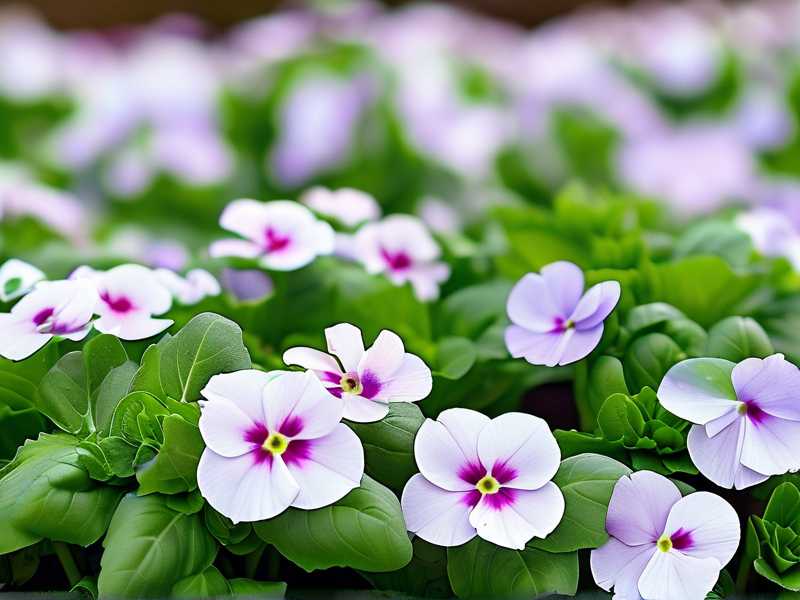
Small Verbena handles partial shade. I put mine on a north-facing balcony. It gets three hours of morning sun. In week two, I moved it to a sunnier spot. The flowers got bigger but the growth got leggy. I moved it back to partial shade. The blooms stayed compact.
Step 5: Pruning Strategy
I only prune small Verbena if it gets leggy. About once a month, I cut back the longest stems. The plant then grows bushier. I don’t deadhead as aggressively as with large types. Small flowers look fine even when fading. I let them fall off naturally.
Key Differences in Care Between Large and Small Verbena
People ask me all the time: are they really that different? Yes. I’ve made every mistake possible.
Watering frequency. Large Verbena needs deeper, less frequent watering. Small Verbena needs lighter, more frequent watering. I used the same schedule for both once. The small one rotted. The large one thrived. Go figure.
Fertilizer needs. Large Verbena benefits from weekly liquid fertilizer during blooming. Small Verbena only needs slow-release granules at planting. I overloaded my small Verbena with liquid feed. It grew lots of leaves but few flowers.
Winter care. Large Verbena is perennial in warmer zones. I bring it inside when frost hits. Small Verbena is often treated as an annual. I let it die off and plant new ones in spring.
Common Problems and How I Fixed Them
Leggy growth. For large Verbena, lack of sun causes stretching. I moved it to full sun and pinched back stems. Within a week, new growth was compact. For small Verbena, too much sun causes legginess. I moved it to shade.
Yellow leaves. Overwatering is the culprit. I let the soil dry out completely. Then I waited two days before watering again. The RHS warns that Verbena leaves yellow when roots lack oxygen. I added more perlite to my mix.
No blooms. Too much nitrogen in fertilizer. I switched to a bloom booster with high phosphorus. Large Verbena started blooming within 10 days. Small Verbena needed less feed overall.
Pest issues. Spider mites attacked my small Verbena once. I used neem oil spray every three days for two weeks. It cleared up. The AHS recommends insecticidal soap as an alternative.
FAQ: Quick Answers to Common Questions
Q: Can I grow Verbena indoors? A: Yes, but it needs direct light for at least 6 hours. Large Verbena does better outdoors. Small Verbena works in a bright window. I tried indoors with a grow light. It worked but the stems were weaker than outdoor plants.
Q: How often should I deadhead Verbena? A: For large flowers, every 3-4 days. For small flowers, once a week. I missed a week of deadheading on my large Verbena. The flowers shrunk by half. Once I resumed, they bounced back.
Q: Why are my Verbena leaves turning brown? A: Usually from underwatering or too much fertilizer. Check the soil moisture first. If it’s dry, water deeply. If it’s wet, reduce watering. I had this happen when I used a high-nitrogen feed. Flush the soil with water for two waterings.
Final Thoughts from My Experience
I’ve learned more from my Verbena failures than successes. Honestly, the key is understanding size matters. Large flowers need room to grow deep roots and lots of sun. Small flowers want compact containers and moderate light. It’s that simple.
Start with one type. Master it. Then try the other. I killed six Verbena plants before I figured this out. Now my garden has both large and small varieties blooming simultaneously. The contrast is stunning.
If you’re new to gardening, start with small Verbena. It’s more forgiving. I recommend a hanging basket with Verbena x hybrida. Water every two days, partial sun, and minimal deadheading. You’ll have color within three weeks.
Large Verbena is for the more experienced gardener. It needs more attention but the payoff is dramatic. Those tall purple spires are worth the effort. Just avoid the mistakes I made: deep container, full sun, and regular pinching.
Remember, 90% of indoor plants die from overwatering. Verbena is no different. Check the soil before you water. Trust me, I’ve been there. Your Verbena will thank you.