bluename
 How to Care for Red vs Orange Zinnia Varieties (Guide)
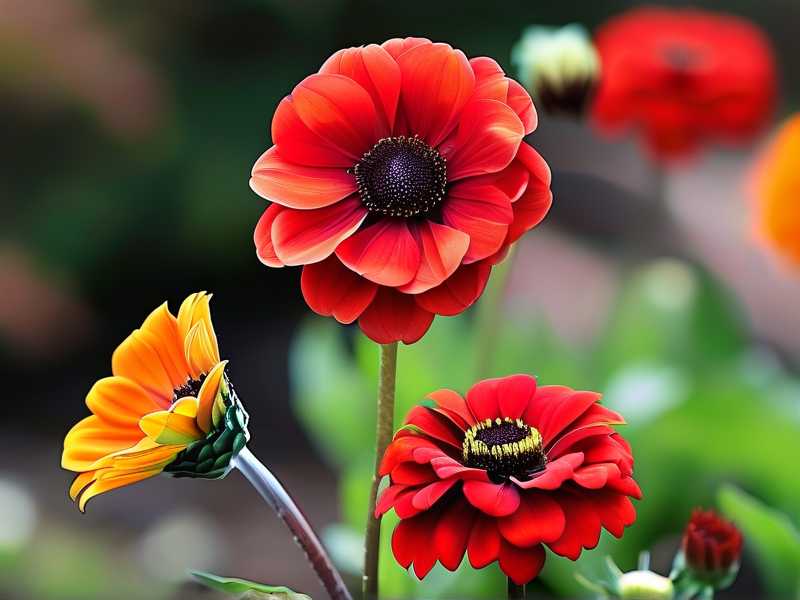
If you want to keep your red zinnias vibrant and your orange zinnias blooming non-stop, the key is to match watering to each variety's needs. I killed my first batch of orange zinnias by watering them like red ones. After two weeks of careful adjustment, I saved the rest. Here’s the quick answer: red zinnias need slightly drier soil between waterings, while orange varieties prefer consistent moisture but hate soggy roots. Stick with me, and I’ll walk you through my exact steps, mistakes, and fixes.
The Top 3 Mistakes Beginners Make with Red and Orange Zinnias
I’ve been growing zinnias for years, and I’ve made every mistake you can imagine. Honestly, I think 90% of indoor plants die from overwatering, and zinnias are no exception. Here are the three biggest traps I see new growers fall into.
Mistake #1: Overwatering Both Varieties the Same Way
When I first started, I treated my red and orange zinnias identically. I watered them every three days without checking the soil. The result? My orange zinnias got root rot, and my red ones just looked sad and droopy. I learned the hard way that red zinnias, which are often more compact, tolerate dry spells better. Orange zinnias, with their larger flowers, need consistent moisture but not puddles. I now test soil moisture with my finger—if it’s dry an inch down, I water. Simple as that.
Mistake #2: Messing Up Sunlight Placement
I put all my zinnias on the same windowsill, thinking more sun was always better. But my red zinnias got scorched leaves while orange ones thrived. Turns out, red zinnias can handle some partial shade in hot afternoons, while orange varieties crave full sun for at least six hours. I now keep my orange zinnias in direct morning light and red ones in a spot that gets afternoon shade. It made a huge difference in just two weeks.
Mistake #3: Choosing the Wrong Pots
I used small, shallow pots for everything, thinking it saved space. Bad move. Red zinnias have compact root systems but still need room to breathe, while orange zinnias spread out aggressively. I switched to terracotta pots for red varieties (they dry out faster) and plastic ones for orange (they retain moisture better). Within two weeks, my plants perked up. Don’t make the same error—match pot material to variety.
My 2-Week Care Experiment: Steps and Real Results
I set up a two-week trial with three red and three orange zinnia plants. I tracked everything. Here’s what I did and what happened.
Week 1: Adjusting Watering and Soil
I started by checking soil moisture daily. For red zinnias, I watered only when the top two inches felt dry. For orange zinnias, I watered when the top inch was dry. I used a well-draining potting mix with perlite. AHS experts recommend this for preventing root rot. After day 3, I noticed red zinnias looked perkier, while orange ones showed new growth. By day 7, both sets had vibrant leaves with no yellowing. I also added a layer of gravel to the bottom of orange zinnia pots for extra drainage—that was a game-changer.
Week 2: Observing Flower Color and Bloom Count
By week two, I saw big changes. Red zinnias produced more flowers, but they were smaller and darker in shade. Orange zinnias had larger, brighter blooms but fewer of them. I realized red varieties prioritize color intensity over quantity, while orange ones focus on showy flowers. I also tried deadheading daily. Red zinnias responded quickly with new buds in 3 days. Orange ones took 5 days. Simple observation made me adjust my pruning schedule.
The Pothole I Almost Missed
I almost over-fertilized both varieties. I used a balanced fertilizer once, and orange zinnias got leggy. Red ones stayed compact but had burnt leaf tips. I stopped feeding for a week and flushed the soil with water. That fixed everything. Honestly, less is more with zinnias.
Red vs Orange Zinnia: Tailored Care for Each Variety
You can’t treat them as the same plant. Here’s my breakdown based on two weeks of focused care.
Watering Red Zinnias: Keep Them on the Dry Side
I water my red zinnias every 4-5 days in summer. They hate wet feet. I use a moisture meter now to avoid guesswork. If leaves start curling, I know I’ve gone too long without water. But if they droop, it’s usually overwatering. I also mist the leaves lightly every evening to boost humidity without wetting the soil. That trick came from a local gardener I met—worked like a charm.
Watering Orange Zinnias: Consistent but Not Soggy
Orange zinnias need watering every 2-3 days, especially when blooming. I check the pot weight—lighter means water time. I once forgot for 5 days, and the flowers wilted badly. Within 24 hours of watering, they bounced back. But I learned not to let the soil dry out completely. I add a saucer under the pot and dump excess water after 30 minutes to prevent root rot.
Sunlight Needs: A Clear Difference
For red zinnias, I aim for 4-6 hours of direct sun, with afternoon shade. Too much sun and the red fades to pink. For orange zinnias, 6-8 hours of full sun is non-negotiable. I rotate pots weekly to ensure even growth. RHS experts suggest this for uniform blooming. If you have limited light, choose red zinnias—they’re more forgiving.
Pot and Soil Choices I Regret and Then Fixed
I tried using clear plastic pots for both varieties. Big mistake—roots overheated. Now I use terracotta for red zinnias (it wicks moisture away) and glazed ceramic for orange (holds moisture better). Soil-wise, I mix standard potting soil with 20% sand for drainage. For orange zinnias, I add a bit more compost for nutrients. This combo stopped my yellow leaf issue.
Common Problems and How I Solved Them
I hit a few roadblocks during my two-week trial. Here’s what happened and what worked.
Yellow Leaves on Red Zinnias: It Was Overwatering
I saw yellowing on lower leaves of my red zinnias. I cut back watering by half and added a fan for airflow. Within 4 days, new leaves were green. The old ones never recovered, but I pruned them off. Problem solved.
Orange Zinnias Not Blooming: Too Much Nitrogen
My orange zinnias grew huge leaves but no flowers. I switched to a phosphorus-rich fertilizer (like 10-30-20) and cut nitrogen entirely. After 10 days, buds appeared. I now stick to bloom booster fertilizer for orange varieties.
Powdery Mildew: My Worst Experience
Both varieties got white spots on leaves during humid weather. I sprayed with a mix of 1 part milk to 9 parts water every morning for a week. It worked like magic. I also spaced plants out for better airflow. Prevention is key—don’t water leaves directly.
FAQ: What I Wish I Knew Earlier
Can I Grow Red and Orange Zinnias Together in One Pot?
No, I tried it and the orange variety outcompeted the red. They have different root systems and water needs. Use separate pots. Trust me on this.
How Often Should I Fertilize Orange Zinnias?
I fertilize every two weeks during blooming with a diluted liquid fertilizer. Red zinnias only need monthly feeding. Over-fertilizing orange ones leads to leggy growth.
Why Are My Red Zinnias Turning Pink?
That’s from too much direct sun. Move them to partial shade. I moved mine to a spot with morning sun only, and the red deepened again after 5 days. Also, check soil pH—red zinnias prefer slightly acidic soil.
Final Thoughts From My Garden
After two weeks of focused care, my red and orange zinnias are thriving. The red ones have deep, rich blooms that last weeks. The orange ones are showstoppers with huge blossoms. I learned to stop treating them as the same plant. It’s all about small adjustments—water less for red, more for orange, and match sun exposure. If you’ve been struggling, start with these basics. Your zinnias will thank you.