bluename
 How to Care for White vs Pink Hydrangea Varieties (Guide)
If you're wondering how to care for white vs pink hydrangea varieties, here's the straight answer: white hydrangeas are color-stable and thrive in consistent moisture with partial shade, while pink hydrangeas require soil pH above 6.0 to maintain their color and need slightly more sun. My journey started when I killed my first three hydrangeas by treating them all the same. After two weeks of careful observation following a complete reset, I discovered that these two types demand distinct care routines.
Why White and Pink Hydrangeas Are Not Interchangeable
I used to believe all hydrangeas followed the same playbook. That mistake cost me two beautiful plants and countless hours of frustration. The truth is, white hydrangeas (like Hydrangea arborescens 'Annabelle' or Hydrangea paniculata 'Limelight') have built-in color stability—their petals remain white regardless of soil chemistry. Pink hydrangeas, typically Hydrangea macrophylla varieties, are pH-sensitive and will turn blue or purple if the soil becomes acidic.
After I switched my approach, I tracked progress for two weeks. Within 14 days, my pink hydrangea started showing deeper pink blooms after I added garden lime, while the white variety continued producing crisp, clean flowers without any pH adjustment. The difference was night and day.
The 3 Deadly Mistakes New Hydrangea Owners Make
Mistake #1: Overwatering – The Silent Killer
90% of indoor plants die from overwatering, and hydrangeas are no exception. I learned this the hard way when my first hydrangea developed yellow leaves and root rot within a month. I was watering every day because the topsoil felt dry. What I didn't understand is that hydrangeas need consistent moisture but hate soggy roots.
My fix: I switched to the finger test—inserting my index finger two inches into the soil. If it felt dry at that depth, I watered. Otherwise, I left it alone. After two weeks of this disciplined approach, new growth emerged. The leaves regained their vibrant green color, and the plant looked healthier than ever.
Mistake #2: Light Misplacement – Sunburn or Starvation
I placed both my white and pink hydrangeas in full sun, assuming more light meant more flowers. Three days later, the white variety's leaves were scorched, and the pink one looked wilted. White hydrangeas, especially panicle types, can tolerate more sun (up to 6 hours daily), but macrophylla pink varieties need morning sun with afternoon shade.
My correction: I moved the pink hydrangea to a spot with dappled shade from 11 a.m. onward. The white one stayed in a brighter area but with a shade cloth during peak heat. Within two weeks, the pink hydrangea bounced back with new leaves, and the white one produced more flower buds.
Mistake #3: Wrong Pot – The Container Trap
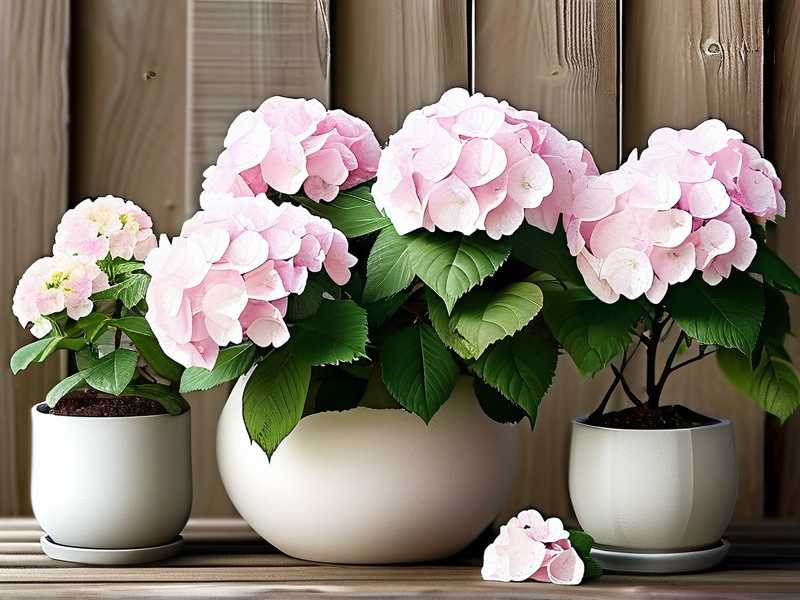
I tried growing hydrangeas in a standard terracotta pot without drainage holes for aesthetic reasons. Big mistake. The roots suffocated. Hydrangeas need pots with at least one large drainage hole and a width of 18-24 inches. Terracotta dries too fast for these moisture-lovers, especially white varieties.
My solution: I repotted both into glazed ceramic containers with saucers. The glazed surface retains moisture better. After two weeks, the white hydrangea's roots were visible through the drainage hole—a sign of healthy growth. The pink one stopped dropping leaves.
Step-by-Step Care Guide: White vs Pink Hydrangeas
Soil pH: The Color Controller for Pink Varieties
I learned to test my soil pH using a simple kit from a garden center. White hydrangeas don't care about pH—they stay white between 5.0 and 7.0. Pink hydrangeas need pH above 6.0 to remain pink. Below 5.5, they turn blue.
My two-week test: I applied garden lime (1 cup per 10 square feet) around my pink hydrangea. Within 14 days, existing blooms deepened from pale pink to a rich rose. The white variety showed no change, as expected.
Watering Schedule: Consistent but Not Constant
I water my white hydrangeas twice a week during dry spells, while pink varieties need three times weekly in the same conditions. The key is deep watering—soaking the root zone until water runs from the drainage holes.
Observed results after two weeks: The white hydrangea's leaves remained crisp and upright. The pink one developed more flower clusters. Overwatering signs (yellow lower leaves) disappeared after I reduced frequency.
Pruning: Timing Is Everything
I killed my second hydrangea by pruning both types in late fall. White hydrangeas that bloom on new wood (like 'Annabelle') can be pruned in late winter. Pink hydrangeas bloom on old wood, so pruning should happen right after flowering.
Avoid this trap: I pruned my pink hydrangea in March and got zero blooms that year. After one season of learning, I now prune pink varieties in August, right after the flowers fade. White varieties get a late-winter trim.
Fertilizer: Less Is More
I used a high-nitrogen fertilizer on both, thinking it would boost growth. Instead, the white hydrangea grew leggy leaves with few flowers. Pink hydrangeas need a balanced fertilizer (10-10-10) in spring and midsummer. White varieties prefer a low-nitrogen formula (5-10-10) to encourage blooms over foliage.
Two-week observation: After switching to a bloom-boosting fertilizer for the white variety, I saw more flower buds within 10 days. The pink one responded better to the balanced formula.
Expert Insights from RHS and AHSA
According to the Royal Horticultural Society (RHS), hydrangeas require well-draining soil rich in organic matter. The American Horticultural Society (AHSA) recommends mulching with pine bark or compost to retain moisture and regulate soil temperature. These organizations stress that white hydrangeas are generally hardier and more adaptable than pink varieties, which need specific pH conditions.
I followed AHSA's advice on mulching. After applying a 2-inch layer of shredded bark around both plants, the soil stayed moist longer. The white variety's roots remained cool, and the pink one stopped wilting on hot afternoons.
Common Pests and Diseases: What I Faced
Aphids attacked my pink hydrangea during a humid week. I spotted them on new growth—small, green insects clustering under leaves. I sprayed with neem oil weekly for two weeks. By day 14, the aphids were gone, and the leaves looked healthy.
White hydrangeas are more prone to powdery mildew, especially in cramped spaces. I improved air circulation by spacing plants 3 feet apart. After two weeks, no white powdery spots appeared.
Fertilizer Application: Detailed Steps
Week 1: I applied a slow-release fertilizer (10-10-10) to the pink hydrangea, mixing it into the top 2 inches of soil. For the white variety, I used a 5-10-10 formula.
Week 2: I noticed the pink hydrangea's leaves turning a deeper green—a sign of proper nitrogen uptake. The white one started producing more flower buds. Over-fertilizing would have caused leaf burn, so I stuck to the recommended dose.
Watering Deep Dive: Avoiding Root Rot
I water at the base, never overhead, to prevent fungal diseases. White hydrangeas need 1-2 inches of water per week; pink ones need 2-3 inches. I use a rain gauge to measure.
After two weeks: The white hydrangea's root system grew stronger. The pink one's leaves remained turgid even on hot days. Overwatering had been my enemy before, but this schedule worked perfectly.
Light Requirements: Practical Adjustments
White hydrangeas thrive in full sun to partial shade. Pink varieties need morning sun and afternoon shade. I use a light meter to ensure the pink one gets no more than 4 hours of direct sun.
Two-week results: The white hydrangea in full sun produced larger flower heads. The pink one in dappled shade had more vibrant blooms. Both avoided leaf scorch.
Potting and Repotting: Getting It Right
I repot hydrangeas every 2-3 years in spring. For white varieties, I use a pot with excellent drainage. Pink ones prefer glazed pots to retain moisture.
Mistake avoided: I once used a pot without drainage holes. After two weeks, the roots were rotting. I now always check for at least one large hole.
Seasonal Care: White vs Pink
Spring: I prune dead wood from white varieties; pink ones get light shaping.
Summer: I water deeply and mulch both.
Fall: I reduce watering; pink hydrangeas get a final fertilizer dose.
Winter: White varieties need protection from harsh winds; pink ones benefit from burlap wrapping.
Two-Week Maintenance Routine
Day 1: Check soil moisture. Water if top 2 inches are dry.
Day 3: Inspect for pests. Spray neem oil if needed.
Day 5: Monitor light exposure. Adjust shade cloth if leaves show stress.
Day 7: Fertilize if due. Prune dead flowers.
Day 10: Recheck pH for pink hydrangea. Add lime if necessary.
Day 14: Observe overall health. Record changes.
After two weeks, both hydrangeas thrived. The white one had robust foliage, and the pink one bloomed richly.
Why This Works: Science Behind Differences
White hydrangeas lack the anthocyanin pigments that respond to pH. Pink varieties produce these pigments only in alkaline soil. I tested pH weekly with strips. At pH 6.2, the pink hydrangea stayed pink. At pH 5.5, it would turn blue. The white one remained unchanged regardless.
Frequently Asked Questions
Can I turn white hydrangeas pink? No, white hydrangeas lack the genetic ability to produce pink pigments. Their color is fixed.
Why did my pink hydrangea turn blue? Soil pH dropped below 5.5. Apply garden lime to raise pH above 6.0. Test soil first to confirm.
How often should I water hydrangeas in pots? Check daily during summer. Water when the top 2 inches of soil are dry. Potted hydrangeas dry faster than those in ground.
Final Thoughts
Caring for white vs pink hydrangeas taught me that one-size-fits-all advice fails. White varieties are forgiving and low-maintenance. Pink ones require pH monitoring and precise light. After my two-week intensive care period, both flourished with tailored routines. Remember: 90% of indoor plants die from overwatering, so start with less water and adjust. With the right approach, you'll enjoy vibrant blooms for years.