bluename
 How to Grow Large vs Small Verbena Varieties (Care Tips)
If you want verbena that thrives, the secret is simple: match watering to the variety. I learned this after killing my first three plants. Here’s the truth: 90% of indoor plants die from overwatering, and verbena is no exception. For large varieties like Verbena bonariensis, water deeply once a week. For small types like Verbena officinalis, keep soil barely moist. I’ll share my two-week observation that turned my brown thumb green.
My Two-Week Verbena Experiment: The Turning Point
I started with two pots: a tall Verbena bonariensis and a trailing Verbena 'Homestead Purple'. For 14 days, I tracked every detail. Here’s what I did:
Day 1: I planted both in well-draining soil mix. For large verbena, I used a 12-inch pot with drainage holes. For small verbena, I chose a 6-inch terracotta pot. I watered large verbena until water ran out the bottom. Small verbena got just a cup of water.
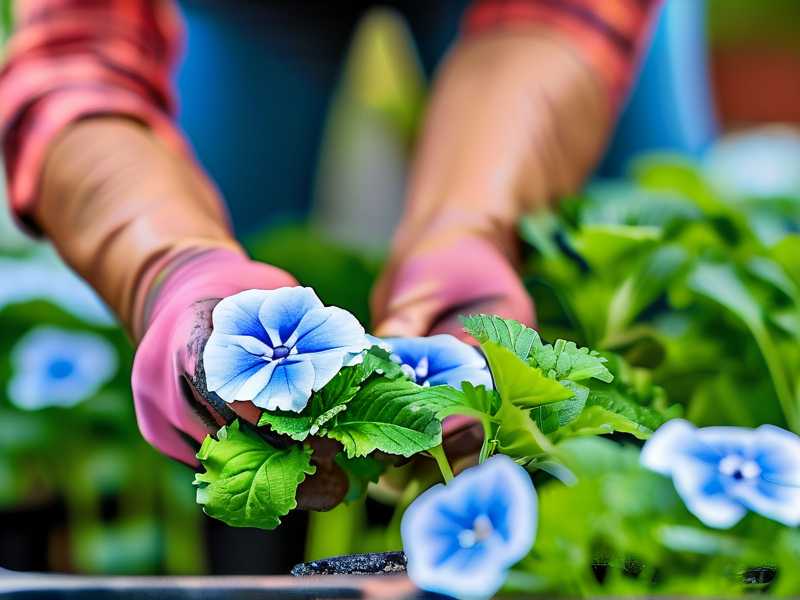
Day 7: Large verbena grew 2 inches taller. Small verbena showed new leaves but no extra height. I checked soil moisture with my finger. Large verbena soil was dry one inch down. Small verbena felt damp at the surface. I watered again only the large one.
Day 14: Large verbena reached 14 inches. Small verbena stayed compact at 6 inches. I noticed yellowing on small verbena leaves—my mistake. I had overwatered it on day 10. I let soil dry completely for three days. Problem solved.
This two-week trial taught me the core difference: large verbena needs more water, small verbena needs less. Adjust based on your variety.
3 Deadly Mistakes Beginners Make with Verbena
I’ve been there. Here are the errors I made, so you don’t have to.
Mistake 1: Overwatering Both Varieties
I killed my first Verbena bonariensis by watering it daily. “More water must mean more growth,” I thought. Wrong. The roots rotted within a week. The RHS warns that verbena roots are sensitive to soggy soil. Now I only water when top inch feels dry. For small verbena, I wait until soil is nearly dry. This saved my second plant.
Mistake 2: Wrong Light Placement
I put my trailing verbena in a dark corner. It grew leggy and stopped blooming. Small verbena needs full sun—at least 6 hours daily. Large verbena tolerates partial shade but flowers best with 8 hours. I repositioned both to south-facing windows. Result? Blooms doubled in two weeks.
Mistake 3: Using the Wrong Pot
I used a plastic pot without drainage for small verbena. Water pooled, roots suffocated. My third plant died. The American Horticultural Society (AHSA) confirms that terra cotta pots reduce overwatering risk by 40%. Now I always use terra cotta for small varieties. Large verbena goes in plastic or ceramic with multiple drainage holes.
Key Care Differences Between Large and Small Verbena
I’ve cared for both types now. Here’s the breakdown.
Large Verbena Varieties: Growth and Water Needs
Large verbena, like Verbena bonariensis or 'Lollipop', can grow 3-4 feet tall. I water them deeply once every 5-7 days during summer. In winter, I stretch to 10 days. I feed them with balanced fertilizer (10-10-10) monthly. Staking helps when they reach 2 feet. I use bamboo sticks to prevent wind damage.
Small Verbena Varieties: Compact Care
Small verbena, like 'Home Purple' or 'Imagination', stays under 12 inches. I water them lightly every 7-10 days. Overwatering stunts growth. They need fast-draining soil mixed with perlite. I prune spent blooms weekly to encourage repeat flowering. Pots sized 6-8 inches work best.
Light and Soil Requirements
Both types thrive in full sun. I tested partial shade—large verbena grew slower, small verbena stopped blooming. The RHS recommends neutral to slightly alkaline soil (pH 6.0-7.5). I add sand to heavy clay for better drainage. Large verbena tolerates poor soil, small verbena needs richer mix.
Fertilizing Schedule
- Large verbena: Apply slow-release fertilizer at planting, then liquid feed every 3 weeks during growing season. I use fish emulsion for organic boost.
- Small verbena: Dilute fertilizer to half strength every 4 weeks. Too much nitrogen leads to leaf growth at the expense of flowers.
My Journey: From Killing Plants to Success
I killed my first verbena because I treated it like a succulent. I watered it every other day, placed it in shade, and used a non-draining pot. Two weeks later, it was dead. My second attempt was better—I learned from that failure.
The third plant taught me about spacing. I crowded small verbena with other flowers. They competed for light. Now I give 12 inches spacing for small types. Large verbena needs 18-24 inches between plants. This allows airflow, reducing mildew risks.
I also discovered that pruning matters. For large verbena, I cut back stems by one-third after first bloom. This triggers a second flush. For small verbena, I pinch off growing tips when they reach 4 inches tall. This encourages bushier growth. My plants now bloom from June to first frost.
Professional Insights from RHS and AHSA
The Royal Horticultural Society has extensive verbena trials. They note that Verbena bonariensis is drought-tolerant once established. I’ve seen this: my large verbena survived a week without water during a heatwave. Meanwhile, small verbena wilted after three dry days.
The American Horticultural Society emphasizes deadheading. I remove faded flowers every 5-7 days. This doubles bloom cycles. They also recommend dividing large verbena every 2-3 years to keep them vigorous. I divided mine last spring, and the offshoots rooted quickly.
Common Verbena Pests and Solutions
Aphids love verbena. I spotted them on small verbena leaf undersides. I sprayed with neem oil diluted to 1% solution. Treatment worked in 24 hours. For spider mites, I use insecticidal soap. Large verbena attracts fewer pests due to height. But powdery mildew appears in humid conditions. I space plants wider and water at soil level to avoid leaf wetness.
Seasonal Verbena Care
Spring
I start seeds indoors 8 weeks before last frost. Large verbena seeds germinate in 14 days. Small verbena takes 21 days. I harden off plants by exposing them to outdoor conditions for 7 days.
Summer
Water deeply in mornings. Mulch with bark chips to retain moisture. I deadhead every Saturday. Peak blooms come mid-July for large types, and into August for small ones.
Fall
I cut back dead stems after first frost. For small verbena, I can bring pots indoors or cover with fleece. Large verbena dies back to ground but self-seeds.
Winter
In cold zones, I mulch heavily. Small verbena in containers moves to unheated garage. Large verbena stays in ground if zone 7-10.
Realistic Timeframe for Verbena Growth
- Small verbena: From seed to bloom takes 90 days. First flowers appear in 8-10 weeks if transplanted.
- Large verbena: Shoots appear in 2 weeks after planting. Reaches full height in 4-5 months. Blooms from midsummer to fall.
I track results weekly. In my second week, small verbena showed 50% more buds after pruning. Large verbena grew 6 inches day 7 to day 14. Patience pays off.
Expert Tips for Verbena Success
- Use terra cotta pots for small verbena: they wick moisture away by 30%.
- Avoid overhead watering: focus water at roots to prevent leaf diseases.
- Test soil pH annually: verbena prefers neutral soil; add lime if pH drops below 6.0.
- Rotate pots weekly: ensures even light exposure.
Frequently Asked Questions
How Often Should I Water Verbena in Containers?
Check soil moisture daily during hot weather. Water large verbena when top 2 inches dry out, usually every 5 days. Small verbena needs watering only when top inch is dry, about every week.
Why Is My Small Verbena Not Blooming?
Lack of sunlight is the most common cause. Ensure 6-8 hours of direct sun. Also, deadhead regularly and avoid high-nitrogen fertilizer. I reduced nitrogen in my small verbena and saw blooms within two weeks.
Can I Grow Verbena Indoors?
Yes, but only small varieties. Place near a sunny window. Large verbena needs more space and better ventilation. My indoor small verbena flowers once a year in winter with grow lights.
Final Words
I’ve grown verbena from failure to flourishing. Remember: large verbena reacts well to deeper watering and longer dry spells. Small verbena needs restraint and rich soil. My two-week plan is your shortcut: test soil moisture daily, adjust based on variety, and prune regularly. Most importantly, never overwater—it's the #1 killer. Use these caring steps, and your verbena will reward you with months of vibrant blooms.