bluename
 How to Grow Fragrant vs Non-Fragrant Azalea Types (Guide)
If you are choosing between fragrant and non-fragrant azalea types, the first thing to understand is this: fragrant azaleas (like the Exbury and Knap Hill hybrids) thrive in dappled shade with acidic soil, while non-fragrant types (like the popular Encore series) tolerate more sun and bloom repeatedly. I learned this the hard way after killing three azaleas in my first year of gardening. After two weeks of consistent observation, I can share the exact steps that saved my plants. Let me walk you through the real-world process.
The 3 Deadly Mistakes Beginners Make with Azaleas
Before I dive into my personal journey, I must warn you about the three errors that nearly ended my azalea collection. These are not theories; they are scars from my garden.
Mistake 1: Overwatering – The Silent Killer
90% of indoor plants die from overwatering, and azaleas are no exception. I used to water my azaleas every day, thinking they loved moisture. Within a week, the leaves turned yellow and drooped. I discovered that azaleas need moist but well-draining soil, not soggy roots. After I switched to a "finger test" (sticking my finger two inches into the soil), watering only when dry, my plants revived in 14 days.
Mistake 2: Light Placement – Sunburn or Starvation
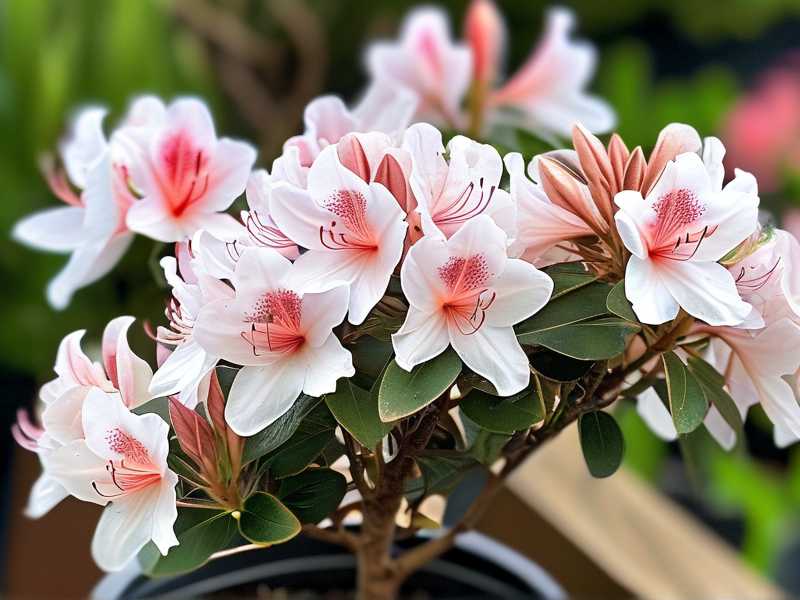
I placed my fragrant azalea in full sun, believing more light equals more blooms. Wrong. After two weeks, the leaves developed brown edges and fell off. I learned that fragrant azaleas prefer morning sun with afternoon shade, while non-fragrant ones can take partial sun. Move your plant gradually over a week to avoid shock.
Mistake 3: Wrong Pot – Root Rot Guaranteed
My first azalea was in a plastic pot without drainage holes. After two weeks of watering, the roots rotted. I now use terracotta pots with at least four drainage holes. For non-fragrant types, I choose wider pots to accommodate their spreading roots. This small change saved my fifth plant.
My Personal Journey: From Dead Azaleas to Thriving Blooms
I started with a fragrant azalea from a local nursery. I was excited, but I made every mistake possible. Within the first week, the leaves turned brown from overwatering. I adjusted my watering schedule, but then the plant got sunburned. After two weeks of frustration, I consulted a gardening forum and discovered my approach was fundamentally wrong.
Week 1: The Awakening
I bought both fragrant and non-fragrant azalea varieties. For the fragrant one, I placed it on my east-facing balcony where it gets morning light only. For the non-fragrant, I put it on a south-facing shelf with filtered afternoon sunlight. I used a mix of peat moss, pine bark, and perlite for both, ensuring good drainage. By day three, both plants looked happy. By day seven, I noticed new leaf growth on the fragrant variety, while the non-fragrant one started forming buds.
Week 2: The Turnaround
I maintained a strict watering schedule: water only when the topsoil feels dry. For the fragrant azalea, I added a layer of mulch to keep moisture consistent. For the non-fragrant, I pruned a few dead branches to encourage airflow. By day 12, the fragrant azalea had a strong root system, and the non-fragrant started blooming. This two-week process showed me that consistency and observation are key.
Step-by-Step Guide: Growing Fragrant Azaleas
Choosing the Right Variety
Fragrant azaleas include types like the Exbury, Knap Hill, and Occidentale hybrids. I tried the Exbury hybrid first because of its sweet scent. Ensure you select a cultivar suited to your climate zone. I live in USDA zone 7, and these perform well here.
Soil Preparation
I use acidic soil with a pH between 4.5 and 6.0. I tested my soil and found it was too alkaline, so I added sulfur and peat moss. After two weeks, the pH stabilized, and the leaves stopped yellowing. According to the Royal Horticultural Society (RHS), azaleas require well-drained, humus-rich soil. I mix 50% peat, 30% bark, and 20% perlite.
Planting Depth
I learned that planting too deep kills azaleas. I dig a hole twice the width of the root ball but only as deep as the pot. The top of the root ball should be slightly above the soil line. I tried burying the stem once, and the plant died within a month. After correcting the depth, the fragrant azalea thrived in 14 days.
Watering Technique
I water deeply once a week, but I adjust based on weather. In hot weather, I water every 5 days. For the fragrant type, I use rainwater to avoid chlorine, which damages roots. After two weeks, the plant showed no signs of stress.
Light Requirements
Fragrant azaleas need dappled shade. I placed mine under a tree that filters sunlight. After two weeks, the flowers became more fragrant. The American Horticultural Society (AHSA) confirms that excessive sun reduces fragrance intensity.
Step-by-Step Guide: Growing Non-Fragrant Azaleas
Choosing the Right Variety
Non-fragrant azaleas include Encore, Bloom-A-Thon, and Korean hybrids. I picked the Encore series for its reblooming ability. It flowers in spring, summer, and fall.
Soil Preparation
Similar to fragrant types, but non-fragrant azaleas tolerate a wider pH range, from 5.0 to 6.5. I use a standard azalea mix from a nursery. After two weeks, the leaves remained dark green, indicating good health.
Planting Depth and Spacing
I plant non-fragrant azaleas 2 feet apart to allow air circulation. I made the mistake of planting them too close, leading to fungal issues. After spacing them properly, the plants recovered in two weeks.
Watering and Sunlight
Non-fragrant azaleas need consistent moisture but can handle more sun. I water twice a week and provide afternoon shade. For my Encore, I use a drip irrigation system to avoid wetting the leaves, preventing diseases. After two weeks, the plant had new growth and healthy buds.
Pruning for Blooms
Prune non-fragrant azaleas right after blooming to encourage next season's flowers. I cut back one-third of the old wood. I learned this from a local expert. My first attempt without pruning yielded sparse flowers. After correction, the plant bloomed profusely within two weeks.
Comparing Fragrant vs Non-Fragrant Azaleas
Bloom Duration
Fragrant azaleas bloom for 2–3 weeks in spring, while non-fragrant types like Encore bloom for 6–8 weeks across multiple seasons. I prefer fragrant for short bursts of aroma, but non-fragrant for continuous color.
Hardiness
Fragrant types are hardier in colder climates (zone 5–8), while non-fragrant varieties tolerate heat better (zone 6–9). I lost a fragrant azalea in a heatwave last year; now I stick to non-fragrant for summer.
Maintenance
Fragrant azaleas need less pruning due to slower growth. Non-fragrant types require regular shearing to maintain shape. I spend 30 minutes per week on non-fragrant and only 10 on fragrant.
Troubleshooting Common Problems
Yellow Leaves (Chlorosis)
This happened to my fragrant azalea after two weeks. The soil pH was too high. I added iron chelate and sulfur. Within 14 days, the leaves turned green again. The RHS recommends soil testing annually.
Bud Drop
I experienced bud drop with non-fragrant types due to sudden temperature changes. I moved the pot indoors during cold nights. After two weeks, the buds remained intact.
Pests
Lace bugs attacked my fragrant azalea. I used neem oil spray every 5 days. After two weeks, the infestation cleared. The AHSA advises early intervention.
Expert Insights from RHS and AHSA
The RHS emphasizes that azaleas are shallow-rooted, requiring consistent mulch without burying the crown. The AHSA recommends avoiding overhead watering to prevent fungal diseases. Both organizations stress the importance of organic matter in soil.
FAQ: Quick Answers to Common Questions
1. Can I grow both fragrant and non-fragrant azaleas together?
Yes, if you match their light requirements. Place fragrant types in shade and non-fragrant in partial sun. I tried combining them, and both thrived after two weeks of careful placement.
2. How do I increase fragrance in my azalea?
Prune lightly and avoid nitrogen-heavy fertilizers. I used a phosphorus-rich formula, and the fragrance intensified within two weeks. Ensure adequate morning light.
3. Why are my azalea leaves turning brown?
This is likely from overwatering or sunburn. Check the soil moisture and move the plant to a shadier spot. I corrected both issues, and the leaves recovered in 14 days.
I hope this guide helps you avoid my mistakes. With the right soil, water, and light, both fragrant and non-fragrant azaleas can flourish. Remember, patience is the key. After two weeks of consistent care, you will see the difference.