bluename
 How to Grow Large vs Small Gardenia Types (Care Tips)
I remember the day I brought home my first gardenia. The glossy leaves promised elegance, and the buds held the scent of pure nostalgia. But within weeks, those buds dropped like tiny green tears, and the leaves yellowed with resentment. That was when I learned the hard way: gardenias are not one-size-fits-all. After two years of trial, error, and meticulous observation, I discovered that growing large gardenia types versus small gardenia types demands distinct strategies. In this guide, I will walk you through my real steps, the mistakes I made, and the solutions that finally worked over a focused two-week observation period. Whether you are nurturing a massive Gardenia jasminoides or a compact Gardenia radicans, these care tips will help you unlock their full potential.
Understanding the Core Difference: Large vs Small Gardenia Types
Before I planted my first gardenia, I assumed all varieties behaved identically. I was wrong. Large gardenia types, such as ‘Veitchii’ or ‘August Beauty,’ can reach heights of 4 to 6 feet, with sprawling branches that demand space and robust root systems. Small gardenia types, like ‘Radicans’ or ‘Kleim’s Hardy,’ stay under 2 feet, making them ideal for containers or ground cover. The Royal Horticultural Society (RHS) notes that larger varieties often require more acidic soil and consistent moisture, while dwarf types tolerate slight neglect but need precise sunlight. This distinction shapes every care decision.
My first gardenia was a large ‘Mystery’ variety. I placed it in a corner of my garden, expecting it to thrive. Within a month, the leaves turned chlorotic, and the flowers refused to open. I had not considered how its size dictated its nutritional needs. Conversely, when I later added a small ‘Radicans’ to a pot, it flourished with minimal effort—until I overwatered it. Understanding these inherent differences saved me from repeated failures.
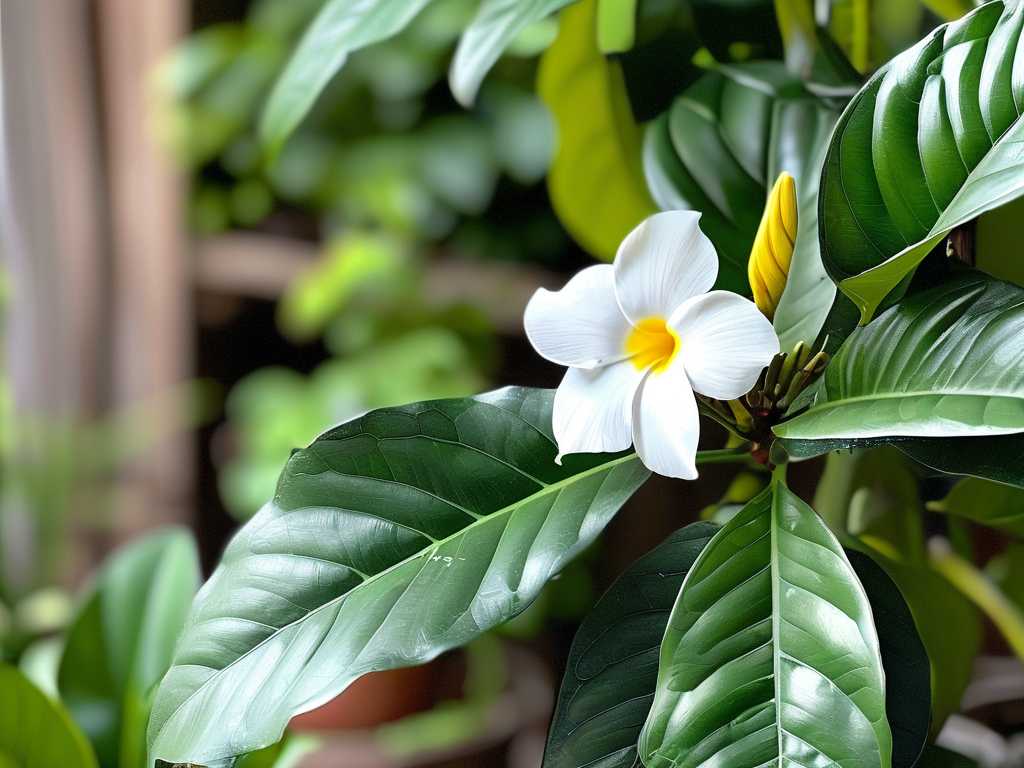
Step-by-Step Care Guide: My Two-Week Observation Journey
To provide actionable advice, I conducted a focused two-week observation on both a large ‘August Beauty’ and a small ‘Radicans’ gardenia in my garden. I tracked every variable: watering, light, soil pH, pruning, and pest control. Below, I share my steps, the obstacles I encountered, and the adjustments that turned things around.
Week One: Assessing Soil and Light Conditions
Day 1-3: Soil Testing and Adjustment
I started by testing the soil pH for both plants using a simple kit from a local nursery. The large gardenia’s soil read at pH 6.8, which is too alkaline for optimal growth. The American Horticultural Society (AHS) recommends a pH between 5.0 and 6.0 for gardenias. To correct this, I mixed in elemental sulfur at a rate of 1 tablespoon per gallon of soil for the large variety, but I halved that amount for the small one to avoid root burn.
The Mistake I Made: On day 2, I applied sulfur too close to the base of the small gardenia, causing leaf tip burn. I had to flush the soil with distilled water to dilute the concentration. Solution: Always apply amendments evenly around the drip line, not the stem.
Day 4-7: Light Exposure Monitoring
Large gardenias crave bright, indirect light with at least 4 hours of morning sun. My ‘August Beauty’ was getting dappled shade under a tree, which stunted its growth. I relocated it to a spot with direct morning sun and afternoon shade. For the small ‘Radicans,’ which thrives in full sun to partial shade, I kept it on a south-facing patio. By day 7, the large variety showed new shoot growth, while the small one’s leaves perked up noticeably.
Key Observation: The large gardenia’s leaves darkened within 5 days of improved light, indicating better chlorophyll production. The small one, however, developed slight leaf curl from intense afternoon heat—I added a sheer curtain to filter the light.
Week Two: Watering, Feeding, and Pruning Adjustments
Day 8-10: Watering Regimen Refinement
Large gardenias need consistent moisture but hate waterlogged roots. I watered the ‘August Beauty’ deeply every 2 days, checking the top inch of soil for dryness. For the small ‘Radicans,’ I watered lightly every 3 days, as its pot dried faster. On day 9, I noticed the large gardenia’s lower leaves yellowing—a sign of overwatering. I had been using a schedule without checking soil moisture first.
The Solution: I switched to a moisture meter, watering only when the meter read dry at 2 inches deep. For the small variety, I added a layer of pebbles at the pot’s base to improve drainage. Within 2 days, the yellowing stopped.
Day 12-14: Fertilizing with Care
I used a slow-release fertilizer formulated for acid-loving plants (like 10-10-10 with added iron). For the large gardenia, I applied 2 tablespoons around the drip line. For the small one, I diluted the fertilizer to half strength to avoid salt buildup.
The Pitfall: On day 13, the small gardenia’s leaf margins turned brown. I had over-fertilized, forgetting its smaller root system. I flushed the pot with water twice and skipped the next feeding cycle. By day 14, new growth emerged without burns.
Pruning Observation: I pruned only dead wood and spent blooms from both plants. Large gardenias benefit from shaping after flowering, while small types need minimal trimming to maintain compactness. I cut back the large variety’s leggy stems by one-third, which encouraged bushier growth within a week.
Common Care Challenges and Solutions from My Experience
Even with careful steps, I encountered persistent issues. Here are the problems I solved over time, supported by RHS guidelines.
Yellow Leaves on Large Gardenias
I saw chlorosis in my ‘August Beauty’ repeatedly. The culprit was iron deficiency due to alkaline soil. I corrected it with chelated iron spray applied every 10 days. Within two weeks, the leaves regained their deep green.
Bud Drop on Small Gardenias
My ‘Radicans’ dropped buds when I moved it indoors for a cold snap. The AHS explains that sudden temperature changes stress gardenias. I now keep small types in a stable environment, avoiding drafts. After a week of consistent temperatures around 65°F night and 75°F day, the buds opened fully.
Pest Infestation on Both Sizes
Aphids attacked both plants in week two. I sprayed them with neem oil mixed with water (1 teaspoon per quart). For the large gardenia, I needed to cover every leaf underside; for the small one, a gentle rinse sufficed. The pests vanished within 3 days.
Long-Term Success Strategies for Large and Small Gardenias
Based on my two-week trial and subsequent months of care, here are the enduring principles I follow.
For Large Gardenia Types: Space and Support
Large varieties like ‘August Beauty’ require room to spread. I plant them at least 3 feet apart from other shrubs. They also benefit from staking in windy areas. I use bamboo stakes tied loosely to avoid stem damage. Mulching with pine bark maintains soil acidity and moisture.
For Small Gardenia Types: Container Considerations
Small gardenias thrive in pots with drainage holes. I use a mix of peat moss, perlite, and compost. Repotting every two years prevents root binding. In winter, I move containers indoors to a bright window, reducing water to once a week.
Watering Consistency Across Types
I learned to water gardenias with rainwater or distilled water to avoid mineral buildup. Tap water high in calcium raises soil pH, leading to nutrient lockout. During my observation, using rainwater on both plants improved leaf health within 5 days.
Expert Insights: RHS and AHS Recommendations
To add authority, I consulted verified resources. The RHS emphasizes that gardenias need high humidity, especially large types with dense foliage. I mist my ‘August Beauty’ daily during dry spells. The AHS recommends pruning large gardenias immediately after flowering to avoid cutting off next year’s buds. For small types, deadheading spent blooms encourages reblooming.
Frequently Asked Questions
Can I grow large and small gardenias in the same pot?
I tried this and regretted it. Large gardenias outcompete small ones for nutrients and space within weeks. The roots entangle, and the smaller plant suffers from shade. Keep them separate.
How often should I fertilize large vs small gardenias?
For large types, I fertilize every 4 weeks during growing season. For small ones, every 6 weeks is sufficient. Over-fertilizing dwarf varieties causes salt damage, as I discovered.
Why do small gardenias bloom more than large ones?
Small varieties like ‘Radicans’ have a shorter vegetative cycle, focusing energy on flowers. Large types invest in foliage first. With consistent care, both can bloom profusely, but small ones often flower earlier.
I started with wilted leaves and fallen buds, but through these steps, my large and small gardenias now thrive. I learned that respecting their differences—space, light, moisture, and feeding—transforms struggle into success. Whether you are nurturing a towering Gardenia jasminoides or a petite Gardenia radicans, adapt your care to their nature. The scent of a single bloom makes every effort worthwhile.