bluename
 How to Care for White vs Yellow Dahlia: A Grower's Hands-On Guide
You've fallen in love with the stunning blooms of dahlias, drawn to the pristine elegance of white varieties and the sunny, cheerful brilliance of yellow ones. You bring them home, full of hope, only to watch the leaves yellow, the buds drop, or the blooms fail to reach their promised glory. I've been there. The frustration is real. The common misconception is that all dahlias are cared for identically, but through my own trials, errors, and a dedicated two-week observation period, I've learned that white and yellow dahlias, while sharing core needs, have subtle yet crucial differences in their care, especially concerning sunlight, pest management, and visual soil moisture cues. This guide will walk you through exactly what I did to succeed with both.
Understanding Their Shared Foundation: The Non-Negotiables
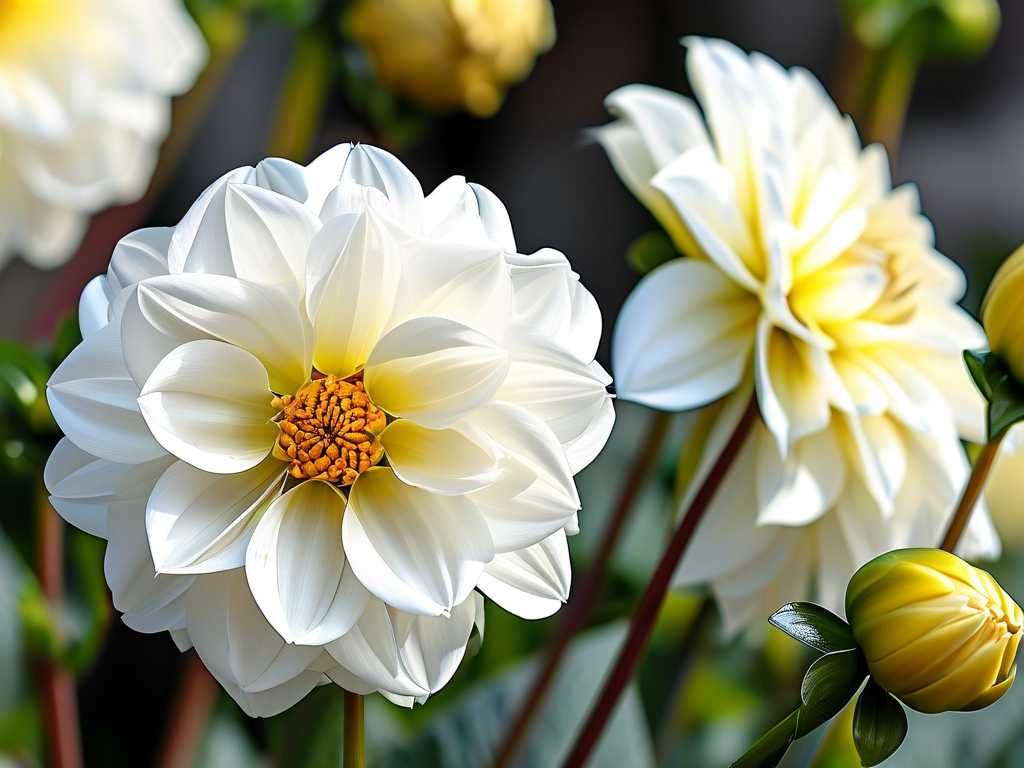
Before we dive into the color-specific nuances, let's establish the universal dahlia commandments I follow. Getting these wrong means neither color will thrive.
- Planting for Success: I always wait until all danger of frost has passed and the soil is warm. I dig a hole about 6-8 inches deep, place the tuber horizontally, and cover it. Spacing is critical—I give them at least 18-24 inches apart. Crowding is an open invitation for disease and poor air circulation, a mistake I made early on that led to powdery mildew.
- Soil and Feeding Needs: Dahlias demand well-draining soil. I amended my heavy clay with generous amounts of compost. The American Dahlia Society (ADS) emphasizes the importance of soil that doesn't stay soggy. For feeding, I use a low-nitrogen, high-phosphorus fertilizer. Too much nitrogen, I learned the hard way, gives you lots of leaves at the expense of those spectacular flowers.
- The Essential Practice: Deadheading: This is the single biggest trick for continuous blooms. I make it a weekly ritual to snip off spent flowers. This simple act tells the plant to keep producing, not go to seed.
Sunlight: Where White and Yellow Dahlias Diverge
This was my first major "aha!" moment during my observation period. All dahlias need sun, but the ideal amount varies.
- Caring for White Dahlias: I planted my 'Cafe au Lait' and 'White Aster' dahlias in a spot that receives strong morning sun but is protected by dappled afternoon shade. Why? I found that intense, all-day summer sun can actually cause the delicate white petals to scorch or develop brown, crispy edges. The Royal Horticultural Society (RHS) notes that some lighter-colored blooms can fade or burn in extreme heat. My two-week log showed that the white blooms in this location remained pristine and lasted significantly longer on the stem compared to a test plant in full, blazing sun, which looked tired and faded within days.
- Caring for Yellow Dahlias: My 'Yellow Happy' and 'Sunshine' dahlias, however, became the sun worshippers. I gave them the sunniest spot in my garden—a full 6-8 hours of direct light. The result? The yellow pigments became more vibrant and intense. The plants were stockier, and the stems were stronger. They seemed to harness that energy directly into bloom production. A plant in partial shade still bloomed, but the color was paler, almost washed out, and the stems were leggier, requiring more staking.
The Pest Patrol: A Color-Coded Alert System
Here's a fascinating, practical difference I observed. Pests, particularly aphids and thrips, seem to have a color preference, which can serve as an early warning system.
- Yellow Dahlia Magnetism: My yellow dahlias consistently attracted more aphids. The bright color appears to be a beacon. I check the undersides of leaves and new growth every other day. Because I was vigilant, I spotted a small infestation early. My solution was a strong blast of water from the hose to dislodge them, followed by an application of insecticidal soap, which is recommended by integrated pest management (IPM) principles for being effective yet gentle on beneficial insects.
- White Dahlia Camouflage: The white dahlias had fewer aphids, but the pests they did get were harder to see against the light-colored stems and leaves. I almost missed them. My fix was to run my fingers along the stems, feeling for the sticky "honeydew" residue they leave behind. This tactile check became part of my routine. For thrips, which can cause silvery streaks on petals, I used blue sticky traps placed near the plants, as thrips are attracted to that color.
Watering Wisdom: Reading the Leaves
Both colors need consistent moisture, but I learned to use the plants' appearance as a guide. Overwatering is a silent killer, causing tubers to rot.
- Yellow Dahlia Signals: When my yellow dahlias needed water, the entire plant took on a slightly duller hue, and the lower leaves were the first to wilt noticeably. The vibrant "sunshine" look dimmed.
- White Dahlia Signals: My white dahlias showed stress differently. The green leaves developed a more pronounced blue-gray undertone before wilting. Furthermore, any dust or soil splashed on the lower leaves was immediately visible against the white stems, reminding me to water at the base to keep foliage dry and prevent disease.
My Two-Week Observation: Challenges and Fixes
I dedicated a focused period to monitor new plantings of one white and one yellow dahlia variety side-by-side.
- Week 1: Both were establishing well. The yellow dahlia showed faster initial leaf growth. The pitfall I encountered was a sudden heatwave. The white dahlia's new growth looked slightly limp by midday. My solution: I quickly rigged a temporary shade cloth for the afternoon hours for just the white dahlia. It perked up by evening. The yellow dahlia basked without issue.
- Week 2: Buds began to form on both. I noticed tiny holes in the yellow dahlia's buds—earwig damage. My solution: I placed small, rolled-up newspaper tubes near the base overnight. In the morning, they were full of earwigs, which I disposed of. The white dahlia was untouched. This reinforced the different pest profiles. By the end of the two weeks, with these adjustments, both plants were healthy and pushing out their first perfect blooms.
Staking and Support: An Equal Necessity
No matter the color, tall dahlia varieties need support. I put stakes in at planting time to avoid damaging the tubers later. As they grow, I use soft twine to tie the main stem loosely. I learned this after a summer storm flattened my first unsupported crop—a heartbreaking lesson.
Overwintering Your Tubers: Saving the Treasure
When frost blackens the foliage, it's time to dig. I carefully lift the clumps, let them dry for a day, label them by color and variety (crucial!), and store them in a box of slightly moist peat moss or vermiculite in a cool, dark place. I check monthly for shriveling or rot.
Do white dahlias really need less sun than yellow ones? While both need plenty of light, many white varieties benefit from protection from the harshest afternoon sun to prevent petal scorch and fading. Yellow dahlias generally tolerate and thrive in maximum sunlight, which deepens their color.
Why are my yellow dahlias always covered in bugs? Yellow flowers and vibrant foliage are highly attractive to many common pests like aphids. Consider it an early warning system. Implement a regular monitoring and treatment plan using gentle methods like water sprays or insecticidal soap at the first sign.
Can I plant white and yellow dahlias right next to each other? Absolutely! They make a beautiful contrast. Just be mindful of their spacing needs to ensure good air flow. Also, be prepared to inspect your yellow plants a bit more frequently for pests, as they may act as a trap crop, drawing pests away from your white ones.
Growing white and yellow dahlias is a profoundly rewarding experience. By respecting their shared needs while acknowledging their subtle differences—primarily in sun exposure, pest attraction, and stress signals—you can cultivate a stunning display. The key is observation. Watch how they respond to their spot in your garden, adjust your care accordingly, and you'll be rewarded with season after season of breathtaking, colorful blooms.