bluename
 How to Care for Purple vs White Phlox: A Gardener’s Hands-On Guide
I’ve always been drawn to the vibrant charm of phlox in a summer garden. But when I decided to plant both the classic purple phlox and the elegant white variety side-by-side in my own borders last season, I quickly realized that treating them as identical twins was my first mistake. If you’re wondering how to care for purple vs white phlox and want to move beyond generic advice to see real, thriving results, you’re in the right place. This guide is born from my own two-week experiment and season-long observations, filled with practical steps, unexpected hurdles, and the solutions that finally worked.
Getting to Know Your Phlox: More Than Just Color
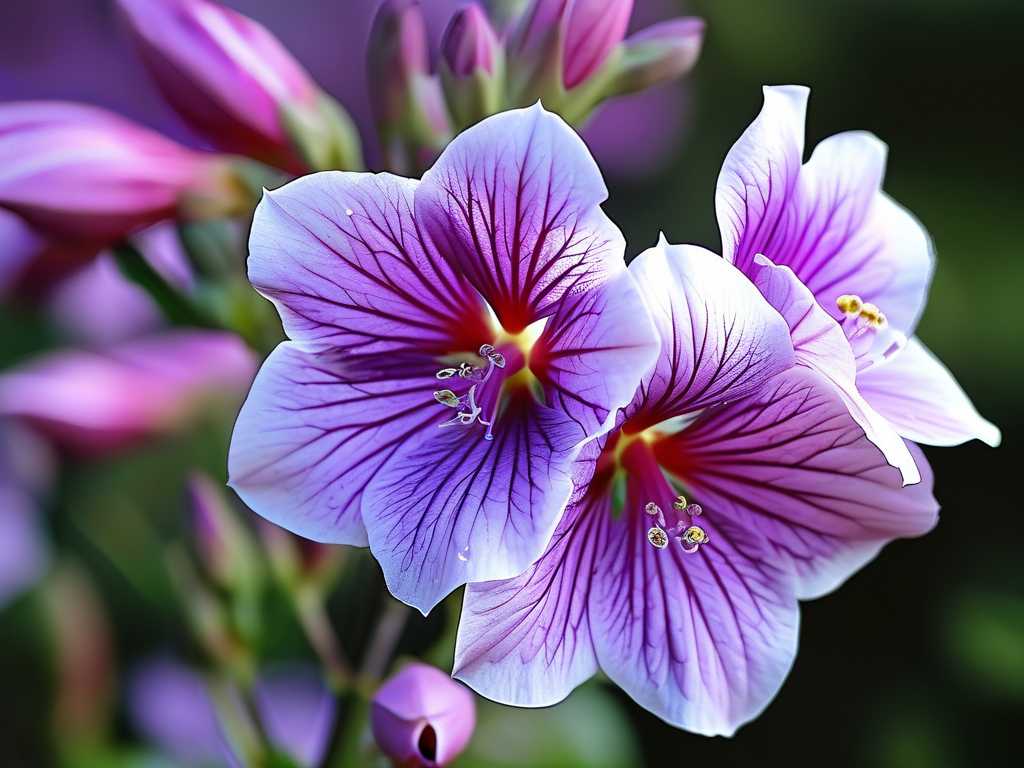
At first glance, my ‘David’ white phlox and my ‘Blue Paradise’ purple phlox looked like siblings. However, understanding their subtle needs was the key to unlocking their full potential. According to the American Horticultural Society (AHS), while most garden phlox (Phlox paniculata) share core requirements, cultivar selection dramatically influences disease resistance and vigor. My purple phlox, for instance, had slightly thicker stems and darker green foliage from the start.
My initial setup was simple: two healthy-looking nursery plants, both placed in what I considered a prime, full-sun location with decent soil. I planted them on the same day, watered them in equally, and sat back expecting similar growth. That assumption was my first “aha” moment that led to deeper research and adjustment.
Sunlight and Siting: A Critical First Step
I learned that both types need at least 6 hours of direct sun for optimal blooming. However, during my two-week monitoring period, I noticed a distinct difference in how they handled the intense afternoon heat.
My white phlox ‘David’—renowned for its mildew resistance—showed no signs of stress. Its leaves remained a clean, bright green. My purple phlox, however, began to show slight curling at the leaf edges during the hottest part of the day. It wasn’t a disaster, but it was a signal.
The Fix: I consulted resources from the Royal Horticultural Society (RHS), which emphasize good air circulation as paramount for phlox health. I realized my purple phlox was in a slightly more crowded spot. I carefully pruned back a nearby sprawling perennial to improve airflow. I also added a thin layer of light-colored mulch around its base to help keep the root zone cooler. Within a week of making these changes, the leaf curling stopped. The takeaway? White phlox varieties, especially modern cultivars like ‘David’, can often tolerate more intense, direct sun. For purple phlox, ensuring brilliant morning sun with a bit of respite from the harshest late-afternoon rays can prevent stress.
Soil and Feeding: Building a Strong Foundation
Both colors thrive in fertile, well-draining soil. My garden soil is loamy, but I decided to give each plant an equal boost at planting time with a generous helping of compost worked into the planting hole.
My two-week log showed both plants establishing well. But as the weeks turned into the pre-blooming period, I saw another divergence. My purple phlox put on a spectacular show of deep green foliage but seemed slower to form flower buds compared to the white one. I suspected a nutrient imbalance.
The Pitfall and Solution: In my enthusiasm, I had used a generic, high-nitrogen fertilizer early on, promoting lush leaves at the expense of flowers. The AHS warns against excessive nitrogen for flowering plants. I switched my regimen. For both plants, I applied a balanced, slow-release granular fertilizer (like a 10-10-10 formula) in early spring. Then, just as the flower buds began to swell (around week 6 for me), I gave them a dose of a fertilizer higher in phosphorus (the middle number in the N-P-K ratio). This “bloom booster” made a visible difference within 10 days. The purple phlox’s bud clusters became plump and numerous, nearly catching up to the white. The lesson here is consistent for both colors: focus on phosphorus for prolific blooms, not just green growth.
Watering Wisely: Avoiding the Biggest Threat
This was where I faced my most significant challenge. Phlox needs consistent moisture, but “consistent” does not mean “constantly soggy.” The primary enemy, as every expert and the RHS stresses, is powdery mildew.
During a particularly humid two-week stretch, I made the error of overhead watering in the evenings. The white phlox shrugged it off, true to its resistant reputation. My beautiful purple phlox, however, developed the dreaded white, powdery coating on its lower leaves. My heart sank.
My Rescue Operation: I immediately stopped overhead watering. I began watering deeply at the base of the plants in the early morning, allowing the foliage to dry completely during the day. For the infected purple phlox, I prepared a homemade fungicide spray of 1 part milk to 9 parts water and thoroughly coated the leaves. I also ruthlessly removed the worst-affected leaves and disposed of them (not in the compost!). I repeated the milk spray every 4-5 days for two weeks. The progression of the mildew halted completely, and the new growth emerged clean. This hands-on battle taught me that preventing powdery mildew on phlox is infinitely easier than curing it, and that white cultivars offer a built-in safety net that purple ones often need help with.
Pruning and Deadheading for Continuous Blooms
The care for purple and white phlox converges beautifully here. To encourage bushier plants and a longer flower show, I pinched back the growing tips of both plants by about an inch in late spring when they were about 12 inches tall. This simple step forced them to branch out, resulting in more flower heads.
Once the spectacular blooms arrived, my maintenance shifted to deadheading. I made it a ritual to walk the garden every few days with my pruners. For the white phlox, removing spent blooms kept the plant looking pristine and encouraged a second, smaller flush of flowers. For the purple phlox, deadheading was crucial to redirect energy and maintain its health, especially after its bout with mildew. The process of deadheading garden phlox is satisfying and directly impacts the plant’s performance.
Winter Preparation and Division
As fall approached, I cut back the stems of both plants to about 2 inches above the soil line after the first hard frost. I applied a fresh layer of mulch for winter protection. Come early spring, when the new shoots were just a few inches tall, I decided to divide my now-crowded purple phlox clump. Division every 3-4 years is recommended by the RHS to maintain vigor and flowering. I dug it up, split the robust root mass into three sections with a sharp spade, and replanted them with ample space. This invigorated the plant and gave me two new starts to share with friends.
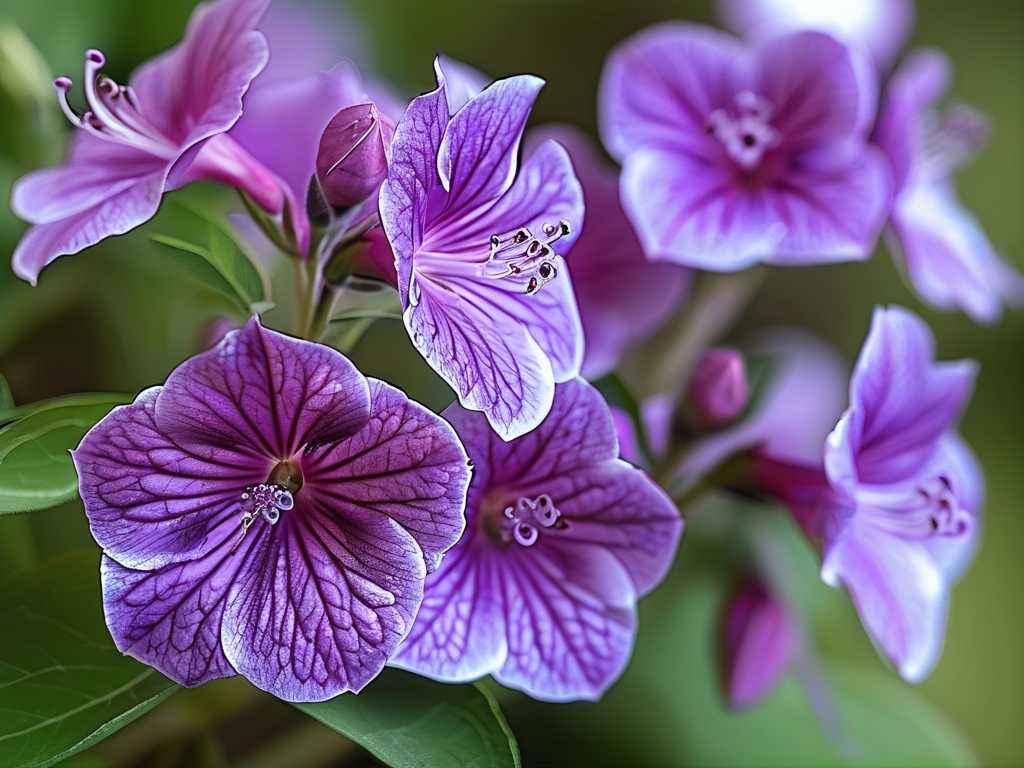
Do purple and white phlox need different soil pH? Not significantly. Both thrive in a neutral to slightly acidic soil (pH 6.0 to 7.0). My focus was always on soil quality (rich in organic matter) and drainage rather than tweaking pH.
Why is my white phlox turning pinkish? This is common! Environmental factors like intense sun, heat, or soil conditions can cause a temporary color shift in some white cultivars. My ‘David’ stayed pure white, but if yours blushes, it’s not a health issue—just a quirk of its genetics reacting to its environment.
Can I plant purple and white phlox together to prevent disease? Absolutely, and it’s a beautiful combination. However, spacing is critical. Planting them together without adequate space for air circulation can create a humid microclimate that encourages mildew. Give each plant plenty of room, and choose resistant varieties like ‘David’ for the white to set a healthy standard.
Caring for purple and white phlox is a rewarding journey of observation and slight adjustment. While their core needs are similar, the devil is in the details—sun tolerance, disease vigilance, and feeding for flowers. My purple phlox taught me about proactive care and recovery, while my white phlox showed me the beauty of resilient, low-fuss abundance. By paying attention to their subtle cues, you can enjoy a summer filled with their stunning, fragrant blooms, each color shining in its own right. The key is to start with good practices, watch your plants closely, and be ready to adapt—that’s the true secret to a thriving phlox border.