bluename
 How to Care for White vs Purple Orchid: A 2-Week Hands-On Guide
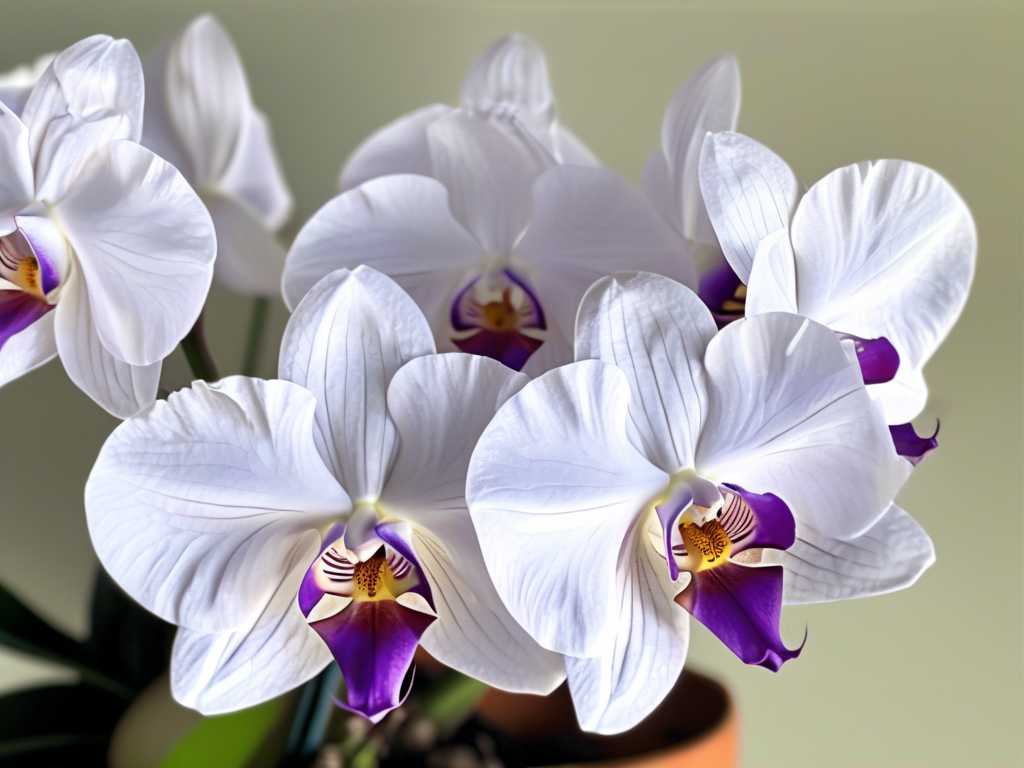
I’ve always been mesmerized by the elegance of orchids, but when I brought home a pristine white Phalaenopsis and a vibrant purple Dendrobium, I quickly realized their care wasn’t one-size-fits-all. The common pain point for many enthusiasts like us is assuming all orchids thrive under identical conditions, leading to drooping leaves, absent blooms, or worse, root rot. After a dedicated two-week experiment observing these two beauties side-by-side, I’ve pinpointed the crucial differences in their care routines. This guide will walk you through exactly how to care for white and purple orchids, based on my real-world trials, errors, and successes.
Understanding Their Core Personalities
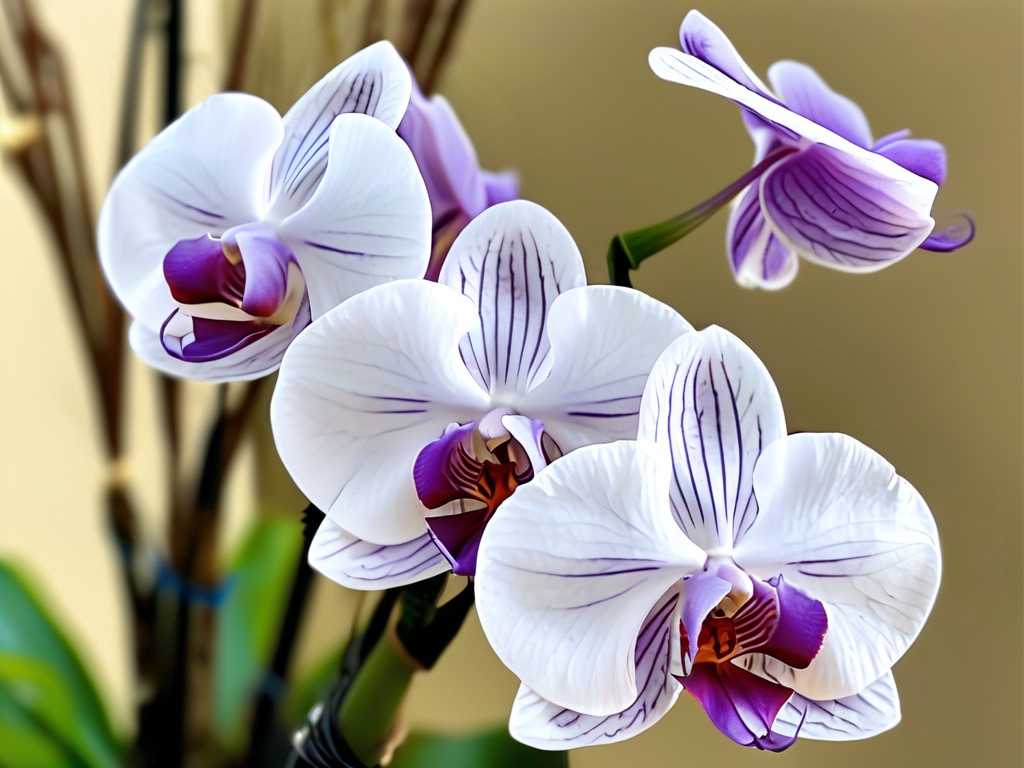
Before we dive into watering cans and fertilizer, it’s essential to understand their inherent needs. My white Phalaenopsis, with its broad, fleshy leaves and aerial roots, is an epiphyte—it naturally clings to trees in humid forests. It craves consistent, gentle moisture and bright, indirect light. My purple Dendrobium, particularly a nobile type, has thinner canes and a more pronounced growth cycle. It experiences a distinct dormancy period and can handle slightly brighter light and more variation in its watering schedule. Recognizing this fundamental difference was my first step toward tailored care.
Week 1: Setting Up the Right Environment
Lighting: The Foundation of Color and Health
Light is where their needs first diverged dramatically. I placed both orchids on an east-facing windowsill with sheer curtains.
- For the White Orchid (Phalaenopsis): This spot provided the perfect bright, filtered light. Its leaves maintained a healthy olive-green color. In the first week, I noticed it slowly orienting its leaves toward the light source. A mistake I made initially was trying a south-facing window; within two days, the leaf tips showed slight yellowing—a clear sign of too much direct sun. I immediately moved it back.
- For the Purple Orchid (Dendrobium): The same east-facing light was good, but I learned it could tolerate more. According to the American Orchid Society (AOS), many purple Dendrobiums benefit from higher light levels to promote robust blooming and deepen color intensity. In week two, I experimented by moving it to a spot with a few hours of gentle morning sun. The canes responded well, becoming firmer and showing no signs of scorch.
Watering and Humidity: A Delicate Balance
This was the trickiest part and where I faced my biggest “pitfall.”
- The White Orchid’s Routine: I watered my Phalaenopsis using the soak-and-dry method. I placed its clear plastic pot (with drainage holes) in a sink of lukewarm water for 15 minutes once the roots appeared silvery-green and the potting mix felt dry. This happened about once every 7-10 days. The aerial roots gave me a perfect health indicator.
- The Purple Orchid’s Cycle: My Dendrobium required a different approach. During its active growth phase (producing new canes and leaves), it needed regular watering similar to the Phalaenopsis. However, I read from Royal Horticultural Society (RHS) guidance that upon maturity, many nobile types need a winter rest period with reduced water to initiate flower spikes. I didn’t adjust for this initially.
- The Pitfall & Solution: In the second week, I noticed the base of one older Dendrobium cane starting to wrinkle slightly, while the new growth was plump. I was watering them on the same schedule, which was wrong for the Dendrobium’s stage. I corrected course: for the mature cane, I reduced watering to a light misting of the potting mix every two weeks, while ensuring the new growths still received adequate moisture. This targeted approach resolved the wrinkling.
Week 2: Feeding and Root Health Observations
Fertilizing for Growth and Bloom
“Weekly, weakly” is the orchid feeding mantra. I used a balanced, water-soluble orchid fertilizer (20-20-20) at quarter-strength.
- For the White Orchid: I fertilized with every other watering during my observation. This consistent, mild feeding supports its nearly year-round potential for leaf and root growth.
- For the Purple Orchid: Feeding needs alignment with its water cycle. I fertilized regularly while watering the new growths but completely withheld fertilizer from the mature, resting cane. This differentiation is crucial to encourage blooming, not just leaf growth.
Potting Medium and Root Check
Since I didn’t repot during this short observation (it’s best done after blooming), I focused on root health through the clear pots.
- White Orchid Roots: Thick, green when wet, silvery when dry. They were actively growing, with bright green tips visible—a sign of happiness.
- Purple Orchid Roots: Thinner and more numerous. The roots in the actively watered section were plump and white, while those in the drier section were resting. This visual confirmation validated my adjusted watering strategy.
Troubleshooting Common Issues
Midway through week two, I spotted a potential issue: sticky residue on a few leaves of the white orchid. This signaled the presence of honeydew, likely from pests. Instead of panicking, I inspected and found a small scale insect cluster. My solution was immediate isolation and treatment with a cotton swab dipped in isopropyl alcohol. Daily checks for the rest of the week ensured it didn’t spread. Vigilance is non-negotiable.
Key Takeaways for Long-Term Success
The core principle is this: White Phalaenopsis orchids generally desire consistency—stable moisture, indirect light, and steady, mild feeding. Purple Dendrobium orchids often thrive on a cycle—periods of abundant water and food followed by a drier, cooler rest to trigger spectacular floral displays. My two-week journey taught me to observe more and assume less. The plants communicate their needs through leaf texture, root color, and cane firmness.
Frequently Asked Questions
My purple orchid’s leaves are turning yellow. Is this normal? It depends. For Dendrobiums, it’s normal for older leaves to yellow and drop from the base of mature canes, especially after blooming or entering a rest period. However, if new growth or multiple leaves are yellowing rapidly, check for overwatering or insufficient light.
Can I use ice cubes to water my white orchid like the store tag suggests? I strongly advise against it. While marketed as simple, the AOS and RHS warn that ice cubes can shock the tropical roots, leading to cold damage and inefficient watering. The soak-and-dry method with tepid water is far safer and more effective for proper orchid care.
Why is my white orchid not re-blooming? The most common reasons are insufficient light and lack of a temperature drop. Phalaenopsis often need a 10-15°F nighttime temperature drop for several weeks to initiate a new flower spike. Ensure it’s in a bright enough location and try moving it to a slightly cooler room at night for a month. Patience and the right environmental trigger are key for orchid flower care.