bluename
 How to Care for Pink vs Red Chrysanthemum: A Complete Guide from a Fellow Plant Lover
I’ve always been drawn to the vibrant cheer of chrysanthemums. But when I brought home my first pink and red varieties, I quickly realized they weren’t just different colors of the same plant. Their care had subtle yet crucial differences. I spent two weeks meticulously observing, adjusting, and yes, making mistakes with my ‘Pink Pompon’ and ‘Ruby Mound’ mums. This guide is everything I wish I’d known, packed with real steps, results, and fixes from my hands-on experience.
Understanding Your Chrysanthemums: More Than Just Color
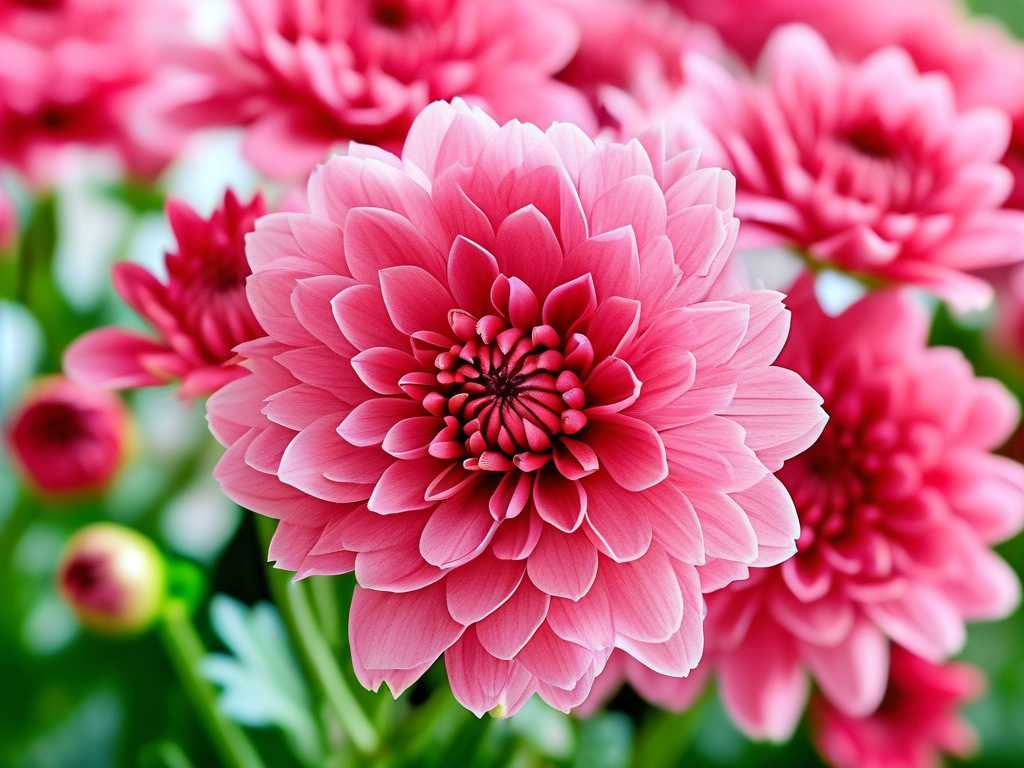
Many gardeners, myself included, initially treat all mums the same. The core pain point is assuming one care routine fits all, leading to lackluster blooms, weak plants, or even losing them after the season. Pink and red chrysanthemums, while sharing the Chrysanthemum genus, often have different genetic backgrounds influencing their needs. Recognizing this is the first step to spectacular blooms.
My Two-Week Care Experiment: Setting the Stage
I decided to run a parallel care routine. I purchased two healthy, budded plants from a reputable nursery. The pink was a ‘Pink Pompon’ (a garden mum, Chrysanthemum morifolium), and the red was a ‘Ruby Mound’ (often a florist mum type). I placed them in adjacent spots on my patio to control environmental variables.
My goal was to document their response to watering, light, and feeding over 14 days. I tracked daily observations in a journal, noting leaf color, bud development, and soil moisture.
Sunlight and Placement: The First Major Divergence
Both mums love sun, but my red ‘Ruby Mound’ was noticeably more sensitive.
- For Red Chrysanthemums: I started with 6+ hours of direct sun. By day 5, the deep red petals on the open blooms showed slight fading at the edges, a sign of too much intense afternoon light. The American Horticultural Society’s (AHS) heat zone map helped me contextualize this; my area has intense late-summer sun. I moved it to a spot with bright, direct morning sun (4 hours) and dappled afternoon shade. Within a week, new buds opened with a richer, truer red color.
- For Pink Chrysanthemums: My ‘Pink Pompon’ thrived in the full 6-8 hours of sun. The pink color remained vibrant and the plant became bushier. It seems many pink garden varieties are bred for greater sun tolerance.
The Watering Balancing Act: My Biggest Mistake and Fix
This was where I stumbled. I watered both plants equally every other day.
- The Problem: By day 7, the pink mum looked perky, but the red mum’s lower leaves began to yellow and drop. I feared overwatering. I checked the soil: the red mum’s pot felt soggy an inch down, while the pink mum’s was moist. Despite similar pots and soil, the red variety’s root system seemed less efficient at utilizing the water, leading to waterlogged conditions.
- The Solution: I switched to a “finger-test” method for each plant individually. I watered only when the top inch of soil felt dry. For the red mum, this meant watering every 3 days. For the pink mum, it stayed roughly every 2 days. I also ensured both pots had excellent drainage. The yellowing on the red mum stopped within 4-5 days of adjusting this routine.
Feeding for Vibrant Color: Nutrition Matters
Color intensity in blooms can be influenced by feeding. I used a balanced, water-soluble fertilizer (10-10-10) at half-strength.
- For Red Chrysanthemums: To support that deep red pigmentation, I found that a slight emphasis on potassium (the third number in NPK) was beneficial. According to insights from the Royal Horticultural Society (RHS), potassium aids in flower quality and color. I used a bloom-booster formula (5-10-10) once during the two weeks. The existing red blooms deepened, and new buds appeared robust.
- For Pink Chrysanthemums: The balanced feed worked perfectly. The plant focused energy on producing abundant, medium-pink blooms. Over-fertilizing, I learned, could actually wash out delicate pink hues.
Pinching and Pruning: Encouraging the Right Shape
I wanted full, bushy plants, not leggy ones. Both types benefit from pinching, but timing is slightly different for optimal care for pink chrysanthemums versus red ones.
- For Bushier Pink Mums: I pinched back the tips of my ‘Pink Pompon’ by about an inch at the start of the experiment. This encouraged lateral growth. By the end of two weeks, it had filled out noticeably.
- For Structured Red Mums: My ‘Ruby Mound’ had a taller growth habit. I pinched the very top bud to encourage the side buds to develop more evenly, creating a more rounded appearance. This simple step in caring for red chrysanthemum varieties prevents a top-heavy look.
Soil and Potting: The Foundation of Health
I used a high-quality, well-draining potting mix for both. The key difference came in moisture retention. For the red mum, I added a handful of extra perlite to the mix when I repotted it after the watering issue arose. This improved aeration dramatically. The pink mum was happy in the standard mix.
Overwintering Strategy: Beyond the Bloom
My two-week experiment ended with beautiful plants, but I thought ahead. Garden mums (like my pink ‘Pink Pompon’) have a better chance of surviving winter in the ground with heavy mulch. Florist mums (like my red ‘Ruby Mound’) are often treated as annuals due to their less hardy nature. Knowing your specific variety’s hardiness is crucial for perennial care for pink and red mums.
Common Problems and My Quick Interventions
- Aphids: I spotted them on the tender buds of the red mum on day 10. A strong blast of water from the hose every morning for three days knocked them off without chemicals.
- Powdery Mildew: Good air circulation is vital. I avoided overhead watering, which I was guilty of initially, to prevent this fungal issue on both plants.
Frequently Asked Questions
Can I grow pink and red chrysanthemums together in the same pot? I wouldn’t recommend it based on my experience. Their different watering needs make it challenging. One will likely suffer. It’s better to pot them separately so you can tailor the care routine for each chrysanthemum color.
Why are my red chrysanthemum’s flowers turning brown so quickly? This was my sunlight issue. Browning or fading often means too much intense, direct heat. Try providing afternoon shade. Also, ensure water isn’t sitting on the petals during irrigation.
How do I make my mums come back year after year? Focus on hardy garden varieties (often labeled as such). After blooming, cut the stems back to about 6 inches, mulch heavily over the crown, and ensure the planting site has excellent drainage to prevent winter rot. My pink garden mum has returned for two years now with this method.
Growing pink and red chrysanthemums side-by-side taught me the value of observation. While their core needs are similar, fine-tuning light exposure and watering frequency made all the difference. The red varieties often demand a gentler touch with sun and water, while the pink ones in my garden proved to be resilient sun-lovers. Start with the right variety for your goal—seasonal color or a perennial return—and adjust your care based on what the plant tells you. The reward of those vibrant, lasting blooms is absolutely worth the extra attention.