bluename
 How to Differentiate 2 Major Petunia Types? A Gardener's Hands-On Guide
I've lost count of the times I've stood in the garden center, staring at racks of vibrant petunias, feeling utterly confused. Are these the sprawling, ground-covering type or the upright, mounding kind? The labels can be vague, and choosing the wrong one has led to more than one disappointing season in my own garden. If you've ever wondered how to differentiate petunia types for real, practical success, you're in the right place. I'm not a botanist in a lab coat; I'm a hands-on plant enthusiast who has grown, failed with, and finally mastered telling these beautiful plants apart. Over the next sections, I'll walk you through the clear, visual and growth-based differences between the two major categories: Grandiflora and Multiflora petunias. My goal is to save you the frustration and help you pick the perfect petunia for your specific pots, baskets, or beds.
The Great Petunia Divide: It's All in the Bloom and Form
Before we get our hands dirty, let's set the stage. The primary way to tell petunias apart boils down to two key characteristics: flower size and plant habit. For years, I thought more flowers automatically meant a better show. I was wrong. Choosing based on your specific garden goal is everything.
Grandiflora Petunias: The Dramatic Showstoppers
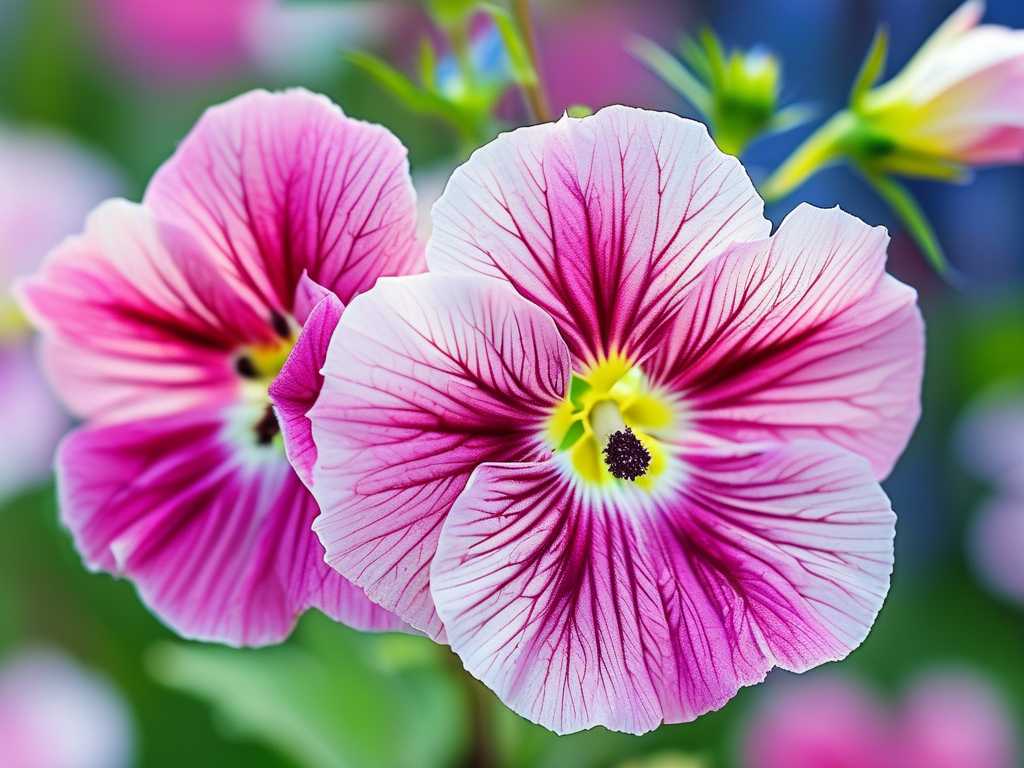
These are the divas of the petunia world. I remember planting my first 'Supertunia Vista Bubblegum' (a popular Grandiflora type) in a large container, expecting a gentle cascade. What I got was an explosion of massive, 4-inch wide blooms that stopped neighbors in their tracks.
- Flower Size: This is their signature. Grandiflora blooms are huge, often 3 to 5 inches in diameter. They are frequently frilly, doubled, or veined with stunning patterns. They look like delicate crepe paper.
- Plant Habit: They tend to have a more upright, mounding growth habit initially, though many modern varieties (like the 'Supertunia' series) have been bred for excellent trailing ability. The energy here is focused on producing fewer, but spectacularly large, flowers.
- The Key Trade-off: That breathtaking size comes with a sensitivity to wet weather. Heavy rain or overhead watering can batter those large, delicate petals into a mushy, sad mess. I learned this the hard way during a sudden summer downpour.
Multiflora Petunias: The Resilient Crowd-Pleasers
If Grandifloras are divas, Multifloras are the hardy troopers. After my rain-disaster season, I switched to testing 'Celebrity Chiffon' Multifloras. The difference was night and day.
- Flower Size: Their blooms are significantly smaller, typically 1 to 2 inches across. They are simpler in form, usually single-petaled, but what they lack in individual size, they more than make up for in quantity.
- Plant Habit: These plants are prolific. They form dense, bushy, and trailing mounds absolutely smothered in flowers. The energy is distributed across creating a massive number of blooms.
- Their Superpower: Resilience. Those smaller, sturdier flowers laugh in the face of rain and wind. They bounce back quickly and continue blooming relentlessly. According to research from the American Horticultural Society (AHS), Multiflora petunias are consistently noted for their superior weather tolerance and lower maintenance needs, making them ideal for beginner gardeners or areas with unpredictable summers.
My 2-Week Side-by-Side Growth Test
Theory is one thing, but seeing is believing. Last spring, I decided to run a direct comparison. I planted a Grandiflora ('Wave Purple') and a Multiflora ('Carpet Star Bright Mix') in identical 14-inch pots with the same premium potting mix and slow-release fertilizer. I placed them side-by-side on my sunny patio and tracked their progress.
Week 1: Establishment Both looked similar after planting—small green seedlings. I watered them in thoroughly and applied a diluted liquid fertilizer to encourage root growth.
Days 3-7: First Signs of Difference The Multiflora 'Carpet Star' began to show its true nature. I noticed multiple tiny flower buds forming at almost every leaf node. The plant itself started to look bushier. The Grandiflora 'Wave' focused on vegetative growth, stretching its stems and producing larger, fleshier leaves. Fewer buds were visible, but the ones that were there were noticeably larger in size.
Week 2: The Divergence Becomes Clear By the end of the second week, the difference between petunia varieties was unmistakable. The Multiflora pot was a solid mound of green, peppered with dozens of small, open stars of color. It created a full, colorful display already. The Grandiflora pot had longer, more graceful trailing stems with several large, majestic purple blooms that truly commanded attention. However, a brief, windy afternoon caused one of the large Grandiflora blooms to tear at the edge—a minor injury the Multiflora plants didn't suffer.
The "Aha!" Moment: This test cemented it for me. If you want immediate, blanket color coverage and a "no-fuss" plant, go Multiflora. If you're willing to provide a bit more shelter (like under a roof eave) and want dramatic, individual floral statements, Grandiflora is your pick.
Common Pitfalls I've Encountered (And How to Fix Them)
My journey wasn't all perfect blooms. Here are the mistakes I made so you don't have to.
-
Pitfall: Planting a Spreading Grandiflora in a Small Pot. I once put a vigorous 'Wave' petunia (a spreading Grandiflora) in a modest 10-inch pot. By mid-summer, it was root-bound, drying out daily, and its flowering slowed. It became a high-maintenance chore.
- Solution: Match the plant to the space. For large, trailing types (of any class), use big containers or give them room in landscape beds. Multifloras are often more forgiving in smaller pots due to their bushier, less vining habit.
-
Pitfall: Overhead Watering in Humid Climates. As mentioned, I turned my Grandiflora blooms into soggy pulp with a sprinkler. In humid conditions, this can also promote botrytis (gray mold).
- Solution: Water at the base of the plant, directly onto the soil. Soaker hoses or drip irrigation are ideal. If you must water from above, do it in the morning so the sun can dry the petals quickly.
-
Pitfall: Assuming "Deadheading" is the Same for All. I used to painstakingly pinch off every single spent bloom. For Multifloras with hundreds of flowers, this is an impossible task.
- Solution: For Multifloras, don't deadhead individually. Instead, give the whole plant a light "haircut" or shear it back by one-third every few weeks. This removes spent blooms en masse and encourages a fresh flush of growth and flowers. For Grandifloras, removing the large, slimy spent blooms is more practical and keeps the plant tidy.
Making the Right Choice for Your Garden
So, which type of petunia is best for you? Let's break it down by your goal.
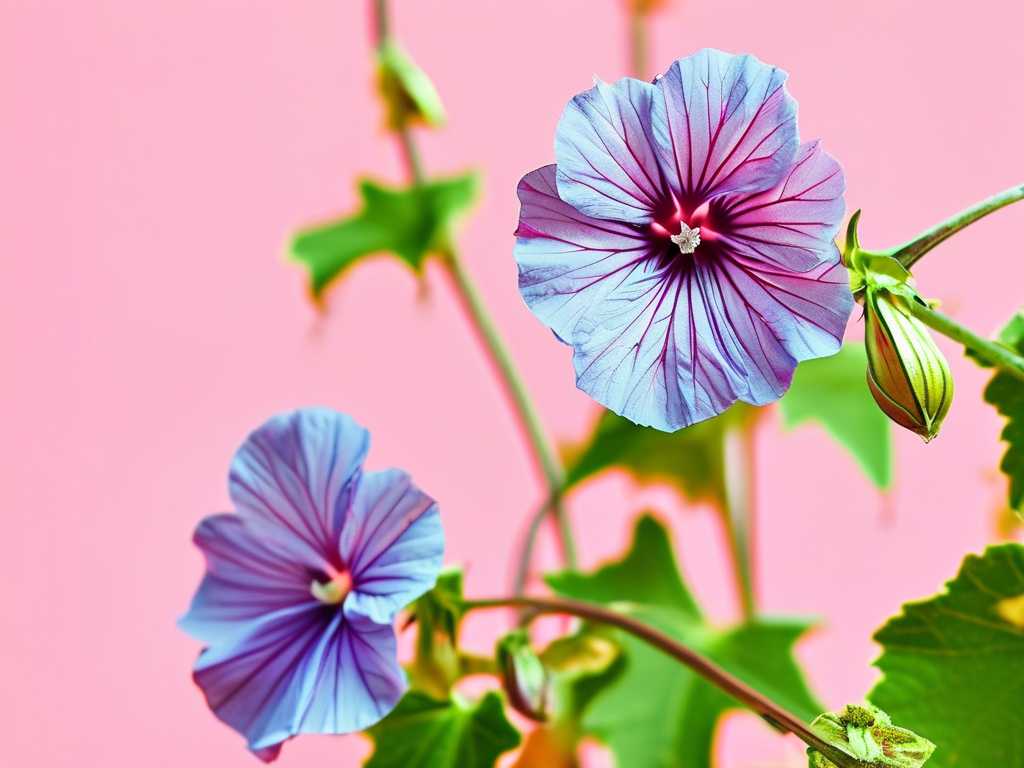
- For Hanging Baskets and Spillers: Look for terms like "trailing," "spreading," or "Wave" (a specific series). Both types have trailing versions. Grandiflora trailers (e.g., Supertunias) offer large blooms on long stems. Multiflora trailers (e.g., some 'Carpet' or 'Madness' series) offer a solid sheet of color.
- For Landscape Bedding and Color Massing: Multifloras are the traditional and excellent choice. They create a unified, carpet-like effect with minimal gaping.
- For Containers and Feature Plants: Grandifloras shine here. A large pot with a single color of dramatic Grandifloras makes a stunning focal point on a patio or by an entrance.
- For Low-Maintenance and Weather-Tough Gardens: Multifloras win, hands down. Their resilience is backed by the Royal Horticultural Society (RHS), which frequently awards Multiflora varieties its Award of Garden Merit for reliable performance in a wide range of garden conditions.
Your Petunia Questions, Answered
I live in a rainy area. Can I grow Grandifloras at all? Yes, but be strategic. Plant them in containers you can move under shelter during prolonged storms, or choose a location protected by an overhang. Also, consider newer Grandiflora series like 'Storm', which are specifically bred for improved rain tolerance.
The tag just says "Petunia." How can I tell what I'm buying? Look beyond the catchy variety name. Check the fine print on the plant tag or seed packet. It will almost always list the class ("Grandiflora" or "Multiflora"). Also, use the visual cues: are the blooms on the display plant huge and ornate (likely Grandiflora) or small and numerous (likely Multiflora)?
Do they have different fertilizer needs? Both benefit from regular feeding, but Grandifloras, with their larger blooms and more vigorous vegetative growth (in many cases), can be especially heavy feeders. For both, I start with a balanced slow-release fertilizer mixed into the soil at planting. Then, I follow up with a weekly dose of a liquid bloom fertilizer (higher in phosphorus) to support continuous flowering. The Multifloras, with their constant bloom production, will thank you for this consistent nutrition just as much as the Grandifloras.
Understanding the fundamental difference between Grandiflora and Multiflora petunias is the key to unlocking their full potential in your garden. It’s not about one being better than the other; it’s about choosing the right tool for the job. Whether you desire the breathtaking, large individual flowers of the Grandiflora or the dependable, colorful blanket of blooms from the Multiflora, you can now shop and plant with confidence. Armed with these insights from real-world growing, you can avoid the disappointments and create the spectacular petunia display you’ve always envisioned. Happy gardening