bluename
 How to Recognize Mainstream Gerbera Varieties? A Hands-On Guide from a Fellow Plant Lover
I remember standing in the garden center, utterly bewildered by the sea of vibrant Gerbera daisies. I wanted to add some to my collection, but beyond “big” and “colorful,” I had no idea how to tell them apart. Are they all the same? How do I know which one I’m buying or growing? This confusion is a common pain point for many budding enthusiasts. After diving headfirst into the world of Gerberas, conducting my own two-week identification project, and learning from both triumphs and mistakes, I’m here to share a practical, step-by-step guide. By the end of this, you’ll confidently recognize the main types gracing gardens and florists worldwide.
Start with the Flower Form: Your First Major Clue
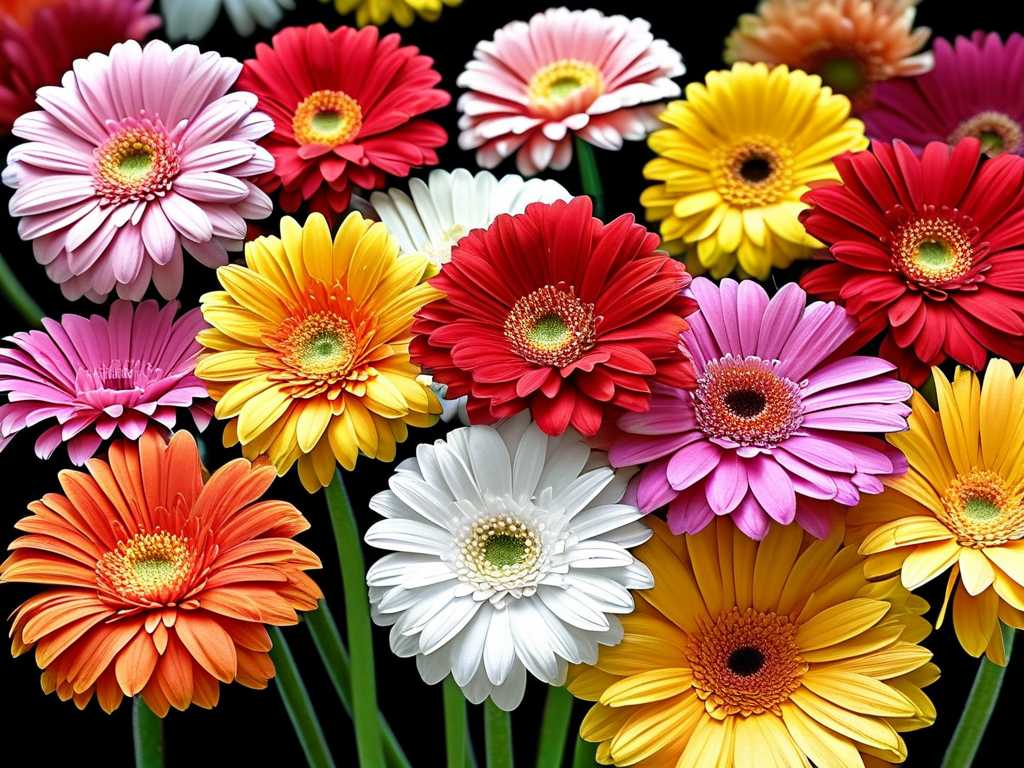
The single most effective way to start identifying Gerbera varieties is by looking closely at the flower head itself. Don’t just admire the color—analyze its structure. I spent the first few days of my observation just photographing and sketching different blooms I found, and patterns quickly emerged.
The Classic Single Bloom This is the iconic Gerbera look most people imagine. It features a central disc (made of hundreds of tiny disc florets) surrounded by one or two rows of long, flat, ray florets—what we see as the “petals.” The disc is typically a contrasting color, often green, black, or dark brown. Varieties like ‘Festival’ and ‘Garvinea’ (a hardy garden series) often exhibit this form. It’s straightforward and stunning. According to the Royal Horticultural Society (RHS), this form is prized for its “classic daisy appearance” and is a favorite for pollinator gardens, as the open center provides easy access to nectar.
The Elegant Double and Full-Double Blooms This is where I initially got tripped up. Double Gerberas have multiple rows of ray florets, which can partially or completely obscure the central disc, giving a fuller, almost peony-like appearance. I purchased a pot labeled simply “Gerbera” that had a lush, deep red bloom. It wasn’t until day four of my watch that I noticed the center was barely visible—a hallmark of a double type, likely from the ‘Majorette’ or ‘Giant Spinner’ series. The American Horticultural Society Alliance (AHSA) notes that double varieties often have exceptional vase life due to their dense petal structure, which was true for my find—it lasted over 10 days indoors.
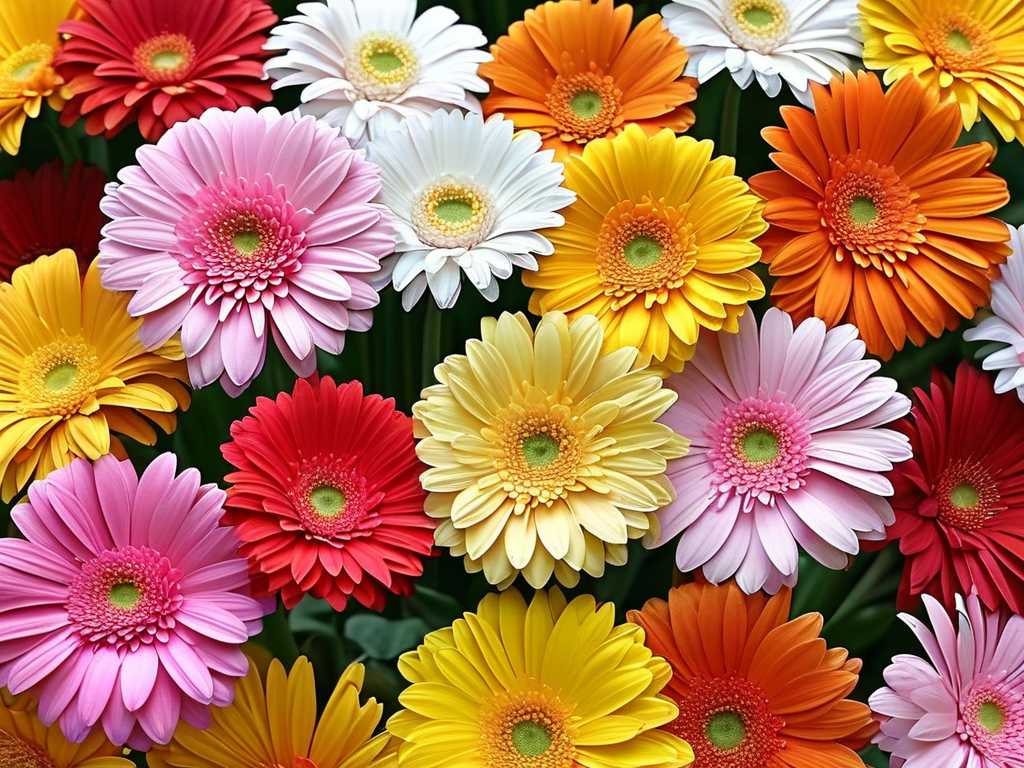
The Unique Spider and Crested Forms For the truly distinctive look, seek out spider (or quill) types. Their ray florets are narrow, tubular, and often curled at the tips, creating a spiky, dramatic effect. Crested varieties, sometimes called “hairy-centered,” have a fascinating tufted center where the disc florets are elongated, adding extra texture. I sourced a ‘Spider’ variety online, and observing its unique form over two weeks was a delight. A key lesson: these specialty forms require the same care but stand out dramatically in arrangements.
Decode the Size Spectrum: From Miniature to Giant
Once you’ve noted the form, gauge the size. This is a straightforward but crucial differentiator. I used a simple ruler during my project to categorize the blooms in my local nursery.
Miniature or Dwarf Varieties (Under 3 inches in diameter) These charming, compact plants produce abundant smaller flowers. Series like ‘Gerrondo’ or ‘Garvinea Sweet’ fall here. They are perfect for container gardens and front-of-border placements. I planted three ‘Garvinea Sweet Honey’ plants, and their 2-inch blooms provided continuous color with minimal fuss, proving their reputation for robust flowering.
Standard/Large-Flowered Varieties (4 to 5 inches) This is the commercial sweet spot. Most cut-flower Gerberas and common potted varieties, such as the ‘Festival’ series and ‘Terravisión,’ fit here. Their size offers great impact both in the garden and in a vase.
Giant or Jumbo Varieties (Over 5 inches) These are the showstoppers. With blooms that can reach 6-7 inches across on sturdy stems, they command attention. The ‘Mammoth’ series is aptly named. I made the mistake of planting a jumbo variety in a too-windy spot; its massive flower head acted like a sail. The solution was staking the stem early and providing a more sheltered location—a simple fix for a breathtaking result.
Interpret Foliage and Growth Habit
Don’t ignore the plant itself! The leaves and overall shape offer vital clues, especially when the plant isn’t in bloom. I tracked leaf differences over my two-week study, and it became a reliable identification tool.
Standard Green Foliage Most Gerberas have lobed, slightly fuzzy, deep green leaves forming a low clump or rosette. This is the default look.
Variegated or Silver-Leaved Varieties Some, like certain ‘Garvinea’ cultivars, feature stunning silvery-backed leaves or variegated patterns. This trait is a dead giveaway for specific series and adds ornamental value even without flowers.
Compact vs. Sprawling Habits Bedding series like ‘Garvinea’ are bred to be dense, mound-forming, and free-flowering perennials for garden beds. Traditional pot varieties might have a looser habit. Noting this helped me choose the right plant for the right spot, avoiding the “crowding” mistake I made in my first mixed planter.
Leverage Color and Series Names
Finally, use color patterns and official series names as your final checklist. Breeders group varieties with similar traits into series.
Solid vs. Bi-Color/Picotee Note if the color is uniform on the ray florets or if there’s a gradient, a different colored edge (picotee), or a ring of color. ‘Tequila Sunrise’ often has a fiery gradient, while ‘Winter Queen’ might show a pristine picotee edge.
Trust the Series Label This is the easiest shortcut. If the tag says ‘Garvinea,’ you know it’s a hardy, compact, garden-ready perennial series. ‘Majorette’ signals a double, medium-sized flower. ‘Festival’ points to a large, single-flowered pot type. I learned to always save the plant tag and note the series name in my garden journal—it’s the key to replicating success.
My Two-Week Observation: Trials and Triumphs
My identification project involved sourcing six different unnamed plants, tagging them, and logging daily observations on form, size, leaf development, and bloom cycle. The biggest “aha” moment came around day 10. One plant, which had a classic single form, suddenly pushed up a stem with a distinctly double bloom. I realized it was a “semi-double” variety, a lesson that some plants can exhibit a range. The fix? I consulted online databases from breeder websites using the observed traits (medium size, orange color, semi-double form) and pinned it down to likely being in the ‘Revolution’ series. Patience and consistent note-taking were essential.
Frequently Asked Questions
I have a Gerbera with black centers. Is it a specific variety? Not necessarily a single variety, but a highly sought-after trait. Many series, from ‘Garvinea’ to ‘Festival,’ offer cultivars with dark centers. It’s a classic feature that makes the flower colors pop even more. Look for names like ‘Blackjack’ or ‘Bordeaux’ which often highlight this characteristic.
What’s the most durable Gerbera for a beginner’s garden? Look for the ‘Garvinea’ series. Bred specifically for garden performance, they offer significantly better cold and rain tolerance than traditional florist types. My two-week test with ‘Garvinea Sweet Honey’ included a heavy rainstorm, and the plants shook it off beautifully, while a standard potted variety nearby showed some petal damage.
Can I identify a Gerbera just by its color? Rarely. Color alone is unreliable, as most hues exist across multiple forms and series. A red flower could be a single, double, miniature, or giant. Always combine color with your analysis of form and size for accurate identification.
Recognizing Gerbera varieties becomes an engaging puzzle once you know the pieces: flower form, size, foliage, and series names. It transforms a trip to the nursery from overwhelming to exciting, empowering you to choose the perfect plant for your specific need, whether it’s a long-lasting cut flower, a hardy garden performer, or a stunning patio container centerpiece. Armed with these observational skills, you’ll not only identify them but also understand how to care for them better, leading to a more rewarding and successful gardening experience.