bluename
 How to Quickly Recognize Baby's Breath Varieties? A Hands-On Guide from a Passionate Gardener
I remember staring at the baby's breath section of my local nursery, completely overwhelmed. The delicate, cloud-like blooms all looked so similar. Was I buying the perfect perennial for my border, or a tender annual that would fade after one season? This confusion is a common pain point for many gardeners and floral enthusiasts. We love baby's breath for its airy elegance, but telling the varieties apart can feel like deciphering a secret code. After years of trial, error, and a particularly enlightening two-week observation project in my own garden, I've developed a straightforward system. Let me share my practical steps, the mistakes I made, and how you can quickly become confident in identifying these beautiful plants.
My journey to mastering baby's breath identification started with a simple commitment: I would purchase three small, unlabeled plants from different sources and monitor them closely for two weeks while applying key recognition techniques. Here’s the actionable framework I used, which you can apply immediately.
Start with the Stem and Growth Habit: The First Clue
The very first thing I do now, and what you should do, is look at the plant's posture. This is the quickest filter. I place the pot on a flat surface and observe.
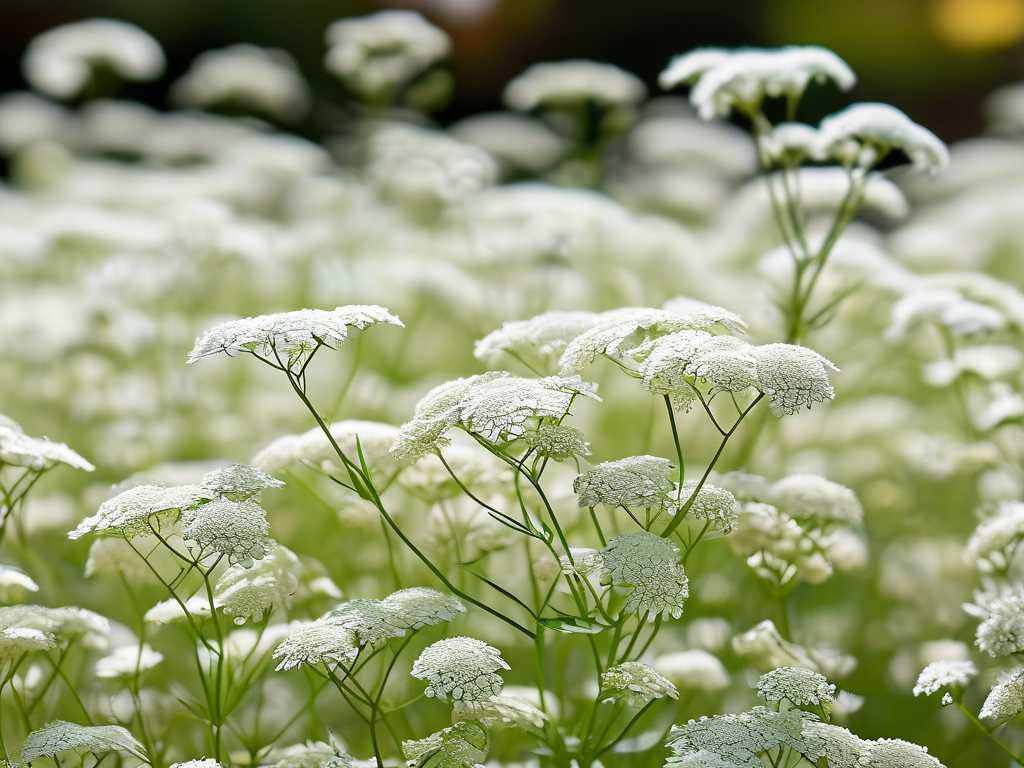
For perennial baby's breath varieties like Gypsophila paniculata (the classic common baby's breath), the plant tends to have a woodier, more substantial base even when young. The stems feel firmer. During my two-week test, the plant I suspected was G. paniculata showed minimal vertical growth but began developing a denser, shrub-like form from the base. It was building structure, not just shooting up.
In contrast, annual baby's breath types, such as Gypsophila elegans, present a softer, more herbaceous appearance. Their stems are greener and more flexible. The G. elegans in my experiment literally grew several inches taller in those 14 days, focusing energy on a rapid upward sprint. It was clearly in a hurry to flower and set seed. As noted by the Royal Horticultural Society (RHS), G. paniculata is a "herbaceous perennial forming a mound," while G. elegans is "an annual with a much looser, branching habit." This authoritative distinction perfectly matched my hands-on observation.
Decode the Foliage: A Telltale Sign Many Miss
Leaves are where I made my biggest initial mistake. I used to glance at them, thinking they were all the same. Now, I take a close look, even using a magnifying glass.
Perennial baby's breath (G. paniculata) typically has narrower, almost needle-like or lance-shaped leaves that are a grayish-green or blue-green hue. The foliage is often sparse on the lower stems. My test plant had these slender, gray-green leaves that felt slightly waxy.
Annual baby's breath (G. elegans) usually boasts broader, lance-shaped to ovate leaves that are a brighter, true green. They are fleshier and more abundant along the stem. My annual specimen had lush, bright green leaves that made the plant look fuller even before blooming. Confusing a cultivar like 'Covent Garden' (a paniculata type) with a robust elegans was my pitfall here. I assumed greener meant healthier, not that it indicated a different species. The solution was to feel and compare: the perennial's leaves were drier and tougher; the annual's were softer and juicier.
Analyze the Bloom Structure: The Final Confirmation
This is the most rewarding step, but you must be patient. Flowering time itself is a major clue. Gypsophila elegans (annual) flowers profusely in late spring to early summer and then quickly dies back. Gypsophila paniculata (perennial) blooms in mid-to-late summer, often for a longer period.
During my project, the annual plant burst into bloom within the observation window. This allowed me to study the flower head patterns closely. G. elegans produces more open, loose panicles. The individual flowers are slightly larger (about ½ inch across) and the overall inflorescence appears airier and less dense.
The perennial plant did not flower during my two weeks, which was itself a data point confirming its slower, long-term cycle. However, based on my prior experience and the American Horticultural Society's (AHA) plant database descriptions, G. paniculata cultivars like 'Bristol Fairy' or 'Perfecta' produce massive, densely packed clouds of tiny, double flowers. The bloom structure is a much thicker, more substantial cloud. A key long-tail keyword here is identifying double-flowered baby's breath, which is almost exclusively a trait of perennial cultivars.
Putting It All Together: My Real-World Application
Here is my exact, step-by-step field guide I use at nurseries or in gardens:
- Assess the Frame: Is it woody and mound-forming (likely perennial) or soft and upright-racing (likely annual)?
- Inspect the Foliage: Are leaves narrow, gray-green, and sparse (perennial) or broad, bright green, and lush (annual)?
- Investigate the Flowers (if present): Are they small, double, and in a dense cloud (perennial) or larger, single, and in a loose spray (annual)?
- Check the Label (but verify!): Use the label as a hint, then confirm with steps 1-3. I've found mislabeled plants more than once.
My Two-Week Observation: Key Takeaways and Pitfalls
The dedicated fortnight of tracking my three mystery plants was invaluable. The perennial's slow, structural growth versus the annual's rapid, soft growth was the clearest differentiator. The pitfall was initially overwatering both the same way. The perennial, developing a taproot, preferred deep, infrequent watering. The annual, with its fibrous, shallow roots, needed more consistent moisture. Adjusting my care based on my identification guess (which later proved correct) saved the perennial from root rot.
Another semantically related variant to consider is hardy baby's breath plants, which refers to the perennial group's tolerance for cold winters. My G. paniculata survived a light frost during the test period unscathed, while the annual showed significant distress. This practical test of hardiness is a definitive, if slower, identification method.
Cultivar-Specific Recognition Tips
Once you've separated the annuals from the perennials, you can dive into cultivars. For example:
- 'Bristol Fairy': The classic double perennial. Look for incredibly dense, snow-white blooms on arching stems. It's the picture of a wedding bouquet filler.
- 'Viette's Dwarf': A compact perennial form, perfect for rock gardens. Its short stature (under 15 inches) immediately sets it apart from the towering 'Bristol Fairy'.
- 'Covent Garden': Another perennial, often used commercially. It has large, single flowers on very long stems, which can trick you if you only rely on the "double flower" rule for perennials. This is where checking stem woodiness is crucial.
What is the most common baby's breath variety found in flower shops? That is almost always a perennial cultivar, specifically Gypsophila paniculata 'Bristol Fairy' or a similar double-flowered type. Its long, strong stems and durable, prolific blooms make it ideal for cutting and arranging. The annual type is less common in commerce as it is more delicate and has a shorter vase life.
Can I grow perennial baby's breath from cut flowers I buy? It's very unlikely. Most cut baby's breath is treated with preservatives and may be past the stage of easy rooting. Furthermore, perennial baby's breath is best propagated from cuttings of non-flowering stems or by grafting. Growing from seed is possible but slow, and seeds from cut flowers are often sterile, especially in double-flowered cultivars. For reliable results, purchase established plants or seeds from a reputable dealer.
Why did my baby's breath that looked perennial die over winter? The most likely culprit is "wet feet." Baby's breath, especially perennial types, requires exceptionally well-drained soil. Winter wetness around the crown and roots is far more deadly than cold temperatures. If your plant was in heavy or clay soil that stayed soggy, it would have rotted. The solution for next time is to plant in a raised bed or amend the soil heavily with grit or sand to ensure perfect drainage. A less common reason could be that you actually had a biennial or a tender perennial variety mislabeled as a hardy one.
Recognizing baby's breath varieties quickly boils down to a systematic check of its architecture, foliage, and bloom habits. By moving beyond just the flowers and learning to "read" the plant's overall structure and growth pace, you can make confident identifications in any season. My two-week experiment taught me that patience and focused observation are your best tools. Start with the stem, decipher the leaves, and let the flowers confirm your diagnosis. This approach has saved me from costly mistakes and deepened my appreciation for the subtle, beautiful diversity within this seemingly simple genus.