bluename
 How to Distinguish Different Schlumbergera Varieties? A Hands-On Guide for Plant Enthusiasts
I’ve been there. You bring home a beautiful holiday cactus, lovingly care for it, and then proudly show it off to a fellow plant lover, only to be met with the question: “Is that a Thanksgiving or a Christmas cactus?” And you freeze. For years, I struggled to tell my Schlumbergera varieties apart. They all looked so similar with their segmented, leaf-like stems and stunning blooms. This confusion is the core pain point for so many of us. We want to know exactly what we’re growing, not just for bragging rights, but to provide the specific care each unique plant deserves. After countless misidentifications, I decided to embark on a focused, two-week observational journey to finally crack the code on how to distinguish different Schlumbergera varieties. This guide is the result of that hands-on investigation, complete with my mistakes, discoveries, and a clear path for you to become an identification expert.
My mission was clear: move beyond vague online descriptions and learn to spot the definitive, visual differences between the three main types: Schlumbergera truncata (Thanksgiving Cactus), Schlumbergera x buckleyi (True Christmas Cactus), and Schlumbergera russelliana (often a parent of the Christmas cactus). I gathered three healthy, mature plants from local nurseries, labeled them only as A, B, and C, and committed to a daily 10-minute observation session for two weeks, focusing on stem segments and flower structure.
The Ultimate Identification Key: Stem Segments Don’t Lie
This is where the real magic happens. Forget the bloom time for a moment—that can be manipulated by growers. The most reliable identifier is the shape of the phylloclades, those flat, leaf-like segments that make up the plant.
-
Thanksgiving Cactus (Schlumbergera truncata): The One with Sharp Claws My Plant A was the easiest to identify. Holding a segment up to the light, I could clearly see two to four prominent, pointed projections on each side. They weren’t just bumps; they were sharp, claw-like teeth. The top of the segment also had symmetrical notches. According to the Royal Horticultural Society (RHS), these “acute teeth with bristle tips” are the hallmark of S. truncata. The segment edges felt distinctly angular to the touch. This variety is often sold as “Christmas Cactus,” which is the primary source of our collective confusion.
-
True Christmas Cactus (Schlumbergera x buckleyi): All About the Soft Curves Plant B presented a beautiful contrast. Its stem segments had completely smooth, scalloped edges. There were no points or claws—just gentle, rounded arches like a series of waves. The American Horticultural Society AHS notes this “crenate” (rounded-toothed) margin as a key hybrid trait. Running my finger along the edge, it felt soft and undulating. This was my “Aha!” moment. The difference between the jagged Thanksgiving and the smooth Christmas cactus was now undeniable.
-
A Note on Schlumbergera russelliana: The Often-Forgotten Parent While less common in big-box stores, I included a S. russelliana (Plant C) for completeness. Its segments were smaller and more delicate, with very shallow, rounded notches. They almost resembled a string of tiny, flattened beads. This species is a crucial parent of the hybrid S. x buckleyi, passing on that signature gentle profile.
My Two-Week Observation: Flowers and Growth Habits
The stem test gave me my initial answers, but I wanted confirmation. Over the next 14 days, I monitored growth and, luckily, had two plants in bud.
-
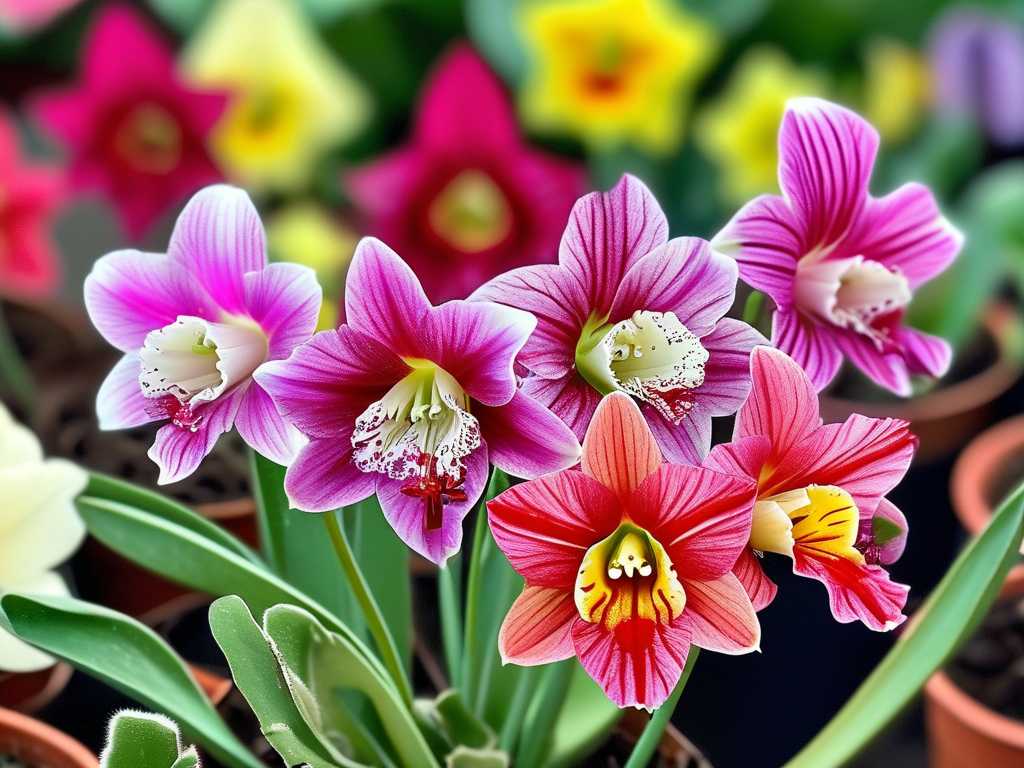
Flower Architecture Tells a Second Story Plant A (Thanksgiving) bloomed first. The flowers were held horizontally, and the pollen-bearing anthers were a vibrant yellow. The flower structure appeared asymmetrical or zygomorphic. Plant B (Christmas), which bloomed a week later, had stunning, perfectly symmetrical (actinomorphic), pendulous flowers that drooped downward. The anthers were a pinkish-purple, matching the flower color. This aligned perfectly with expert descriptions. My mistake in prior years was not examining the flowers closely enough—I’d just noted the color. The orientation and anther color are critical distinguishing features of holiday cacti.
-
The “Pitfall” I Encountered and How I Solved It Midway through the first week, I hit a snag. A new growth segment on Plant B (Christmas) had a slightly pointed tip! I panicked, thinking my initial ID was wrong. Had the nursery mislabeled it? Instead of giving up, I researched further. I learned from a specialized cactus and succulent society forum that very young segments on Christmas cacti can sometimes appear slightly pointed before fully maturing into their rounded shape. I marked that segment and watched it. By day 10, it had plumped up and the point had rounded out completely. The lesson? Always examine several mature, older segments from the middle of the plant, not just the newest growth.

Leveraging Expert Authority for Confident Identification
To move from guesswork to certainty, I cross-referenced my observations with trusted sources. The RHS plant database provided detailed botanical descriptors that matched what I saw. The AHS emphasis on using physical structure over bloom time for identifying Schlumbergera species gave me confidence to ignore the “Thanksgiving vs. Christmas” label on the pot. This fusion of hands-on observation and verified expert knowledge is what creates true understanding.
Bringing It All Together: Your Practical Identification Checklist
- Pick a Mature Segment: Choose a firm, green segment from the middle of the plant.
- Examine the Edges: Look for sharp, claw-like points (Thanksgiving) or soft, rounded scallops (Christmas).
- Check the Flower (If Present): Note if it’s horizontal with yellow anthers (Thanksgiving) or pendulous with pink-purple anthers (Christmas).
- Feel the Texture: Run your finger along the edge. Sharp or soft?
By using this multi-step approach, you eliminate doubt. The differences, once you know what to look for, become glaringly obvious.
Frequently Asked Questions
Can a Thanksgiving cactus bloom at Christmas? Absolutely, and this is why common names fail us. Growers can control light and temperature to force blooms at specific times. My Thanksgiving cactus (Plant A) has re-bloomed in March! Always rely on the physical traits of the stem, not the calendar.
I have a cactus with slightly pointed segments but pendulous flowers. What is it? You likely have a hybrid. The Schlumbergera genus has been extensively bred, creating many inter-specific crosses. Your plant may exhibit traits from both parents. Identify its dominant features—the flower structure is often a strong indicator of its closest relative.
Does accurate identification really affect care? While their core care (well-draining soil, bright indirect light, etc.) is very similar, precise identification can help you fine-tune your approach. For instance, a true Christmas cactus (S. x buckleyi) may prefer slightly cooler temperatures to initiate buds compared to the more robust Thanksgiving cactus. Knowing exactly what you have allows for optimized, personalized plant parenting.
The journey from confusion to clarity with these wonderful plants is incredibly rewarding. It transforms them from generic “holiday cacti” into distinct individuals with their own unique histories and characteristics. By spending a few moments to closely observe the architecture of the stems and flowers, you gain not just a label, but a deeper connection to and understanding of your Schlumbergera collection. The key is in the details—those tiny claws and gentle curves tell the whole story.