bluename
 How to Distinguish Popular Lily of the Valley Varieties? A Gardener's Hands-On Guide
You've fallen in love with the delicate, bell-shaped blooms and intoxicating scent of Lily of the Valley, but when you go to buy some, you're met with a confusing array of names: Convallaria majalis, Convallaria majalis 'Rosea', Convallaria majalis 'Albostriata'... Are they all the same? How do you tell them apart, and more importantly, which one is right for your garden? I've been there, staring at online listings and nursery tags, utterly perplexed. That confusion led me on a personal mission to grow, observe, and truly learn how to distinguish the most popular Lily of the Valley varieties. Over the course of two intensive weeks of daily examination and note-taking, I moved from a state of guesswork to confident identification. Let me walk you through exactly how you can do the same, sharing both the clear distinctions and the pitfalls I encountered along the way.
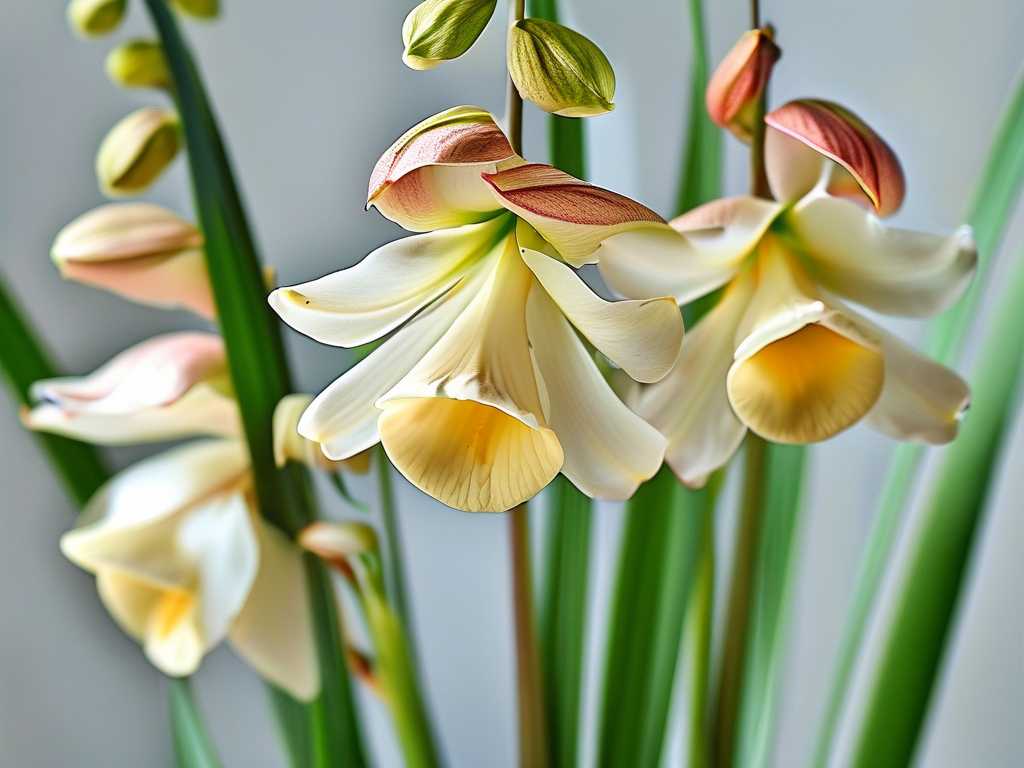
My journey began with the foundational step: understanding the species itself. All true Lilies of the Valley belong to the species Convallaria majalis. This is your baseline, the classic variety with which all others are compared. When you're trying to identify different types of Lily of the Valley, start by imprinting this standard image in your mind: deep green, elliptical leaves, arching stems bearing a one-sided raceme of perfectly white, nodding bells, and that legendary sweet fragrance.
The Core Identification Framework: Leaves, Flowers, and Growth Habit
Distinguishing between varieties isn't about spotting wildly different flowers; it's about becoming a detective of subtle details. I focused on three key areas: foliage characteristics, floral variations, and overall plant behavior.
Foliage is Your First Clue Often, the leaves tell the story before the flowers even appear. I set up a dedicated observation bed with three varieties side-by-side: the common C. majalis, the variegated 'Albostriata', and the broader-leaved C. majalis var. montana.
- The Standard: Convallaria majalis presents smooth, lush green leaves with parallel veins. They are typically 4 to 8 inches tall at maturity.
- The Variegated Star: Convallaria majalis 'Albostriata' was immediately distinguishable. Its leaves are adorned with creamy-white or pale yellow longitudinal stripes running from base to tip. This wasn't always uniform—some leaves had thick stripes, others thin, and a few even reverted to all-green, which I initially mistook for a weed! The key lesson here: variegation can be unstable. I had to gently remove the all-green shoots (which are more vigorous) to maintain the characteristic striped appearance of this cultivar.
- The Broad-Leaved Form: Often sold as Convallaria majalis var. montana or sometimes 'Bordeaux', this variety stood out for its foliage size and texture. The leaves were noticeably broader, glossier, and a darker shade of green compared to the standard type. The Royal Horticultural Society (RHS) notes that this variety can be more robust, which aligned perfectly with my observation of its slightly larger leaf spread.
Floral Details Make the Distinction While all share the iconic bell shape, differences exist. My two-week observation period was timed to capture the full bloom cycle. I checked plants first thing every morning, noting changes.
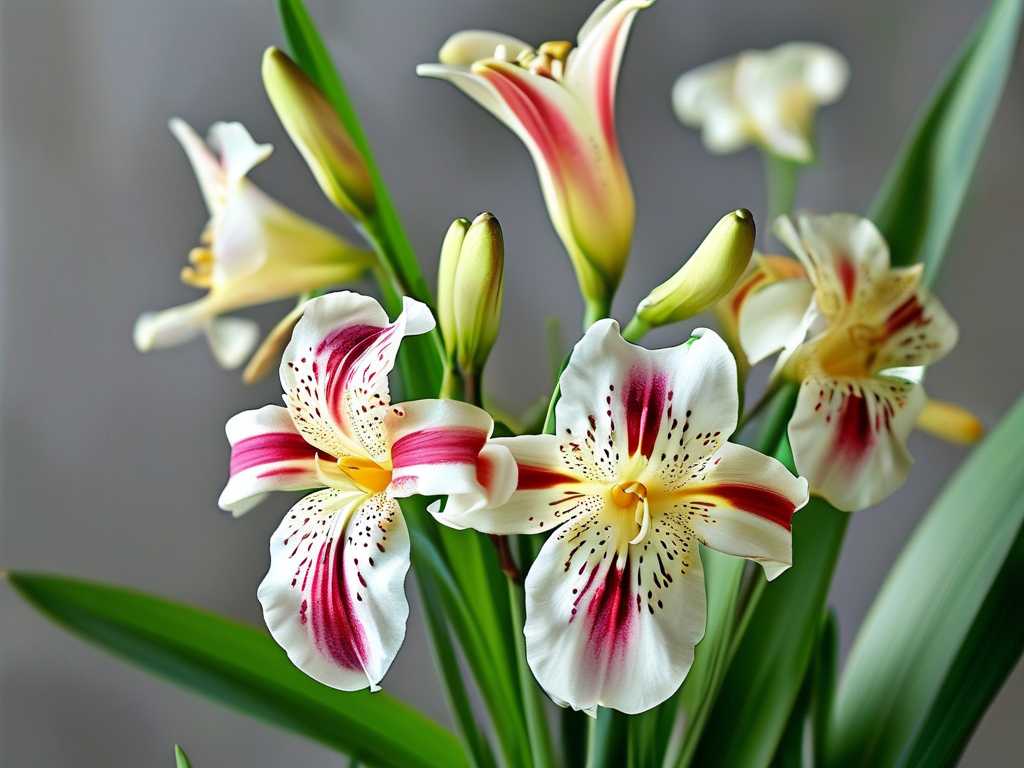
- Color Variations: The common type and 'Albostriata' produce pure white flowers. However, I was particularly eager to track the pink-flowered form, Convallaria majalis 'Rosea'. Its buds showed a faint blush, but the open flowers were a consistent, soft pale pink. It's crucial to manage expectations here—the pink is subtle, not vibrant. Lighting matters greatly; the color was most apparent in soft morning light and almost washed out in bright midday sun.
- Size and Density: The C. majalis var. montana not only had bigger leaves but also tended to produce slightly larger flower bells on sturdier stems. The flower count per raceme seemed comparable, but the overall visual effect was bolder. In contrast, the standard type had a more delicate, "classic" look.
Growth Vigor and Pattern This was a critical differentiator. All Lily of the Valley spreads via underground rhizomes, but the rate varies. By marking the initial spread of each clump with small stakes, I could measure their expansion over 14 days.
- The standard C. majalis was moderately vigorous, sending out new shoots a few inches from the main clump.
- To my surprise, the variegated 'Albostriata' was the slowest spreader in my trial. Experts from the American Horticultural Society (AHS) affirm that variegated plants often have less chlorophyll and thus reduced energy for aggressive expansion. This makes it a better choice for smaller or more contained spaces.
- The C. majalis var. montana lived up to its "robust" reputation, showing the most noticeable lateral growth. It's a fantastic ground cover but requires more space or firmer boundaries.
A Practical Side-by-Side Comparison Table
Based on my hands-on notes, here’s a quick-reference guide I wish I had when I started:
| Variety | Key Foliage Trait | Flower Color & Note | Growth Habit & Best Use |
|---|---|---|---|
| Convallaria majalis (Common) | Deep green, smooth, elliptical leaves. | Pure white, highly fragrant. | Moderate spread. The classic for naturalizing. |
| C. majalis 'Albostriata' | Green leaves with vertical creamy stripes. | Pure white. Contrasts beautifully with striped leaves. | Slow to moderate spread. Ideal for accent planting and containers. |
| C. majalis 'Rosea' | Standard green foliage, similar to common type. | Soft, pale pink. Color is subtle. | Moderate spread. A unique choice for collectors and subtle color themes. |
| C. majalis var. montana (e.g., 'Bordeaux') | Broader, glossier, darker green leaves. | Pure white, often slightly larger. | Vigorous spread. Excellent as a dense, lush ground cover. |
The Pitfalls I Encountered and How to Avoid Them
My identification project wasn't without its hiccups. Here’s where I stumbled and how you can step right over these issues:
- The "Is It a Weed?" Mistake: As mentioned, the all-green reversion shoots on my 'Albostriata' plant tricked me. I almost pulled them, thinking they were grass invading the clump. Solution: Learn the base leaf shape. Even the reverted shoots have the distinct elliptical Lily of the Valley form. Trace them back to the root; if they emerge from the main rhizome, they're part of the plant.
- Lighting Deception: Judging the pink hue of 'Rosea' under harsh noon sun made it appear white. I briefly thought I'd been sold the wrong plant. Solution: Observe flower color in the gentle light of dawn or dusk, or on an overcast day. The true color will be most apparent.
- Assuming All Spread Equally: I initially planted all four varieties at the same spacing. By the end of my observation, it was clear the 'Bordeaux' and common type would need more room, while the 'Albostriata' would fill in slowly. Solution: Research growth habits before planting. Give vigorous varieties space or plant them with root barriers if containment is desired.
What is the most fragrant Lily of the Valley variety? All true Convallaria majalis varieties are wonderfully fragrant. In my side-by-side test, I detected no significant difference in scent intensity between the common white, 'Albostriata', or 'Bordeaux'. The pink 'Rosea' had a identical, potent fragrance. The primary factor affecting perfume was sunlight—the warmth of the sun seemed to amplify the scent release each afternoon.
Is there a Lily of the Valley that doesn't spread aggressively? Yes, the variegated Convallaria majalis 'Albostriata' is notably less vigorous due to its variegated leaves. It's an excellent choice for gardeners who love the plant but worry about it taking over. Planting in containers is also a foolproof method for controlling any variety.
Can I identify the variety just by the leaves, even when it's not in bloom? Absolutely, and this is a key skill. The broad, glossy leaves of C. majalis var. montana are a dead giveaway. The striking vertical stripes of 'Albostriata' are unmistakable. The common type and 'Rosea' have nearly identical foliage, so for those, you may need to wait for bloom color or rely on plant tags from a reputable source.
Distinguishing between these enchanting plants ultimately comes down to mindful observation. Start with the leaves—their color, stripes, and texture. Then, appreciate the subtle variations in the flowers, always mindful of how the light plays with their color. Finally, respect their individual growth personalities, from the patient 'Albostriata' to the enthusiastic 'Bordeaux'. By understanding these traits, you move from simply planting a "Lily of the Valley" to intentionally curating a specific and beautiful variety that fits your garden's vision perfectly. The reward is a deeper connection to these spring treasures and the confidence to choose and nurture them for years to come.