bluename
 How to Recognize Mainstream Aquilegia Varieties? A Gardener's Practical Guide
I've always been captivated by the delicate, dancing blooms of Aquilegia, commonly known as columbine. But for years, I found myself utterly confused at the garden center. Were those stunning, long-spurred flowers a 'McKana Giant' or a 'Songbird' mix? Was that compact plant with unusual colors a 'Winky' series or something else entirely? This frustration is a common pain point for many plant lovers. We see these beautiful perennials, but without a clear guide, choosing and identifying them feels like guesswork. In this guide, I'll share my hands-on, two-week journey of closely observing and learning to distinguish the most popular Aquilegia varieties, including the pitfalls I encountered and how I overcame them.
Understanding the Key Recognition Features
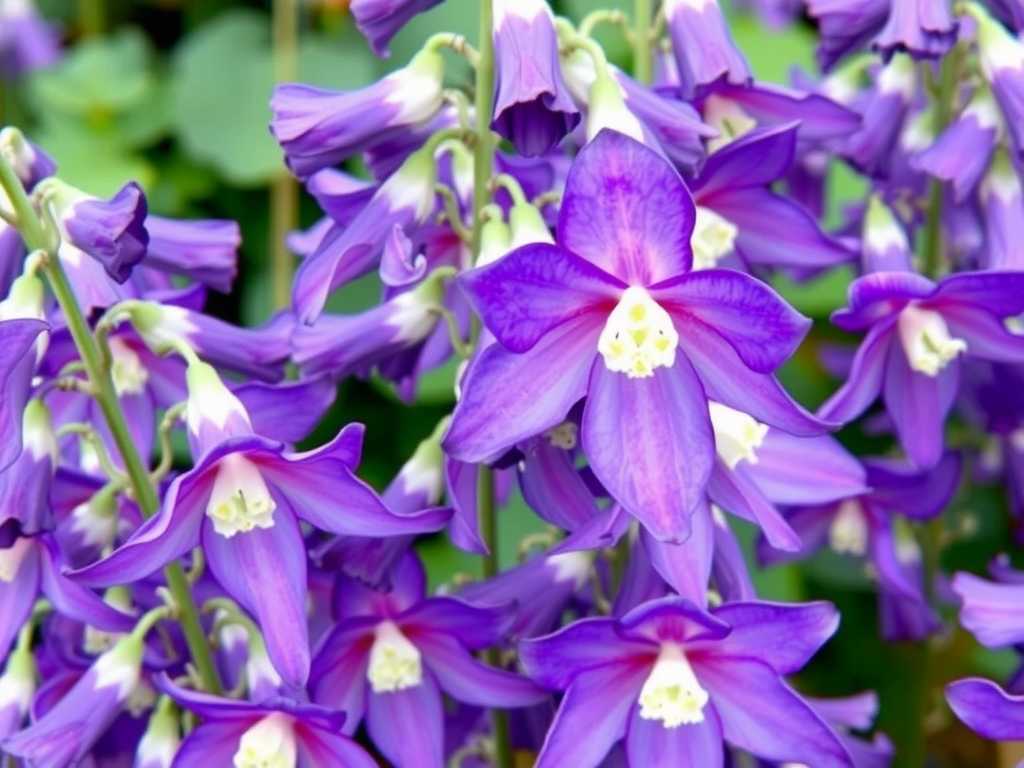
Before diving into specific varieties, you need to know what to look at. I learned this the hard way after buying several "mystery" plants and trying to ID them later. The main characteristics are flower shape (especially spur length and orientation), plant height and habit, bloom time, and foliage texture. I spent the first few days of my observation just documenting these traits in a notebook for each plant I had.
Flower Architecture: Spurs, Petals, and Sepals The spur is the most distinctive feature. Some varieties have long, elegant, backward-projecting spurs, while others have short, hooked, or even virtually spurless flowers. The "sepals" (the outer petal-like parts) and the true "petals" (the inner, often flared parts) often contrast in color. I made the mistake of initially calling all the colorful parts "petals," which made using identification keys online nearly impossible until I corrected my terminology.
Plant Form and Foliage Aquilegia isn't just about the flowers. The overall mound shape, the height of the flower stalks, and the delicacy of the bluish-green, lobed foliage are huge clues. Some varieties form tight, compact clumps, while others are more sprawling. Noting this habit from the beginning saved me later when two plants with similarly colored flowers bloomed at different heights.
Spotting Popular Long-Spurred Hybrids
These are the showstoppers, the ones that first draw the eye. My focus here is on the McKana Giants and the Songbird Series, two of the most common long-spurred types you'll encounter.
The Classic: McKana Giant Mix I planted a packet of 'McKana Giant' seeds two seasons ago. This spring, I dedicated a week to monitoring their development. The key identifier is the very long, straight to slightly curved spurs that stand out prominently. The flowers are large, upward-facing, and come in a stunning bicolor mix—often with contrasting spurs and petals. The plants are tall, often reaching 24-30 inches (60-75 cm) in bloom. The Royal Horticultural Society (RHS) notes its reliability as a hardy, vigorous strain. My challenge was that not every flower looked the same; the mix means variation in color patterns. I had to learn to look past the color and focus on the consistent structural form: large flower, long spur, tall stature.
The Elegant Alternative: Songbird Series (Like 'Cardinal') To compare, I purchased a 'Songbird Cardinal' plant. Observing it side-by-side with the McKanas over several days revealed subtle differences. The Songbird series, as noted by experts at the American Horticultural Society (AHA), is bred for uniformity and strong, upright stems. The spurs are also long but can appear slightly more slender. The colors are often clearer and more distinct within a single plant. My 'Cardinal' had consistent deep red and white flowers, whereas my McKanas were a carnival of colors. The plant habit was slightly more compact and uniform. The pitfall here? Assuming all red-and-white columbines are the same. The structural consistency of the Songbird series is a major clue.
Identifying Compact and Double-Flowered Varieties
Not all Aquilegia are towering giants. The Winky Series and Double-Flowered Types have gained massive popularity for containers and front-of-border placements.
The Charming Dwarf: Winky Double Red & White I grew the 'Winky Double Red & White' in a patio pot. This was a fascinating two-week study. The "Winky" series is defined by its compact, double-tiered flower form. The flowers look upward with short spurs, and the central cluster of petals gives a double, rose-like appearance. The plant stays short, around 10-14 inches tall. My initial problem was mildew on the lower leaves because the dense foliage trapped moisture. The solution was improving air circulation and watering at the base. Once corrected, the plant's true identifying feature—its unique, upward-facing, double blooms on a neat mound—shone through.
The Frilly Showpieces: 'Ruby Port' or 'Black Barlow' Double, spurless varieties like 'Ruby Port' (deep wine-red) or 'Black Barlow' (near-black) are in a league of their own. They lack the classic spur entirely, which is the first major identifier. The flowers are fully double, composed of many layered sepals, resembling a small dahlia or clematis. I observed a 'Ruby Port' at a local botanical garden. Its foliage was slightly finer, and the flower stems were strong but moved gracefully in the wind. The AHA highlights these as excellent cut flowers due to their unique form. The key is to not look for a spur; instead, recognize the pom-pom shape and the often darker, moodier color palette.
Leveraging Bloom Time and Foliage for Confirmation
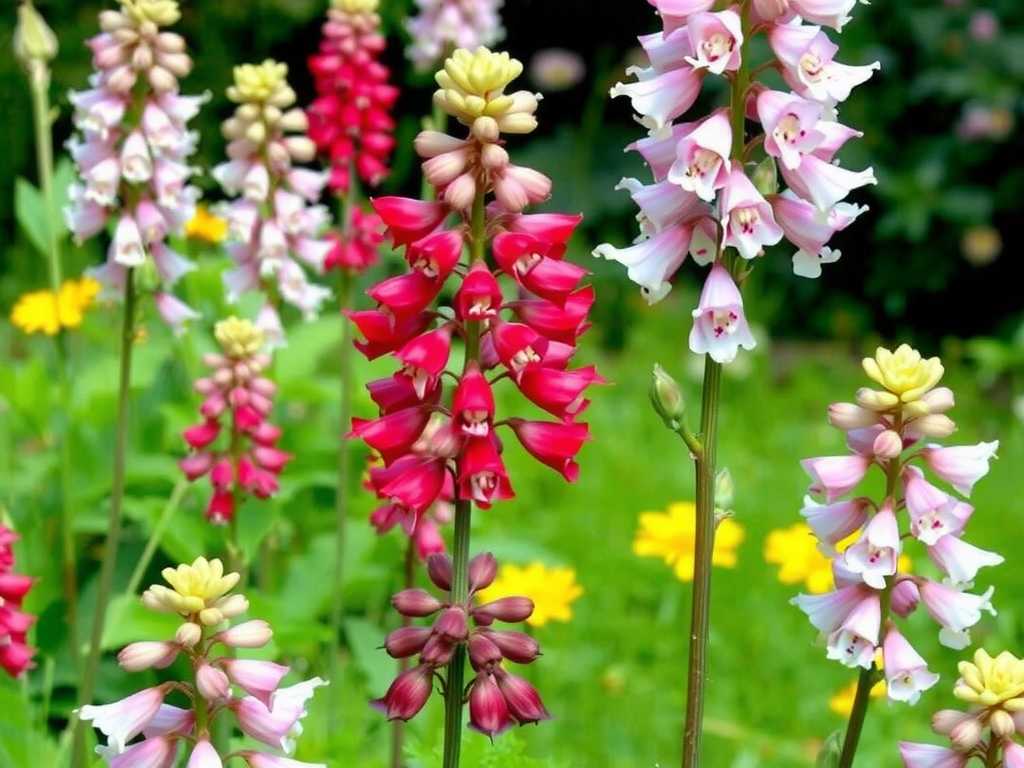
Recognition isn't just a springtime activity. I extended my observation period to note sequential blooming. Early-blooming species like Aquilegia alpina will fade before many of the hybrid columbine varieties peak. The mainstream hybrids I've discussed typically have a core bloom period in late spring to early summer. Furthermore, some varieties, like the Aquilegia vulgaris 'Woodside' strain, have striking purple-tinged or variegated foliage. This foliage remains an identifier long after the flowers are gone. I missed this initially, but now I use foliage as a year-round clue.
What is the easiest way to start identifying Aquilegia? Start with the spur. Is it long, short, or absent? This single feature will immediately narrow down your options into broad, manageable categories.
Why did my 'McKana Giant' look different from my neighbor's? Many popular Aquilegia are sold as seed mixes, not genetically identical clones. This means there will be natural variation in color and slight form within the same seed packet. Focus on the shared structural traits (spur length, plant height) rather than exact color patterns.
Are there any foolproof resources for checking my identification? Yes. Cross-reference your observations with the plant lists and descriptions from authoritative organizations like the Royal Horticultural Society (RHS) or the American Horticultural Society. Their plant databases are built on expert taxonomy and description.
Learning to recognize these beautiful plants has deepened my appreciation for them immensely. It transformed my garden from a collection of pretty unknowns into a curated display of distinct personalities. By spending time observing the architecture of the flower, the habit of the plant, and the nuances of bloom time, you can move from confusion to confidence. Whether it's the majestic sweep of a McKana Giant's spurs or the charming, upward gaze of a Winky double, each variety has a story told through its form. Happy identifying