bluename
 How to Distinguish Common Lupin Varieties? A Hands-On Guide from a Fellow Gardener
I’ve been there—standing in a garden center, staring at a sea of lupin seedlings or packets of seeds, all promising spectacular spires of color, but with labels that are vague at best. ‘Russell Hybrid Mix,’ ‘Gallery Series,’ Lupinus polyphyllus… what does it all mean? How do you tell them apart, and more importantly, how do you choose the right one for your garden? As a passionate gardener who has nurtured these stunning plants for years, I know that distinguishing common lupin varieties is the key to unlocking their full potential. Over a dedicated two-week observation period in my own garden, I focused on comparing specific traits to clear up the confusion once and for all. This guide is born from that hands-on experience, complete with the mistakes I made and the simple solutions I found.
Understanding the Lupin Family: More Than Just Tall Spikes
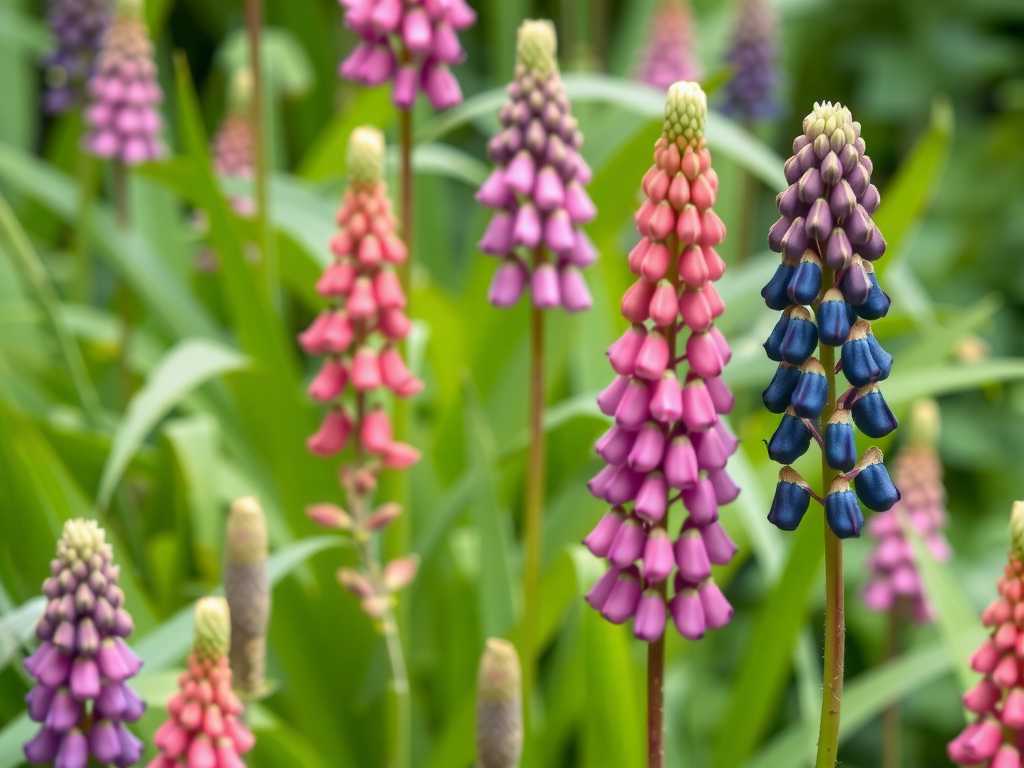
Before we dive into the visual details, it’s helpful to know the two main groups you’ll encounter. Most garden lupins belong to one of two camps: the large, perennial border types (primarily derived from Lupinus polyphyllus) and the smaller, often annual, species like Lupinus hartwegii or the famed Texas Bluebonnet (Lupinus texensis). My focus here is on the perennial garden hybrids, as they are the most common and sometimes the most confusing to tell apart. The Royal Horticultural Society (RHS) notes that while species lupins have their charm, the modern garden hybrids offer an unparalleled range of colors and robust form for temperate climates.
My Two-Week Lupin Identification Project: Setting the Stage
To give you a truly practical guide, I selected three of the most common lupin varieties I could find: a classic Russell Hybrid, a compact Gallery Series plant, and a ‘Band of Nobles’ strain. I planted them in similar soil and light conditions in my garden border. For two weeks, I tracked their growth habits, leaf development, and early bud formation daily. My goal was to identify the distinguishing features that are evident not just at full bloom, but from the moment they begin to grow.
Key Feature 1: Plant Habit and Height – The Most Obvious Difference
This is the quickest way to start categorizing your lupins.
- The Stately Border Lupin (e.g., Russell Hybrids, ‘Band of Nobles’): These are the giants. My Russell Hybrids, true to their reputation, rapidly formed robust clumps of foliage. Within the first week of my observation, their central growth point was visibly more pronounced and taller than the others. They are destined to reach 3 to 4 feet tall when in bloom, forming commanding vertical statements. The American Horticultural Society (AHA) recognizes these as foundational plants for the back of a perennial border due to their impressive scale.
- The Compact Mound (e.g., Gallery Series, ‘Minarette’): In stark contrast, the Gallery Series lupin I observed maintained a much denser, self-contained form. The leaves were closely packed, and the overall plant stayed under 2 feet tall in its vegetative state. It’s bred specifically for the front of borders or container gardening. If your lupin looks lush and mounded rather than ambitiously upright in its early growth, you’re likely looking at a dwarf variety.
The Mistake I Made: I initially planted a Gallery lupin behind a lower-growing dianthus, thinking its flower spike would still peek through. I underestimated how much its compact growth habit would be overshadowed by the surrounding foliage until it bloomed. The Simple Fix: I transplanted it to the front of the border where its full form and flower spike could be appreciated. Always place dwarf lupins where their entire structure can be seen.
Key Feature 2: Foliage – Look Closer at the Leaves
The leaves tell a silent but revealing story. All lupins have palmate leaves (like a hand with fingers), but the details vary.
- Large, Lush Green Fans: My Russell Hybrid and ‘Band of Nobles’ varieties produced large leaf stalks with 12 or more leaflets. The leaflets were broad, creating a lush, almost tropical-looking clump of deep green. This is characteristic of the traditional perennial lupin types.
- Neater, Denser Foliage: The Gallery Series plant had noticeably smaller leaves overall. The individual leaflets were narrower, and the entire leaf stalk was shorter, contributing to that tidy, mounded appearance. The density of the foliage was greater, with less space between leaf stems.
Key Feature 3: Flower Spikes and Color Patterns
This is where the magic happens, and distinctions become crystal clear.
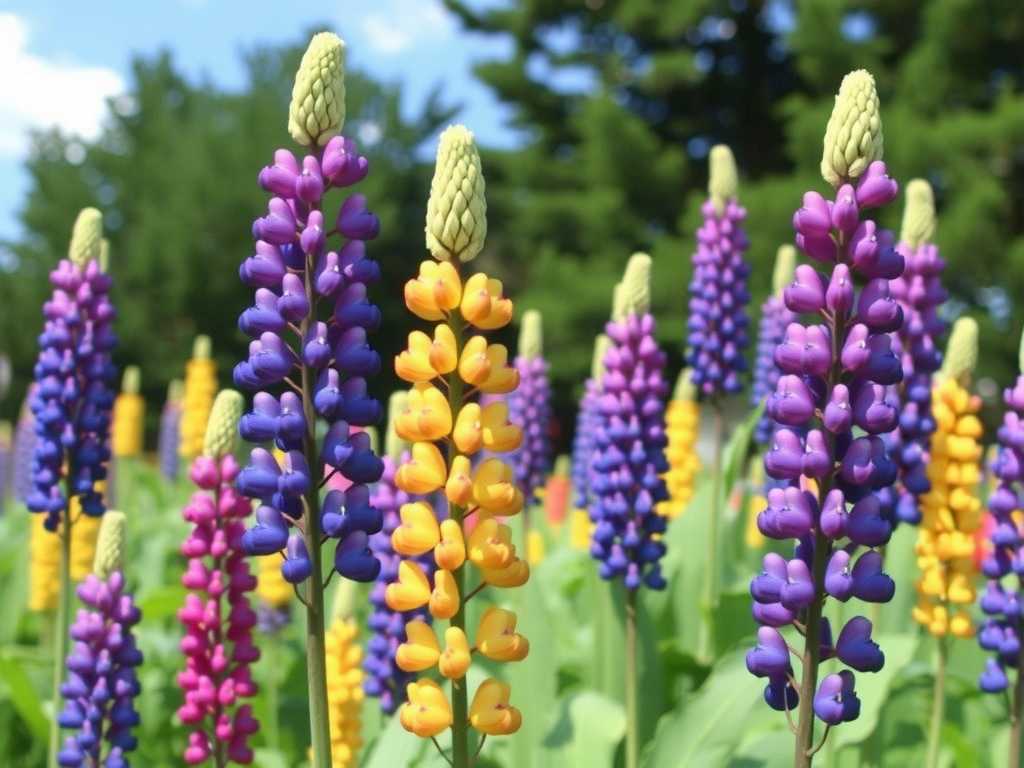
- Towering Multi-Colored Spires (Common Russell Hybrids): The classic Russell Hybrid lupin is famous for its dense, packed flower spikes that can be a single color but are often breathtakingly bicolored. Think deep blue and white, pink and cream, or red and yellow. The flowers are tightly stacked. My ‘Band of Nobles’ strain showed similar traits—tall spikes with complex, often two-tone colorations. These varieties are the result of meticulous selection for dramatic floral displays.
- Uniform Color Spikes (Many Named Cultivars & Gallery Series): Many modern strains, including the Gallery Series I grew, often feature spikes in a single, solid, and vibrant color. My plant produced a flawless spike of deep rose-pink. While bicolors exist in dwarf forms, solid colors are a key hallmark of many refined cultivars. The spikes on compact varieties are proportionate to the plant—slightly shorter but just as dense, creating a bold block of color.
The Mistake I Made: In my first year growing lupins, I deadheaded all spent flower spikes the same way. On the giant Russell types, this promoted a small, often weaker, second flush. On the compact Gallery type, it practically ended the show. The Simple Fix: I learned from RHS advice to deadhead perennial border lupins promptly to conserve their energy for the next year’s growth, but for compact annuals or treated-as-annuals like some dwarfs, I simply enjoy the primary bloom period and replant anew each year for guaranteed performance.
Why Accurate Identification Matters: Beyond Just a Name
Knowing your lupin variety isn’t botanical pedantry; it’s practical gardening wisdom. A tall Russell Hybrid lupin needs staking in windy areas and space to shine at the back of your border. A dwarf lupin variety like the Gallery Series is perfect for edging or a patio pot. Planting them incorrectly leads to disappointment. Furthermore, understanding that the classic perennial types are short-lived (4-6 years) helps you plan for succession, while some smaller types are best treated as annuals for a guaranteed spectacular show.
Bringing It All Together: A Quick Identification Checklist
Next time you’re puzzled, run through this list:
- Measure its Ambition: Is it forming a tall clump (3-4 ft) or a neat mound (under 2 ft)?
- Examine the Foliage: Are the leaf fans large and spreading, or small and densely packed?
- Analyze the Bloom: Are the flower spikes towering and often bicolored, or proportionate and often a solid, bold hue?
By combining these observations, you can confidently distinguish between the major common lupin varieties in your garden or at the nursery.
Frequently Asked Questions
Can I save seeds from hybrid lupins to get the same plant next year? Unfortunately, no. Lupins like the Russell Hybrids are complex crosses. Seeds saved from them will not “come true” and will revert to a mix of colors and forms, often with less vibrant blooms. For an identical plant, you need to take basal cuttings in spring or purchase named cultivars again.
My lupin’s leaves are being skeletonized! What’s happening? You’ve likely met the lupin aphil. These are large, grey-green aphids that cluster on stems and undersides of leaves. They can devastate a plant quickly. My solution is a strong jet of water to dislodge them daily or an application of insecticidal soap. Vigilance is key—catch them early.
Why did my healthy-looking lupin suddenly die over winter? Lupins, especially the taller perennial varieties, despise wet, cold soil around their crown. Winter rot is a common killer. Ensure your lupins are planted in very well-drained soil. In autumn, avoid mulching too heavily around the crown, as this can trap moisture. Good drainage is their best defense against winter loss.
Identifying lupins transforms them from mysterious beauties to understood garden partners. By paying attention to their form, foliage, and flowers, you can choose and place them perfectly, ensuring they thrive and bring you seasons of breathtaking color. The journey from a confused gardener to a confident lupin enthusiast is simply a matter of knowing what to look for.