bluename
 How to Quickly Recognize Primrose Varieties? A Practical Guide from a Fellow Plant Lover
I used to stand in the garden center, utterly bewildered by the sea of cheerful primroses. Primula vulgaris, Primula japonica, Primula denticulata... the labels were a blur. I wanted a curated collection, not a lucky dip. My quest to learn how to quickly recognize primrose varieties began out of sheer frustration. If you've ever felt the same, wondering if that gorgeous bloom is a hardy perennial or a fleeting annual, this guide is for you. Over the past two weeks, I've immersed myself in observation, made my share of mistakes, and developed a simple, actionable system. Let me walk you through it.
My approach breaks down identification into three key pillars: flower architecture, foliage clues, and overall plant habit. By combining these, you can confidently name most common primroses.
Decoding the Flower: It's All in the Details
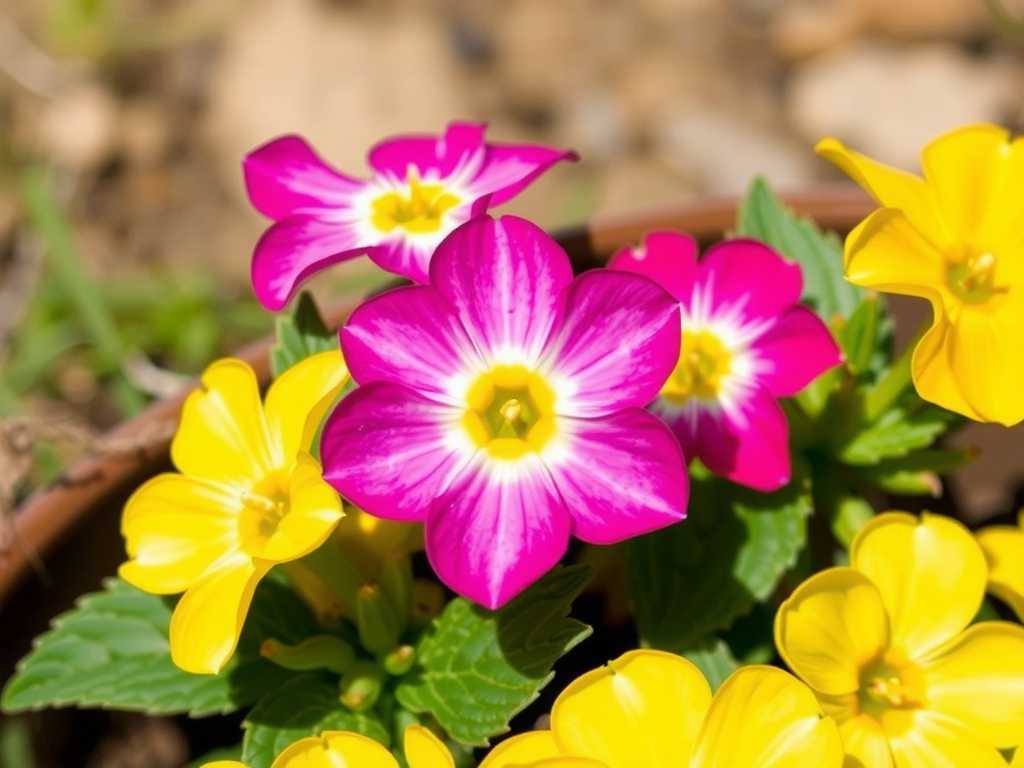
The flower is your most obvious starting point. Don't just note the color; dissect its form.
First, observe the flower arrangement. Is it a single, elegant bloom on a slender stalk rising from a rosette of leaves? You're likely looking at the classic English Primrose (Primula vulgaris). This was my first "aha!" moment. I purchased a small pot labeled simply "Primrose," and its solitary, pale yellow flowers on individual stems were a dead giveaway for P. vulgaris.
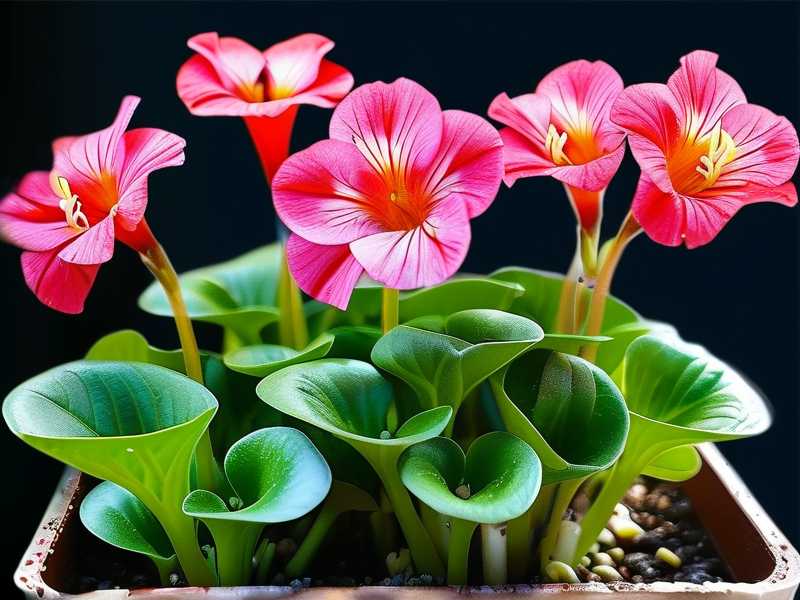
Conversely, does the plant produce a cheerful, rounded cluster of flowers atop a single, sturdy stem? This is an umbel formation. The vibrant Polyanthus Primroses, which are complex hybrids, often exhibit this. I initially confused a robust Polyanthus with a Primula vulgaris because their leaf shapes were similar in the seedling stage. The flower structure was the definitive clue I missed.
Then, look for the candelabra pattern. This is a spectacular and easy-to-spot feature. Here, flowers are arranged in tiered whorls around a tall, central spike, like a botanical wedding cake. The Japanese Primrose (Primula japonica) is a stellar example. I spotted one at a local botanical garden, and its tiered, magenta blooms made identification instantaneous. Other candelabra types include Primula bulleyana and Primula beesiana.
Finally, examine the individual flower shape. Some, like the Drumstick Primrose (Primula denticulata), live up to their name with dense, spherical flower heads. Others have distinctive "eyes." The Primula vulgaris subspecies sibthorpii often has a bright yellow center starkly contrasting the petal color, a trait emphasized by the Royal Horticultural Society (RHS) in their award-winning plant descriptions.
The Leaves Tell a Tale: Foliage as a Fingerprint
When flowers aren't present, the leaves are your secret weapon. I learned this the hard way. I bought a "mystery" primrose in late fall, post-bloom. For two weeks, I waited and researched its foliage.
Feel the texture. Is it heavily veined, wrinkled, and somewhat coarse? This is characteristic of the Polyanthus group and their relatives. The RHS notes this rugose (wrinkled) leaf texture as a key identifier for many garden primulas.
Observe the shape and edge. Primula vulgaris typically has spoon-shaped (spatulate) leaves that taper into the stem, with a softly wrinkled surface. Primula denticulata, even in leaf, hints at its name with finely toothed margins. The Auricula Primrose (Primula auricula) has a unique, often powdery (farinose), succulent-like leaf that forms a distinct rosette.
Check the underside. This was a game-changer for me. Some varieties, like certain Primula japonica cultivars, have a farina (mealy white powder) on the leaf underside and stems. Discovering this dusty coating on my mystery plant was the final clue that pointed me toward the Candelabra section.
Plant Habit and Growing Context: The Big Picture
Step back and look at the plant's overall form and where it's thriving.
Growth pattern: Does it form a low, ground-hugging rosette (Primula vulgaris), or does it send up tall, bold flowering scapes (Candelabra types)? My mystery plant had a basal rosette but was sending up a tall, central stalk with emerging leaf whorls—another nod toward its candelabra identity.
Native habitat clues: This isn't about geography in your garden, but about what the plant prefers. The American Horticultural Society (AHS) stresses understanding plant origins for successful cultivation. Bog garden primroses like Primula rosea or Primula florindae thrive in consistently wet soil, their lush growth giving a habitat hint. My Primula japonica observation was in a damp, shady streamside bed—its natural preference.
My Two-Week Identification Journey: Pitfalls and Solutions
I applied this three-pillar system to five unlabeled primroses in my garden over 14 days.
The Pitfall of Color Reliance: My biggest mistake was fixating on flower color. I assumed a deep red primrose was a unique species. Using the system, I focused on its umbel flower structure and heavily veined, rough leaves. It was clearly a Polyanthus primrose, a common but beautiful hybrid. Color is the least reliable factor, as the Polyanthus group alone comes in almost every hue.
The "Wait and See" Solution for Non-Blooming Plants: For two plants without flowers, I dedicated a notebook page to leaf sketches and texture notes. I recorded leaf shape, margin, hairiness, and underside details. When one finally sent up a drumstick-like bloom, my foliage notes had already narrowed it down to Primula denticulata. The flower confirmed it.
The Micro-Clue of Farina: One plant had subtle white specks on its emerging flower buds. Researching, I learned this farina is crucial for identifying specific Auricula primrose sections and some wild primula species. I hadn't initially noticed it, but close daily observation revealed this key identifier.
What is the easiest primrose to identify for a beginner? Start with the Drumstick Primrose (Primula denticulata). Its perfectly spherical, lollipop-like flower heads on a single stem in early spring are unmistakable. Even after blooming, its oblong leaves with slightly toothed margins are distinctive.
Can I identify primroses by leaf alone? Yes, to a broad category. Heavily wrinkled, coarse leaves often point to Polyanthus types. Smooth, spoon-shaped leaves suggest common primroses. Succulent-like, powdery leaves indicate Auriculas. While you may not pinpoint the exact species without a flower, you can significantly narrow it down, which is incredibly useful when purchasing plants out of season.
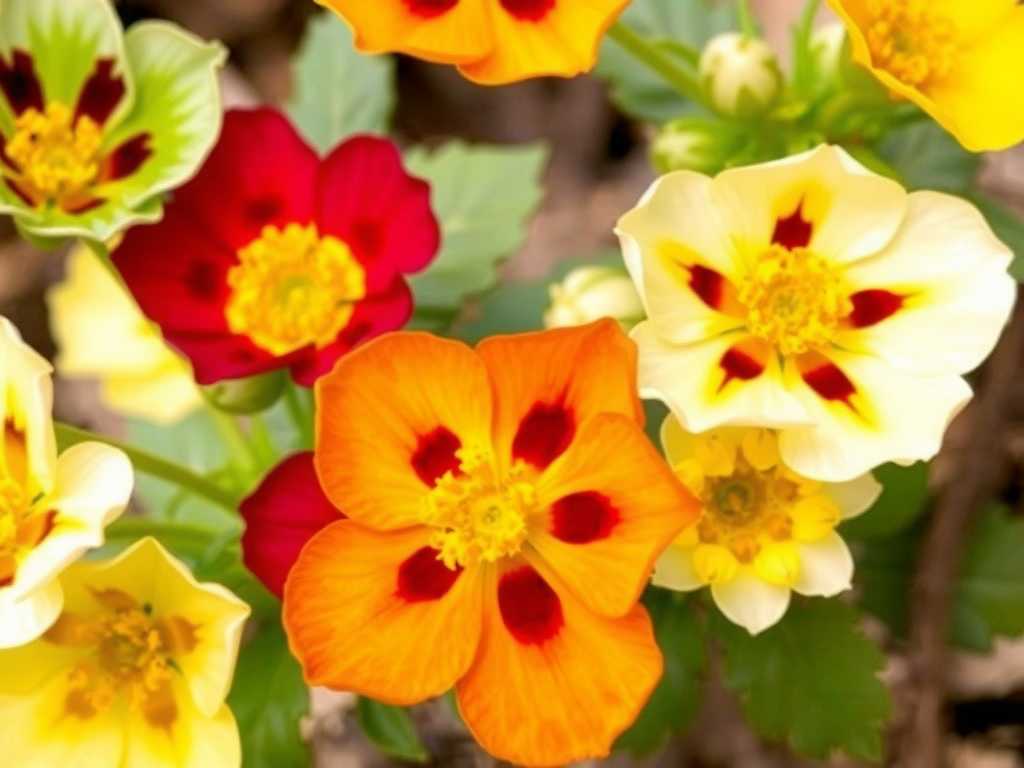
Why does my primrose not match any typical description? You likely have a hybrid. The Polyanthus primrose is a vast hybrid group derived from crossing Primula vulgaris and Primula veris. These hybrids combine traits, which is why focusing on fundamental architecture (flower arrangement, leaf base) is more reliable than minute details. The RHS Plant Finder lists thousands of primula cultivars, so don't worry if yours is unique.
Learning to recognize primrose varieties has transformed my gardening. It moves you from a passive admirer to an engaged botanist. The joy is no longer just in their spring color but in the detective work—the texture of a leaf, the tier of a bloom, the hint of farina on a stem. It connects you to the meticulous work of hybridizers and the logic of plant families. Start with the flower form, cross-reference with the foliage, and consider the plant's posture. With these tools, the once-confusing primrose section becomes a gallery of distinct, recognizable characters, each with a name and story waiting for you to discover.