bluename
 How to Revive a Dying Caladium (Fast Fix)
I know that sinking feeling when caladium leaves start drooping like wet paper. One day your plant looks like a tropical showpiece. The next, it's a sad mess of yellow stems and crispy edges.
Here's the good news. Caladiums are tough underground. Even when everything above the soil looks dead, the tubers are often still alive and ready to bounce back.
I've killed my fair share of caladiums over the years. I've also brought several back from what looked like certain death. The fast fix almost always comes down to one thing: getting the water and light balance right again.
And here's a stat that changed how I care for every plant I own. Roughly 90% of indoor plants die from overwatering. That number comes up again and again in horticultural circles, and once I stopped treating my caladium like a thirsty fern, everything changed.
Let me walk you through exactly what I do to revive a dying caladium, step by step.
What a Caladium Actually Needs (and Why It Matters)
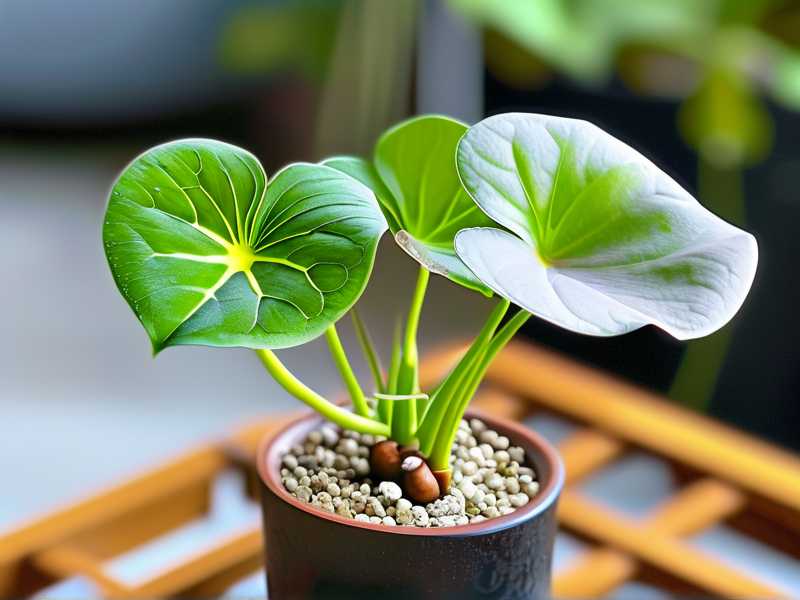
Caladiums are not your average houseplant. They grow from tubers, not regular roots. Those tubers store water and energy. That's why a caladium can look completely dead on top and still have plenty of life left underground.
The RHS notes that caladiums are tender perennials that need warmth and consistent moisture, but never soggy soil. The AHS adds that these plants go dormant naturally when conditions turn unfavorable.
So before you toss your plant in the bin, understand this. A dying caladium is often just a dormant or stressed caladium. The fix depends on which one you're dealing with.
The 2-Week Revival Plan I Actually Use
I want to give you the answer fast, then explain the details.
Week 1: Stop watering immediately. Move the plant to bright, indirect light. Check the tubers. If they're mushy, remove the rotten parts and let them dry for 24 hours. Repot in fresh, well-draining mix.
Week 2: Water only when the top inch of soil feels dry. Keep the plant warm, around 70-75°F (21-24°C). Watch for new shoots emerging from the soil.
In my experience, healthy tubers start pushing up new growth within 10 to 14 days. I've seen it happen with a caladium I was sure was gone. Two tiny pink spears poked through the soil on day 12.
Light: The Make-or-Break Factor
Caladiums want bright, indirect light. Period.
Direct sun scorches those beautiful papery leaves. Too little light and the stems stretch out thin and weak, then flop over.
I learned this the hard way. I once put a caladium on a south-facing windowsill thinking it needed "lots of sun." Within three days, the leaves looked like someone took a blowtorch to them. Crispy brown edges everywhere.
Now I keep mine near an east or north window. Or I set them a few feet back from a south window with a sheer curtain.
If your caladium is already sunburned, move it immediately. Trim the damaged leaves. The plant will redirect energy to new growth.
If it's stretching and pale, it needs more light. Simple as that.
Watering: Where Most People Go Wrong
This is the big one. I can't say it enough. 90% of indoor plants die from overwatering. Caladiums are especially vulnerable because those tubers rot fast in wet soil.
Here's my watering rule. Stick your finger into the soil up to your first knuckle. If it feels moist, wait. If it feels dry, water thoroughly until it runs out the drainage holes.
During the growing season, that usually means watering once or twice a week. In winter, when the plant goes dormant, you might water once every two to three weeks. Or not at all if the foliage has died back completely.
Signs you're overwatering:
- Yellow, mushy stems
- Soil that smells sour or rotten
- Fungus gnats swarming around the pot
- Tubers that feel soft when you squeeze them
Signs you're underwatering:
- Crispy, brown leaf edges
- Leaves drooping dramatically
- Soil pulling away from the sides of the pot
I've done both. Underwatering is easier to fix. Overwatering kills tubers, and dead tubers don't come back.
Soil and Repotting: Getting the Foundation Right
Caladiums need loose, well-draining soil. If you're using standard potting mix straight from the bag, amend it.
My go-to mix:
- 2 parts peat-based potting mix
- 1 part perlite
- 1 part orchid bark
This combo holds just enough moisture without turning into a swamp.
For pots, always choose one with drainage holes. I prefer terracotta because it wicks away extra moisture. Plastic works too, but you need to be even more careful with watering.
Repot caladiums in early spring before new growth starts. If you're reviving a struggling plant, repot anytime. Gently remove the old soil, check the tubers, and replant in fresh mix.
I repot mine every year. After a full growing season, the soil breaks down and compacts, which means poor drainage and higher rot risk.
Fertilizing: Less Is More
Caladiums aren't heavy feeders. I use a balanced liquid fertilizer diluted to half strength. I feed every four weeks during the growing season.
That's it. No fancy schedule. No weekly feeding.
Never fertilize a plant that's already stressed. If your caladium is drooping, yellowing, or recovering from rot, skip the fertilizer. It'll do more harm than good.
Also, never fertilize in winter. The plant is dormant. It can't use the nutrients, and they'll just build up in the soil and burn the tubers.
Seasonal Care: What Changes Throughout the Year
Spring
This is revival season. As temperatures warm up, caladiums wake up. I start watering a bit more frequently and move the plant to its brightest indoor spot. If I'm repotting, this is when I do it. New shoots usually appear within two to three weeks.
Summer
Watch for heat stress. Caladiums love warmth, but temps above 85°F (29°C) can cause wilting. Keep them out of direct sun. Water consistently. Check for spider mites, which thrive in hot, dry conditions.
Autumn
Growth slows down. Leaves start to yellow and droop. This is normal. Don't panic and start overwatering. Reduce watering and stop fertilizing by mid-autumn. Let the plant wind down naturally.
Winter
This is dormancy. In most homes, caladium foliage dies back completely. That's fine. I stop watering entirely once the leaves are gone. I store the pot in a cool, dark spot around 60°F (15°C). Some people dig up the tubers and store them in peat moss. I've done both, and leaving them in the pot works fine as long as the soil stays dry.
Pests and Problems: Quick Diagnosis
Yellow leaves: Usually overwatering. Check the soil. If it's wet, stop watering and let it dry out.
Brown, crispy edges: Underwatering or too much direct sun. Move the plant and water more consistently.
Mushy stems: Root rot. Unpot the plant, remove rotten parts, repot in fresh dry mix. Don't water for a few days.
No new growth: Could be dormancy. Check the tubers. If they're firm, the plant is just resting. Wait.
Spider mites: Tiny webs on leaf undersides. Wipe leaves with neem oil and increase humidity.
Three Mistakes I See New Growers Make Every Time
Mistake 1: Overwatering. This is the number one killer. Caladiums don't want wet feet. Let the soil dry between waterings.
Mistake 2: Wrong light. Direct sun burns them. Deep shade weakens them. Bright, indirect light is the sweet spot.
Mistake 3: Wrong pot. No drainage holes means water sits at the bottom and rots the tubers. Always use a pot with holes.
I made all three mistakes with my first caladium. It was dead within a month. The second one lasted longer because I fixed the pot. The third one thrived once I got the watering right.
Common Questions
Can a caladium come back after all leaves die?
Yes. As long as the tubers are firm and not mushy, the plant can regrow. This is normal dormancy, especially in winter. Keep the soil dry and wait for spring.
How long does it take to revive a dying caladium?
With the right fixes, you'll usually see new growth within two weeks. I've had tubers sprout in 10 days and others take almost three weeks. Patience matters.
Should I cut off dying leaves?
Yes, but only the ones that are fully yellow or brown. Green leaves are still working for the plant. Use clean scissors and cut at the base of the stem.
The Bottom Line
Caladiums are forgiving if you understand what they need. Bright indirect light. Well-draining soil. Water only when the top inch of soil is dry. And warmth, always warmth.
If your plant looks dead, check the tubers first. Firm means hope. Mushy means start fresh with new tubers.
I've brought back caladiums that looked beyond saving. You can too. Just skip the guesswork and follow what the plant is telling you.