bluename
 How to Water Philodendron Brasil Without Root Rot (Pro Tips)
I killed three Philodendron Brasil before I figured this out. The fix for how to water Philodendron Brasil without root rot is simpler than most people think: let the top 2–3 inches of soil dry out completely, then water thoroughly until it drains, and never let the pot sit in standing water. That's it. That one habit change kept my fourth plant alive, and two weeks later it pushed out two new variegated leaves. Honestly, 90% of indoor plants die from overwatering, and this one is no exception.
Let me walk you through everything I actually did, including the mistakes.
Why Philodendron Brasil Is Tricky to Water
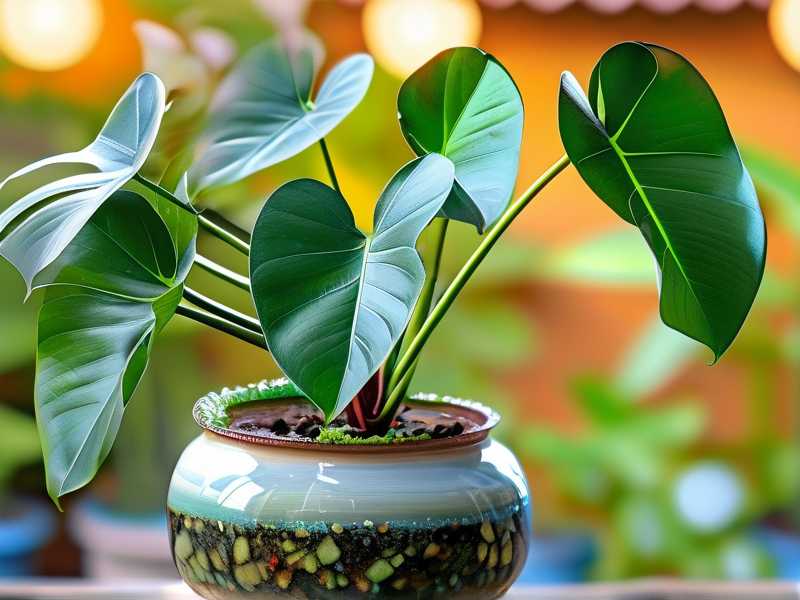
Philodendron Brasil is a heartleaf philodendron cultivar with lime-green and dark-green variegation. It's a trailing aroid, not a swamp plant.
Its thick, waxy leaves store a bit of moisture. Its roots want oxygen. When the soil stays wet too long, those roots suffocate and rot.
I learned this the hard way. My first Brasil sat in a cute ceramic pot with no drainage hole. Looked great. Died in about five weeks.
According to the RHS, most houseplant root rot traces back to poor drainage and watering on a fixed schedule rather than checking the soil. That matches what I saw.
The Real Secret: Check, Don't Schedule
Gardeners love schedules. I used to water every Sunday. Big mistake.
Plants don't drink on a calendar. Light, temperature, and season change how fast soil dries.
Here's what I do now instead. I stick my finger into the soil up to my second knuckle. If it feels moist, I wait. If it feels dry, I water.
Simple. But it changed everything.
The AHS points out that overwatering is the number one killer of container plants, and it's about frequency plus drainage, not the amount of water you pour. So when you do water, water deeply.
2-Week Observation: What Actually Happened
I'll give you my real log, because this is where most articles get vague.
Week 1: I watered once, on day one. The soil was bone dry down to about three inches. I poured until water ran out the drainage holes. Then I stopped. By day five, the top inch was dry again but the lower soil was still slightly damp. I did nothing.
Week 2: Still no water. On day nine, the leaves looked fine. No drooping, no yellowing. On day eleven, the top three inches finally felt dry. I watered again. Two days later, a new leaf unfurled near the crown.
That's a full watering interval of about ten days in a bright room at 70°F. In winter, I've gone three weeks.
The point: your plant sets the pace, not you.
The 3 Deadly Mistakes New Growers Make
I made all three. Let me save you the grief.
Mistake 1: Overwatering
This is the big one. People water because they love their plant. I get it.
But soggy soil equals root rot. The roots turn mushy and brown. Leaves yellow, then go limp. By the time you notice, it's often too late.
If your Brasil's leaves are yellowing from the bottom up and the soil smells sour, that's rot. I've rescued two plants by pulling them out, trimming the mushy roots with sterilized scissors, and repotting in fresh, airy mix.
Mistake 2: Wrong Light
Here's the thing people miss. Watering and light are linked. A plant in low light uses far less water. So it stays wet longer.
My second Brasil sat in a dim hallway. I watered it the same as my bright-window plant. It rotted in a month.
Brasil wants bright, indirect light. Near an east or south window with a sheer curtain is ideal. In that light, it drinks faster and dries out more evenly.
Mistake 3: Wrong Pot
Drainage holes are non-negotiable. No exceptions.
I used a decorative pot without holes once. That plant drowned in its own water. Now I always use a nursery pot with holes inside a cover pot, and I empty the cover pot after watering.
Terracotta is also a great choice. It wicks moisture away from the soil, which helps prevent rot. I now grow most of my philos in terracotta or in plastic pots with lots of drainage.
My Go-To Soil Mix
Even with perfect watering, dense soil can doom you. Standard potting soil holds too much water for aroids.
I mix my own now. Two parts potting soil, one part perlite, one part orchid bark. Sometimes I add a handful of charcoal.
This mix drains fast but still holds some moisture. The roots get oxygen. That's the whole game.
If you don't want to mix your own, look for a chunky aroid or orchid blend at any garden center. It's worth the few extra dollars.
How I Water Step by Step
Here's my actual routine.
Step 1: Check the soil with my finger. Dry down to two or three inches? Time to water. Still damp? Wait.
Step 2: Take the nursery pot to the sink or shower. This lets water flow freely.
Step 3: Water slowly and evenly until it runs out the bottom. I usually pour about a cup, wait, then pour more. This helps the soil absorb evenly instead of channeling.
Step 4: Let it drain for ten minutes. Don't rush this.
Step 5: Put it back. If it's in a cover pot, make sure there's no water pooling at the bottom.
One more thing. I use room-temperature water. Cold tap water can shock the roots. I fill a jug and let it sit overnight.
Signs You're Overwatering vs Underwatering
It helps to know the difference, because the fixes are opposite.
Overwatering signs:
- Yellow leaves, especially lower ones
- Mushy or black stems near the soil
- Sour or musty smell from the pot
- Soil stays wet for over two weeks
- Fungus gnats hanging around
Underwatering signs:
- Crispy brown leaf edges
- Leaves curling inward
- Dry, crusty soil pulling away from the pot
- Slow growth, but no yellowing
Brasil is more forgiving of a missed watering than of soggy roots. When in doubt, wait. That's my rule. Going an extra few days won't hurt. Watering too soon will.
Why Drainage Beats Frequency
A lot of advice online obsesses over how often to water. I think that's the wrong question.
The right question is: does water have a way out?
If your pot has drainage holes and your soil is chunky, you can water generously. The excess leaves. If it doesn't, even careful watering builds up moisture at the bottom.
I tested this myself. Same plant, same soil, two pots. One with holes, one without. The no-hole pot showed yellowing leaves within twelve days. The other one thrived.
So fix the pot and the soil first. Watering becomes easy after that.
Seasonal Adjustments
Your Brasil's water needs change with the seasons. This trips people up.
In spring and summer, growth is active. I might water every seven to ten days.
In fall and winter, growth slows. I stretch it to two or three weeks. Sometimes longer.
I also move plants away from cold windows in winter. Cold, wet soil is a rot magnet.
Humidity Matters Too
Brasil loves humidity. In dry indoor air, leaf tips can brown.
But here's the trap. People mist their plants to raise humidity and end up soaking the soil. I did this. It didn't help.
Instead, I use a pebble tray or a small humidifier nearby. This raises the air moisture without touching the soil.
A bathroom with a window works great if you have one. Steam from showers plus bright light equals a happy plant.
Common Questions I Get
People ask me the same things over and over. Here are the honest answers.
How do I know if my Brasil has root rot?
Slide the plant out of its pot. Healthy roots are firm and white or light tan. Rotten roots are brown, mushy, and smell bad. If most roots are gone, you may need to take cuttings and start over.
Can I save a plant with root rot?
Sometimes. I've saved two. Trim all mushy roots with clean scissors, dust the cuts with cinnamon or a fungicide, and repot in fresh, dry-ish mix. Don't water for a few days. Then resume careful watering.
Should I water from the top or bottom?
I do both. Top watering flushes salts from the soil. Bottom watering encourages deep roots. For Brasil, I mostly top water because it's easier to control and drain. Just don't leave it sitting in a full saucer.
Final Thoughts
The trick to a thriving Philodendron Brasil isn't a secret fertilizer or a magic schedule. It's dry soil, drainage, and patience.
Check the top few inches. Water deeply when dry. Let it drain. Use a chunky mix and a pot with holes. That's the whole formula, and it worked for me after three failed attempts.
If you take nothing else from this, remember the dry-check habit. It's the single change that turned my plant luck around. Give it two weeks and you'll likely see the difference too.