bluename
 I’ve killed more Rhaphidophoras than I’d like to admit. The first one? Gone in three weeks. The second? Root rot within a month. It wasn’t until I stopped treating them like regular houseplants and started studying their actual watering needs that everything clicked. If you’re here, you’re probably dealing with the same issue. Let me save you the heartbreak. The direct answer to watering Rhaphidophoras without root rot is this: water only when the top 2-3 inches of soil are completely dry, use a chunky, well-draining mix, and always ensure your pot has drainage holes. That’s the core. And 90% of indoor plants die from overwatering, so you’re not alone in this struggle.
Why Rhaphidophoras Are So Prone to Root Rot
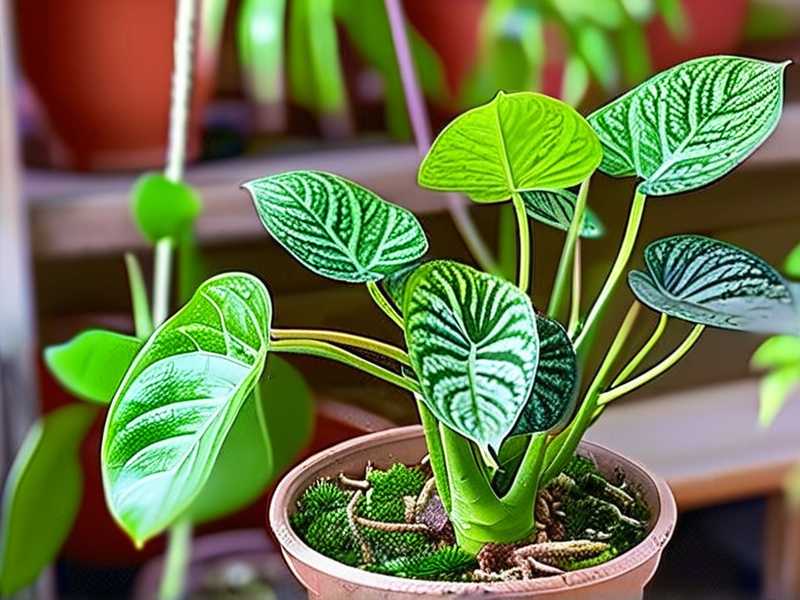
Rhaphidophoras, especially the popular Rhaphidophora tetrasperma (often called the Mini Monstera), are epiphytes by nature. In the wild, they cling to trees and their roots are exposed to air and rain, then they dry out quickly. When we put them in dense potting soil, we’re suffocating those roots. They need oxygen as much as they need water. Once the roots stay wet for too long, they start to break down, and that’s the beginning of the end.
I remember reading a study from the RHS about aeration in potted plants, and it stuck with me. Their advice? Mimic the natural habitat as closely as possible. That means airy soil, consistent but moderate moisture, and zero standing water. The RHS has great guidelines on this, and honestly, their practical advice saved my third plant.
The 3 Deadly Mistakes Beginners Make (and How to Avoid Them)
Mistake #1: Watering on a Schedule
I used to water every Monday. Rain or shine. It didn’t matter if the soil was still damp. This is the fastest way to kill any Rhaphidophora. I promise you, your plant doesn’t care what day it is. It cares about moisture levels. I learned this the hard way when my second plant’s leaves turned yellow and mushy at the base. The roots were literally swimming.
The fix: Stop counting days. Stick your finger into the soil up to your second knuckle. If it feels dry, water. If it feels cool or damp, wait two more days and check again.
Mistake #2: Keeping Them in Low Light
Here’s something I didn’t realize at first: light affects how fast the soil dries. In low light, my Rhaphidophora barely drank anything. The soil stayed soggy for two weeks straight. That’s a recipe for disaster. I had placed it in a corner that got zero direct light, thinking it would be fine. It wasn't. The roots rotted quietly while the leaves looked okay, until suddenly they didn’t.
The fix: Give your plant bright, indirect light. A spot near an east-facing window is perfect in my experience. The extra light helps the soil dry out faster and encourages stronger root growth.
Mistake #3: Using Pots Without Drainage
I can't stress this enough. I once used a beautiful ceramic pot with no hole. I thought I could manage by being careful. I was wrong. Water pooled at the bottom, unseen, and the roots sat in it for days. That pot became a swamp. The plant didn't stand a chance.
The fix: Always use a pot with drainage holes. If you love the decorative pot, use it as a cachepot. Keep the plant in a plastic nursery pot with holes, and take it out when you water. Let it drain completely before placing it back.
My Pro Watering Method That Worked After 2 Weeks of Testing
I wasn’t going to let another plant die. So I developed a strict routine and tested it for two full weeks. Here’s exactly what I did, step by step.
Step 1: Check the Soil with a Moisture Meter
I bought a cheap moisture meter off Amazon. Best $10 I ever spent. I stick it into the soil, about halfway down the pot. If the meter reads "dry," I know it's time. If it says "moist" or "wet," I close the lid and walk away. Simple.
Step 2: Use the "Soak and Dry" Method
When the soil screams dry, I take the whole pot to the sink. I water thoroughly until I see water streaming out of the drainage holes. This ensures the entire root ball gets hydrated, not just the top. Then I let it sit there for 10-15 minutes to fully drain. I never let the pot sit in a saucer of water. That’s the death sentence.
Step 3: Temperature Check on the Water
Cold water can shock the roots. I use room-temperature water, always. I keep a watering can filled in the living room so it’s ready when the plant needs it. No one wants a cold shock on their barely-warm roots, right?
Step 4: Observe New Growth Daily
This is the fun part. During my 2-week test, I took photos almost every morning. I wanted to see how the leaves responded. The new unfurling leaf stayed healthy, firm, and green. The aerial roots seemed more hydrated. The soil dried out in about 6-7 days consistently in my environment. I watched my plant thrive.
Step 5: Pot Size and Material Matters
I learned that too big a pot holds too much water. My previous pot was 8 inches for a small plant. The roots couldn’t reach the edges, so the soil stayed wet for ages. I downsized to a 5-inch terracotta pot. Terracotta is amazing because it wicks moisture away from the soil. It helps the soil dry evenly. I felt this was a critical change.
My Results After 14 Days
After two weeks of this method, the difference was night and day. The leaves were perkier. The old yellowing spots stopped spreading. The roots I checked (I gently slipped the plant out of the pot) were firm and white, not brown and mushy. It took about 14 days to see clear visual improvement on the foliage. I was finally confident my plant was on the mend.
How to Tell If Your Rhaphidophora Is Too Wet (Early Signs)
Catching root rot early is the only way to save the plant. I ignore the leaves at first. The leaves can look sad from both over and under watering. The first place I check is the smell. If the soil smells sour or musty, it’s rotting. Trust your nose, it knows.
Then I look at the stem near the soil line. If it feels soft or squishy, that’s bad news. Healthy stems are firm. Also, check if there are tiny fungus gnats flying around. Those little bugs love wet soil. If you see them, you’re overwatering. I saw them constantly back when I had my soggy phase.
Yellow leaves are a late sign. By that time, some roots are already gone. Don’t panic, but act fast.
What to Do If You Already Have Root Rot
So you pulled the plant out and the roots are brown and slimy. It looks sad. But I’ve saved plants from this state before. Don't throw it in the trash yet.
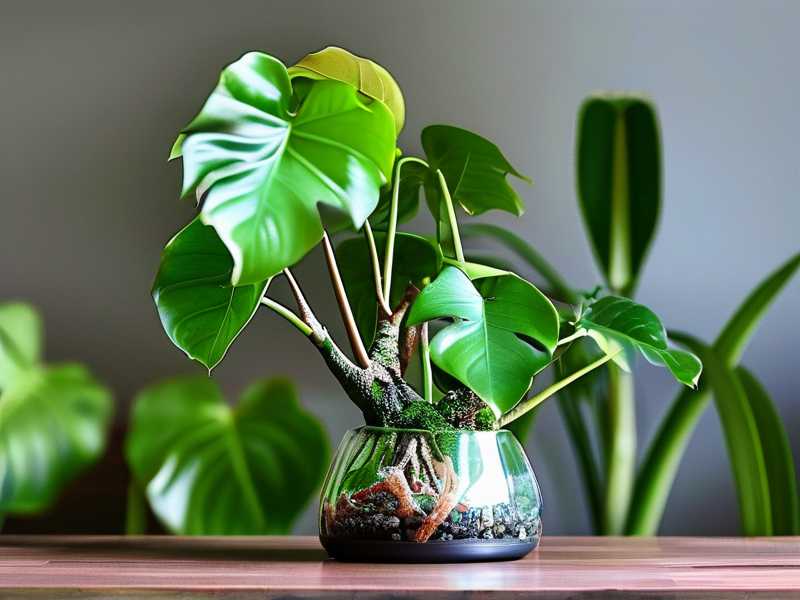
First, rinse the roots under lukewarm water. Gently wash off all the old soil. Then, take a pair of clean scissors and cut away all the mushy, rotten roots. Be aggressive here. If you leave any rot, it will spread. I cut away almost half the root system on one plant and it survived.
Next, soak the remaining roots in a mix of 1 part hydrogen peroxide (3%) and 3 parts water for about 15 minutes. This kills any remaining bacteria. Let the roots air dry for an hour or two.
Finally, repot in a fresh, sterile, chunky mix. I use a mix of orchid bark, perlite, and regular potting soil in equal parts. This mix is crucial for future prevention. Water sparingly for the first week to allow the roots to settle.
The Best Soil Mix to Prevent Overwatering
I can't overstate this. Soil is 70% of the battle. If your soil holds water for 10 days, it doesn't matter how careful you are with watering. I tried a dense bag of "moisture control" soil once. Huge mistake. It stayed wet like a sponge forever.
Now I mix my own. Here’s my recipe:
- 1 part high-quality indoor potting mix
- 1 part perlite (for aeration)
- 1 part orchid bark (for chunky drainage)
- A handful of horticultural charcoal (to keep the mix fresh)
This mix drains rapidly. When I water it, the water flows out the bottom within seconds. The roots get the water they need, but they also get air. This combination is what the AHS suggests for epiphytic species, and honestly, it works flawlessly. I’ve been using this for months and haven’t lost a single plant since.
Seasonal Watering Adjustments
You have to change your habits with the seasons. In the summer, my Rhaphidophora drinks like crazy. It’s actively growing, and the warm air dries the soil faster. I check it every 4-5 days. In the winter, it’s a completely different story.
When the heating kicks in, the air gets dry, but the plant slows down. It doesn’t need as much water. In winter, I water maybe once every 10-12 days. Honestly, I sometimes forget it exists, and it’s fine. The top soil stays dry longer. I never force water on it in winter.
Also, if you live in a humid area, you might water less. If you live in a dry desert climate, you might water more. Use your finger, not the calendar.
Light and Humidity: The Supporting Cast
Watering is half the job. The environment helps the soil dry. I keep my Rhaphidophora in a spot that receives bright, filtered light all morning. The afternoon sun is too harsh, and I’ve seen leaf burn from direct rays. But morning light does wonders for photosynthesis and water uptake.
Humidity is a double-edged sword. High humidity is great for leaf health, but it also slows down soil evaporation. In my experience, average household humidity (around 40-50%) is perfect. I don't use a humidifier near this plant because I found it kept the soil damp longer. I just group it with other plants to create a micro-climate.
Common Misconceptions About Watering Rhaphidophoras
"They Need Constant Moisture"
Some people say tropical plants should never dry out. That’s true for some species, but not for Rhaphidophoras. They are epiphytes. They are used to drying out between rainstorms. Constant moisture is a one-way ticket to rot city.
"Bigger Pots Are Better"
I bought a huge pot for a small plant, thinking it would have room to grow. The plant hated it. The soil volume was too large, and the roots couldn't absorb the water quickly enough. The soil stayed wet for 3 weeks. The roots suffocated. Match the pot size to the root ball. Only go up 1-2 inches in diameter when repotting.
"Yellow Leaves Always Mean Too Much Water"
Not always. Sometimes yellow leaves on the bottom are just old age. But if the yellow leaves are mushy and the soil is wet, that’s overwatering. If the yellow leaves are crispy and the soil is dry, that’s underwatering. Context matters.
My Favorite Pro Tip: The "Lift the Pot" Test
This is something I started doing recently, and it’s a game-changer. Pick up the pot after watering. Note how heavy it feels. Then, when you think it might be dry, lift it again. If it feels significantly lighter, water it. If it still feels heavy, skip it.
It doubles as a great workout for the arm, honestly. But it’s a more accurate test than just my finger. My finger can only reach so deep. The weight tells me about the whole pot.
I often combine this with the moisture meter. If the meter says "dry" and the pot feels light, I water. If the meter says "dry" but the pot feels heavy, I wait another day. That heavy weight means there’s still water deeper down.
How to Water from the Bottom (and When to Do It)
Top watering is great, but sometimes I bottom water. This is beneficial if the soil has become so dry it repels water. The water runs down the sides and out the drainage holes without wetting the middle.
To bottom water, I fill the sink with an inch or two of room-temperature water. I place the pot in the sink and wait for 20-30 minutes. The water wicks up through the drainage holes via capillary action. This ensures the entire root ball is hydrated from the bottom up.
After the top feels moist, I take the pot out and let it drain thoroughly. This method is great for a soil health reset. I do this once every month or so. It helps prevent dry pockets in the soil, which is a subtle cause of root dieback.
Final Thoughts on Keeping Your Root System Happy
Watering a Rhaphidophora without killing it isn’t hard, but it requires observation. You have to watch your plant and react to its needs. I’ve realized that my plants are not on a fixed schedule. They are living things that change with the seasons, the light, and the temperature.
My main rule now is: when in doubt, don’t water. A dry plant will bounce back quickly. A plant with rotten roots might not. Trust me, I’ve seen both sides. I’d rather underwater any day than overwater. The margin for error is much higher on the dry side.
FAQ: Your Watering Questions Answered
How often should I water my Mini Monstera?
There’s no set number. It depends on your environment. In typical indoor conditions with bright indirect light, check the soil every 5-7 days. Water when the top 2-3 inches are dry. In winter, extend this to every 10-14 days.
Can I use ice cubes to water my Rhaphidophora?
I would advise against it. Ice cubes are too cold and can shock the tropical roots. Also, they deliver water unevenly. Always use room-temperature water for consistent hydration.
What is the best pot material for preventing root rot?
Terracotta is my personal favorite. It’s porous and allows the soil to breathe and dry out quickly. Plastic pots hold in moisture, so if you use them, you must be more careful with your watering frequency. Glazed ceramic pots look nice but also hold water like plastic.