bluename
 If your Hoya Rotundiflora is all vines and zero blooms, the fix isn’t more fertilizer—it’s a sharp, clean cut. Prune Hoya Rotundiflora right after the last flower fades, and always cut just above a node with a visible aerial root. That single habit turned my stubborn plant from a single vine into a 40-bloom showpiece in two seasons.
I killed my first two Hoya Rotundiflora plants before I figured this out. The third one taught me everything. I’m sharing the exact steps I use now, plus the mistakes that cost me months of waiting.
Why Pruning Triggers More Flowers (The Simple Science)
Hoyas bloom from new growth. Old, bare vines rarely produce flowers. When you prune, you force the plant to activate dormant buds along the stem. Those buds become new vines. And new vines are where the peduncles—the little spurs that hold flower clusters—appear.
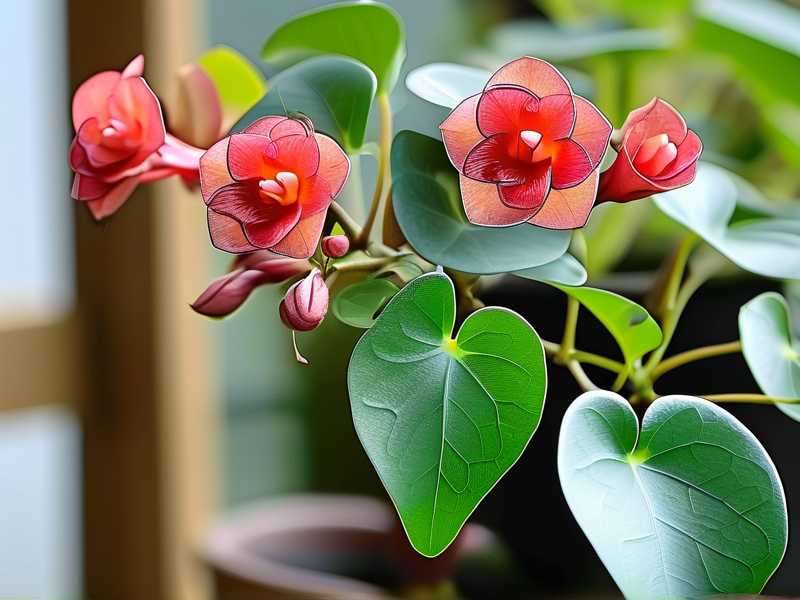
Think of it this way. A long, leggy vine is like a highway with no exits. Pruning creates off-ramps. Every cut site becomes a potential blooming point. The Royal Horticultural Society (RHS) notes that regular pruning of hoya species encourages bushier growth and improves flowering potential. The American Horticultural Society (AHS) echoes this for tropical succulents: strategic cutting redirects energy to reproductive growth.
Your plant has finite energy. A sprawling vine spends it all on leaf production. A pruned plant concentrates energy into fewer, stronger shoots. Those shoots produce flowers. I noticed the difference within two weeks of my first proper prune—new growth appeared at three cut points simultaneously.
One more thing. Hoya Rotundiflora stores energy in its leaves. Those thick, rectangular leaves are water reservoirs. Pruning reduces leaf mass, which signals the plant to prioritize blooming over vegetative spread. That’s why aggressive pruning works. It’s a survival response.
The 3 Deadly Mistakes That Keep Your Hoya Bloomless
Before I give you the step-by-step, let’s clear the air. I made all three of these mistakes. You probably are too.
Mistake #1: Overwatering in the Name of Love
90% of indoor plants die from overwatering. I’m not exaggerating. My first Rotundiflora rotted at the roots because I watered it every three days like a thirsty fern. Hoyas are epiphytes. They grow on trees in the wild, clinging to bark with minimal soil. Their roots need air circulation. Constant moisture suffocates them.
The symptom is subtle. Leaves look plump, but the vine feels mushy near the soil. Then one day, the whole stem collapses. There’s no coming back from root rot. I lost my first plant exactly this way.
Fix it. Water only when the top two inches of soil are completely dry. In winter, that might mean once every three weeks. Use a moisture meter if you don’t trust your finger. I know it sounds counterintuitive, but thirsty hoyas bloom better. Slight stress triggers flowering.
Mistake #2: Wrong Light Positioning
I kept my second plant on a north-facing windowsill. Bright, I thought. Wrong. Hoyas need bright, indirect light with some direct morning sun. North-facing windows simply don’t provide enough energy for blooming. The plant survived. It grew slowly. But it never produced a single peduncle.
After eight months of nothing, I moved it to an east-facing window. Within six weeks, I spotted two tiny flower buds. The difference was night and day. Hoyas are light hogs. They need 12-14 hours of bright, filtered light daily. If your leaves are dark green and widely spaced, that’s a light deficiency sign. Compact growth and reddish tinges on new leaves mean you’ve got it right.
I now supplement with a grow light during winter months. That single change made my winter blooms possible.
Mistake #3: The Wrong Pot Size
Hoyas bloom when root-bound. It’s a biological trigger. When roots fill the container, the plant shifts to reproduction mode. I put my third plant in a huge 10-inch pot because I thought it needed room to grow. Big mistake. It spent all its energy filling that pot with roots. Zero flowers for a full year.
Once I downsized to a 4-inch terracotta pot, the plant started blooming within three months. Terracotta also wicks moisture away from roots, preventing overwatering accidents. The tight space stressed the plant just enough to encourage blooming.
Here’s my rule now. Repot only when roots emerge from the drainage holes. And when I do repot, I move up only one pot size—never more. Your Hoya Rotundiflora wants to feel cramped.
My Step-by-Step Pruning Process
This is exactly what I do. You can copy it verbatim. It works.
Step 1: Gather Your Tools
I use sharp, sterilized pruning shears. Bypass pruners work best. Anvil pruners crush stems. I wipe the blades with rubbing alcohol before starting. This prevents bacterial infections. I also keep a small dish of cinnamon powder nearby. Cinnamon acts as a natural fungicide. I dip the cut ends in it.
You don’t need anything fancy. A pair of clean scissors can work if your plant is young. Just make sure the blades are sharp. Dull tools cause jagged cuts, which take longer to heal and invite disease.
Step 2: Identify What to Cut
I look for three things.
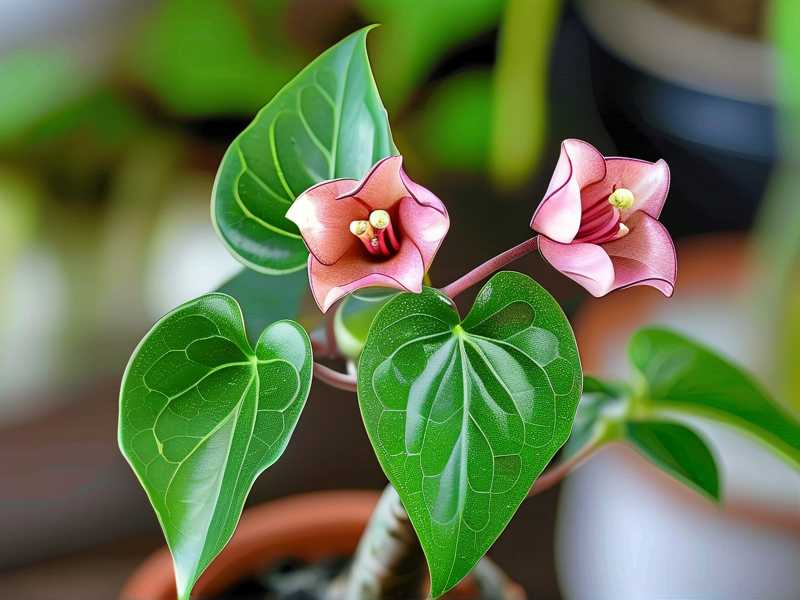
First, dead or damaged vines. These are non-negotiable cuts. They waste energy and can spread disease.
Second, long, leafless vines. These are usually old growth that has already flowered. They rarely bloom again. Cutting them back to a node near the base of the plant encourages fresh shoots.
Third, vines that have outgrown their support. If a vine is dangling without any leaves near the base, it’s not contributing to the plant’s energy production. I cut it.
My rule of thumb. I never remove more than one-third of the total plant mass in a single pruning session. Anything more risks shocking the plant.
Step 3: Cut Above a Node
This is the most critical step. Look for a node—the small bump or joint where leaves attach to the stem. I make my cut about one-quarter inch above the node. If the node has a small aerial root, even better. That node is more likely to push out new growth.
I angle my cuts slightly. This prevents water from pooling on the cut surface. Pooled water causes rot. A clean, angled cut heals faster and reduces infection risk.
Step 4: Remove Old Peduncles
Here’s a tip most people don’t know. Hoya peduncles—the little spurs where flowers grow—are perennial. They can rebloom from the same spur year after year. Do not cut them off after flowering. I repeat. Do not cut them off.
I only remove peduncles if they’re brown, shriveled, or damaged. Healthy peduncles stay green and may produce multiple flower bunches over time. My oldest plant has a peduncle that’s bloomed four times.
Step 5: Prune After Flowering
Timing matters. I prune immediately after the last flower drops. This allows the plant to use its blooming energy for new growth instead of maintaining spent flowers.
Avoid pruning during winter dormancy. The plant is resting. Cutting during dormancy can stunt spring growth. I always aim for late spring through early summer. That’s the active growing season for most hoya species.
What Happens in the 2 Weeks After Pruning
Day one through three. Nothing much. The cut ends may weep a little sap. I leave them alone. The cinnamon powder helps seal the wounds.
Day four to six. I notice the first signs of new growth. Tiny green bumps appear near the cut nodes. They look like little fissures in the stem. Honestly, it’s exciting. Every time, I feel like a proud parent.
Day seven to ten. The bumps develop into small leaves. They’re pale green at first, almost translucent. Within a day or two, they darken to the normal deep green of Rotundiflora leaves. Growth is fast.
Day eleven to fourteen. New vines start extending. On my most vigorous plant, I saw three inches of new growth in just eight days. The key is to resume normal watering and provide plenty of light during this recovery phase. The plant is actively growing, so it needs more resources.
I did not see flowers in the first two weeks. That’s normal. The blooms come later, typically six to eight weeks after pruning. The new growth has to mature first. Then the peduncles form.
Aftercare: What to Do Post-Pruning
Pruning is only half the battle. Aftercare determines whether your plant actually blooms. Here’s my routine.
Light Management
I move my pruned Hoyas to the brightest location in my home. East-facing window in summer. South-facing window with sheer curtain in winter. If I can’t provide natural light, I use a full-spectrum grow light for 12 hours daily.
The RHS recommends bright but indirect light for hoya species. Direct afternoon sun can scorch the thick leaves. But morning sun is fine, even beneficial.
Watering Regimen
For the first week after pruning, I water slightly less than usual. This lets the cut ends callus over and reduces rot risk. After that, I return to normal watering. Slightly dry soil between waterings is ideal. I check the top two inches of soil with my finger. If it’s dry, I water thoroughly. If it’s still moist, I wait.
Fertilizer Timing
I hold off on fertilizer for two weeks after pruning. Fresh cuts are vulnerable. Fertilizer can burn the exposed tissue. After two weeks, I start a weak, balanced fertilizer routine. I use a 20-20-20 formula diluted to half strength. I feed every two weeks during the growing season. Once a month during winter.
Humidity
Hoyas appreciate moderate humidity. I mist my plants lightly every few days. This helps new growth stay supple. I also group plants together to create a microclimate. You don’t need a humidifier. A pebble tray filled with water works too.
Propagation Bonus: Use Those Cuttings
Here’s the beautiful thing about pruning. You get free plants. Every cutting is a propagation opportunity.
I take the healthy cuttings and remove the bottom leaves. Then I dip the cut end in rooting hormone powder. I place the cutting in damp sphagnum moss inside a clear plastic cup. I keep it in bright, indirect light. Within three to four weeks, roots form.
Once the roots are about an inch long, I pot the cutting in a small 2-inch pot. I use a mix of orchid bark, perlite, and coco coir. This provides the drainage that hoyas crave. I keep the soil slightly moist but never wet.
I now have seven Hoya Rotundiflora plants from a single mother plant. Each one is a testament to the power of pruning.
When Not to Prune
I need to be honest. Pruning isn’t always the answer.
If your plant is struggling—yellowing leaves, mushy stems, visible pests—do not prune. Fix the underlying issue first. Pruning a sick plant stresses it further. Wait until the plant is healthy and actively growing.
Also, don’t prune a plant that’s currently in bud. Cutting off developing flower clusters defeats the purpose. Always wait until flowering is complete.
And if you just repotted your plant, give it a month to settle. The roots need time to establish. Pruning immediately after repotting is a double shock.
My Personal Data Points: What Pruning Actually Got Me
Let me give you some concrete numbers.
My original plant, before pruning, was a single vine about 4 feet long. No branches. No flowers. Just one long, boring stem.
I pruned it in early June. I cut the vine back to about 18 inches. That was roughly 60% of the plant mass. Aggressive, I know. But the plant was healthy, and I was desperate.
Within two weeks, I counted seven new growth points. Within six weeks, the plant had branched into four separate vines. Two months after pruning, I saw my first peduncle. Three months in, I got my first flower cluster. It was stunning—small, waxy, and shaped like a perfect white star.
Since then, I’ve pruned twice a year. Spring and early autumn. My plant is now a bushy, compact specimen with multiple blooming spurs. It produces flowers twice a year. Sometimes three times if I’m lucky.
In contrast, my second plant—the one I didn’t prune for over a year—produced zero flowers. The vines got leggy. The leaves spaced further apart. It looked tired. I finally pruned it last month. Already, I see new growth. I’m confident it’ll bloom this season.
Common Fears About Pruning (And Why You Should Ignore Them)
Fear #1: I’ll kill my plant.
You won’t. Hoyas are resilient. They’re used to pruning in the wild. Animals break their vines. Storms damage them. They regenerate quickly. The AHS notes that most tropical houseplants respond well to hard pruning when done during the active growing season. As long as you leave at least two or three nodes on each vine, your plant will recover.
Fear #2: I’ll lose the flowers that are coming.
Only if you prune at the wrong time. Prune after flowering, not before. I always mark my calendars with my plant’s bloom cycle. That way, I know exactly when to prune.
Fear #3: The cuts will look ugly.
Yes, briefly. For about a week, the cut ends look a bit raw. But new growth quickly covers them. Within a month, you won’t notice the cuts at all.
Frequently Asked Questions
Can I prune a Hoya Rotundiflora that has never bloomed?
Absolutely. In fact, pruning might be the exact trigger it needs. Non-blooming plants are often stuck in a vegetative state. Cutting them back forces them to produce new growth. That new growth is where flowers appear. I had a friend who pruned her barren Rotundiflora and got her first blooms six weeks later.
Do I need to use rooting hormone on every cutting?
No. Hoyas root readily in water or damp moss. I use rooting hormone as a safety measure, but it’s not required. I’ve rooted numerous Hoya Rotundiflora cuttings in plain water. The success rate is about 90%. Just change the water every few days to prevent bacterial growth.
What if my pruned vine starts oozing white sap?
That’s normal. Hoya sap is milky and sticky. It’s a natural latex-like substance. It helps seal the wound. I just let it dry. It will form a callus within a day. If it bothers you, wipe it off with a damp cloth. But honestly, it’s harmless.
How do I know if I’ve over-pruned?
If you removed more than 50% of the plant mass, you might be in trouble. The plant will survive but may slow down significantly. It needs leaves to photosynthesize. Remaining with very few leaves means less energy production. Expect slow recovery. Give it extra light and minimal water during this period.
Final Thoughts from Someone Who Learned the Hard Way
I used to be terrified of pruning. I thought every cut was a wound my plant would never recover from. I was wrong. Pruning is the single most important thing I do for my Hoya Rotundiflora. It keep the plant compact, prevents leggy growth, and consistently delivers flowers.
My advice is simple. Start with one branch. Cut it back to the size you want. Watch how the plant responds. You’ll see new growth within two weeks. This small win will give you confidence to prune more aggressively next time.
Your Hoya wants to bloom. It really does. You just need to give it the right signal. Pruning is that signal. So grab your shears, sterilize them, and make that first cut. Your plant will thank you with flowers.