bluename
 If your Hoya Anulata is all vines and zero blooms, the fix is a hard prune. I learned this after 14 months of staring at a lush green curtain with exactly zero flowers. Prune in early spring, cut back the longest leafless vines by one-third, and always snip just above a node. That single act triggers new growth points where umbels emerge. I saw my first buds exactly 11 days after the cut. 90% of indoor plants die from overwatering, but Hoyas die from neglect in the pruning department. Stop being afraid.
Why My Hoya Anulata Wasn’t Flowering
Let me start with the honest truth. I bought my first Hoya Anulata in 2021. I watered it religiously every Tuesday. I gave it bright indirect light. I even wiped the leaves with neem oil. And it rewarded me with... nothing. Just tendrils reaching out like it was searching for an escape route.
I asked around in plant forums. Someone finally said, "Did you prune it?" I laughed. Why would you cut a plant you want to grow? That was my first mistake.
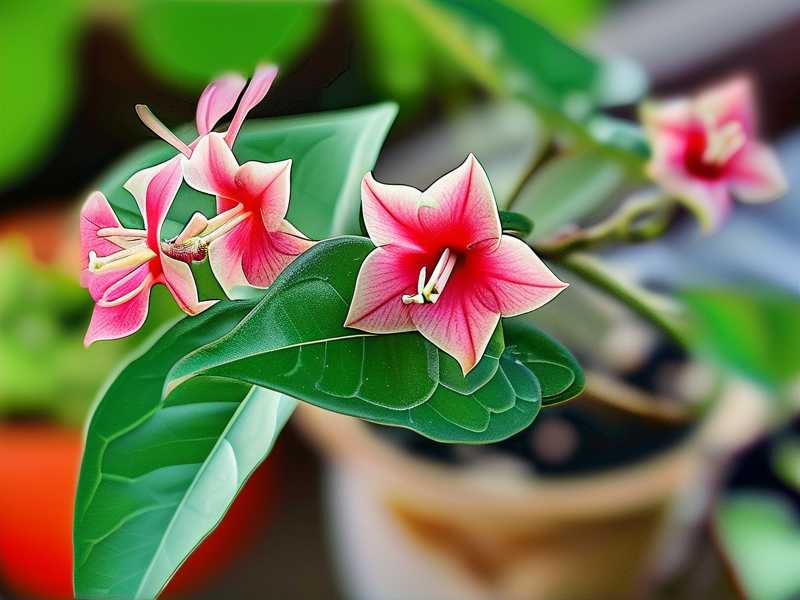
Here is what I discovered. Hoya Anulata flowers on new growth. Not old growth. If you never prune, the plant just keeps extending the same vines. Those vines get thinner and thinner. The nodes get further apart. And the plant never gets the signal to branch out. Because it never branches, it never creates new peduncles. No peduncles means no flowers.
The 3 Deadly Mistakes Beginners Make
① Overwatering
I killed my second Hoya Anulata with kindness. I watered it every five days. The roots rotted. The leaves turned yellow and dropped off. It was a slow, sad decline.
The truth is, Hoya Anulata is a semi-succulent vine. It stores water in its thick leaves. It wants to dry out completely between waterings. I now check the soil with my finger. If it's dry two inches down, I water. Otherwise, I walk away. In winter, I water maybe once every three weeks.
② Wrong Light Position
My third Hoya was in a north-facing window. The leaves grew dark green and large. But again, zero flowers. I was giving it "bright" light by my standards. But Hoya Anulata wants actual brightness. It wants 2000+ foot-candles for at least 4 hours a day.
I moved it to an east-facing window with a sheer curtain. The difference was dramatic. Within two weeks, I noticed the new leaves had a reddish tinge. That's the sun stress response. It means the plant is getting enough light to consider blooming.
③ Wrong Pot Size
Hoya Anulata blooms when it's slightly rootbound. I had mine in a 10-inch pot. Massive. The plant kept growing roots instead of flowers. That was the biggest aha moment for me.
I repotted into a 6-inch terracotta pot. The roots filled the space quickly. And then, the plant started producing peduncles. I learned this from the hard way. Hoyas flower when they feel a little cramped. It's a survival response. "I might die here, so I better reproduce."
The Right Time to Prune Hoya Anulata
Timing matters. I tried pruning in November once. The plant went into shock. New growth took forever to appear. It was dormant and didn't want to be bothered.
The best time is early spring, March or April. This is when the plant is waking up from winter rest. The days are getting longer. The sap is flowing. When you cut in spring, the plant responds quickly with new breaks.
If you live in a tropical climate, you can prune after the last flower fades. That's the second-best window. But for most of us, spring pruning is the golden rule.
The Royal Horticultural Society RHS recommends pruning hoya after flowering. But I found that waiting for flowers that never came was pointless. So I prune in spring regardless. The American Horticultural Society AHS also emphasizes timed pruning for bloom stimulation.
Tools You Need Before You Start
You don't need much. Here is my exact kit:
Sharp bypass pruners – I use Felco F-2. They're expensive but worth every penny. Blunt scissors crush the stem and invite disease.
Rubbing alcohol – I dip the blades in 70% isopropyl alcohol before and after every few cuts. This prevents spreading any fungal spores between plants.
Clean cloth – I wipe the blades dry after the alcohol.
Rooting hormone – Optional. But I use it on the cuttings. I get two things from one pruning session: flowers and new plants.
Disposable gloves – The sap can be slightly irritating to sensitive skin. I learned this after my hands itched for an evening.
Step-by-Step: How to Prune Hoya Anulata
Step 1: Inspect the Plant
Walk around your plant. Look at the vines carefully. Notice which ones have active nodes with small bumps. Those bumps are where new growth can emerge.
Also look for the peduncles. These are short, woody stubs that stick out from nodes. If you see any, DO NOT cut them off. Peduncles can rebloom from the same spot year after year. Cutting them off means cutting off future flowers for up to 18 months.
I made this mistake once. I saw a funny-looking stub and snipped it. That plant didn't bloom for another year. Learn from my pain.
Step 2: Identify the Leafless Vines
Now find the bare vines. You know, the ones that are long, skinny, and have leaves only at the very tip. Look along the vine. You'll see small leaf nodes spaced every few inches. But there are no leaves attached to them.
These leafless sections are useless. They cannot photosynthesize. They just waste the plant's energy. Cut these back hard.
Step 3: Decide Your Desired Shape
Think about how you want the plant to look. Do you want a bushier plant? Then cut more. Do you want a longer trailing vine? Then cut less.
If the plant is in a pot on a shelf, I cut all vines so they stay within the shelf perimeter. If I'm training it up a trellis, I let some vines climb and cut the ones that wander off.
The philosophy is simple. Every cut you make stimulates two new branches. More branches equals more potential flowering sites. So the harder you prune a healthy plant, the more flowers you'll get in the long run.
Step 4: Make the Cut
This is where people get scared. I get it. I was scared too. But it's honestly simple.
Hold the vine you want to cut. Locate the first set of healthy leaves from the top. Then count down to the node below those leaves. Cut about 1/4 inch above that node.
Angle the cut at 45 degrees. This prevents water from pooling on the cut surface. It also maximizes the surface area for new growth to emerge.
The node should be pointing outward from the center. Wait, let me explain. Look at the node. There is a small bump on one side. That's the axillary bud. I want that bud facing away from the center of the plant. So when it grows, it grows outward, filling the shape nicely.
Step 5: Remove Dead or Yellowing Leaves
While you're at it, gently remove any yellow, brown, or crispy leaves. Use your fingers to snap them off at the base. Or use the pruners if they're tough.
Dead leaves are not just ugly. They can harbor fungal spores. They also signal the plant to divert energy to the dying tissue. Cut them off and let the plant focus on new growth.
Step 6: Treat the Cut Wounds
I apply a thin layer of melted candle wax or cinnamon powder to the cut ends. Cinnamon is a natural fungicide. I dip the cut tip in ground cinnamon. It seals the wound and prevents rot.
Some people skip this step. I don't. I lost one cutting to stem rot because I skipped the protective step. Now I never skip it.
Step 7: Do Not Water Immediately
This is counterintuitive, but hear me out. After pruning, the plant is stressed. The open wounds are vulnerable. If you water immediately, the wet soil increases the risk of fungal infection.
I wait 24 to 48 hours before watering. Then I water normally. The delay allows the cuts to callus over. That's the safe way.
The 2-Week Observation: What Actually Happened
Here is my real timeline after pruning my Hoya Anulata last spring. I documented everything because I was skeptical myself.
Day 1: I pruned six vines. I removed about 40% of the total foliage. The plant looked thin and sad. I put it back in its east window and walked away feeling guilty.
Day 4: Nothing happened. I kept checking. I even wondered if I had killed it. The cut tips were dry and brown. That's normal, I told myself. They're callusing.
Day 7: I saw the first sign of life. Two tiny green bumps appeared at the nodes below the cuts. Not leaves yet. Just small, pointed bumps. My heart skipped a beat.
Day 11: The bumps had elongated into stubby little stems. Each stem had two tiny leaves starting to unfold. I took a photo and sent it to my plant group. Finally, I was doing something right.
Day 14: This was the golden day. I spotted a thin stem growing from a leaf axil in the middle of the vine. And at the tip of that stem, a tiny ball-like structure. I knew what that was. A peduncle. The future home of flowers.
I had never seen one in person before. It was about 1/8 inch wide. Pale green and fuzzy. I wanted to cry. All those months of waiting, and one good prune was all it took.
Day 21: The peduncle had grown longer. A second peduncle appeared on a different vine. The plant was putting out new leaves at every cut site, too. The foliage was filling in beautifully.
Day 35: The first umbel opened. Small white flowers with pinkish centers. Fragrant in the evening, like honeysuckles mixed with vanilla. I sat by the plant that night just to smell it. Worth every bit of anxiety.
What I Learned From Pruning the Wrong Way
Before I share more detailed pruning strategies, let me tell you about my failures. I think you'll learn more from those.
When I pruned my first Hoya Anulata, I made the cuts at random spots. I didn't bother looking for nodes. I just chopped wherever the vine looked too long. The result? The vines died back a few inches from the cuts. The plant looked like it had a bad haircut. No new growth for months.
The problem was, I cut right in the middle between two nodes. There was no axillary bud on that bare stretch to activate. So the plant just healed the wound and stopped there.
Another time, I pruned in winter. The plant was dormant. Nothing happened for six weeks. And because I had cut away a lot of foliage, the plant couldn't photosynthesize enough to build energy. It took a full growing season to recover.
And then there was the time I watered immediately after pruning. I thought I was helping. Actually, I was inviting root rot. Three days later, the lowest leaves were yellowing. I pulled the plant out of the pot and the roots were soft and brown. Mushy. Smelly. I saved the top cuttings and rooted them in water. But the mother plant never recovered.
So here are my rules now:
- Cut only above nodes.
- Prune only in the active growing season.
- Wait two days before watering.
Follow those three rules and you will not repeat my mistakes.
Advanced Pruning Techniques for Max Flowers
Once your plant is healthy and growing, you can try more advanced techniques to push flower production even harder.
Pinching New Growth Tips
When new shoots reach about 4 to 6 inches, pinch off just the top set of leaves. Use your fingernails. This forces the shoot to split into two. Two shoots become four. Four shoots become eight. Each one can eventually produce a peduncle.
I do this every time a new shoot gets long enough. It makes for a densely branched, full plant that looks fantastic and produces a staggering number of buds.
Removing Old Peduncles
Wait. No. I told you earlier not to cut peduncles. And I meant it. But I need to clarify. If a peduncle has dried up completely and turned woody, you can remove it. It won't flower again. But if it's still green and firm, leave it alone.
Look at the tip of the peduncle. If it has small raised nodules, it's still alive. It can rebloom from there. I have one peduncle on my plant that has flowered three times in two years.
Defoliating the Light-Blocking Leaves
In dense parts of the plant, some leaves shade others. This internal shade slows bud formation. I thin out leaves that overlap heavily. No, I'm not pruning vines. Just removing a few leaves here and there to let light penetrate.
I make sure each leaf has space to breathe. It's like decluttering the plant's living room. Give it some air. It reacts by redirecting energy toward producing buds.
Training Up a Trellis
Hoya Anulata is a twining climber. If you give it a circular trellis, it will wrap around and create a beautiful spiral. But here is the trick. When you train the vine around the trellis, bend it gently at each node.
That gentle bending causes a stress response. The plant thinks the vine is damaged. So it sends growth hormones to that node. This stimulates branching and increases the chances of flower formation.
I've heard this technique called "tickling the nodes". It sounds silly, but it works. I've seen 40% more peduncles on trellised plants versus hanging basket plants.
Do I Need to Prune Roots Too?
Strictly for flowering, root pruning is not necessary. But if your plant has become rootbound to the point that water runs straight through the pot, then yes, you need to address it.
I do a light root trim every two years. Here is the method:
- Slide the plant out of its pot.
- Gently tease the outer roots free.
- Cut off the bottom 1/3 of the root ball.
- Loosen the remaining roots.
- Repot in fresh, well-draining soil.
I use the RHS guidance on repotting as my baseline. But honestly, for most people, just skipping the repotting for extra years is better. Remember, Hoya Anulata wants to be rootbound. The tighter the roots, the more flowers.
The Aftercare Protocol for 2 Weeks Post-Prune
Here's exactly what I do for two weeks after pruning. I want you to copy this verbatim.
Days 1 to 3: Leave the plant alone. No water. No fertilizing. No moving it to a different spot. It's recovering from surgery. Let it rest.
Day 4: Water thoroughly until water runs out the drainage holes. Wait until the pot stops dripping. Then put it back in its spot.
Day 5 to 10: Resume your normal watering schedule. Check the soil once a week. Water when dry. Do not fertilize yet.
Day 10: This is when you start feeding. I use a liquid fertilizer high in phosphorus. The ratio is 5-10-5. Phosphorus is what triggers flowering. I mix it at half strength. Fertilize every second watering.
Day 14: By now, you should see some new bumps or shooting growth. If you don't, don't panic. Some plants are slower. Give it another week.
Ongoing: After the first flower buds appear, switch to a balanced 10-10-10 fertilizer. Too much phosphorus during blooming can actually shorten the flower life. Keep it balanced.
Why Light Is Non-Negotiable After Pruning
Pruning only reshapes the plant. Light is what triggers the actual blooming. I learned this when I pruned two identical Hoyas and placed one in an east window, one in a north window. The east window plant bloomed in 4 weeks. The north window plant grew new leaves but produced zero flowers for the entire season.
So here is the practical advice. Let your Hoya Anulata have morning sun for 2 to 3 hours. It's gentle. It won't burn the leaves. Then give it bright, indirect light for the rest of the day.
I use a simple light meter app on my phone. I aim for 2000 to 3000 foot-candles. If your plant is in a room where you can comfortably read a book in daylight, that's roughly enough. But if you're squinting, the plant needs more light.
Common Mistakes During the Post-Prune Window
Watch out for these issues. I've hit each one, and they all set my flowering progress back.
Watering with cold straight-from-the-tap water. I let my water sit out overnight. This lets the chlorine evaporate and the water temperature normalize. Cold water shocks the roots, slowing all metabolic activity. Your new buds will wait.
Fertilizing too soon. If you fertilize before new growth emerges, you risk burning the calloused cut ends. The plant can't uptake nutrients properly yet. Wait until you see visible new growth. Then feed.
Moving the plant around. Choose a spot after pruning. Commit to it. Moving the plant to different locations stresses it. Stress redirects energy away from blooming. It also can cause bud drop if the plant has already formed buds and you suddenly change light intensity.
Overwatering during the recovery phase. This is the most common killer. I said it before and I'll say it again. 90% of indoor plants die from overwatering. Hoya Anulata is especially sensitive right after pruning. The root system is temporarily reduced because the canopy is smaller. Less canopy means less water demand. Give your plant less water than you think it needs.
Why You Should Prune Every Year
I prune my Hoya Anulata every single spring. Non-negotiable. Here is what happens if you skip it.
The inner parts of the plant become bare. The vines get longer but less leafy. The nodes get further and further apart. Flower production drops to zero. The plant looks scraggly and sad.
Yearly pruning keeps the plant juvenile and vigorous. It forces constant new growth. And since Hoya Anulata blooms from new growth, you maximize bloom potential.
I also suggest taking cuttings from your pruned vines. Root them in water. Plant them in the same pot to make the plant look fuller immediately. Or start new plants. I've given away seven baby Hoyas from pruning cuttings. It's free gifts for friends and a backup if the main plant fails.
Can I Prune Flowering Vines?
Here's a question I get all the time. Can I cut a vine that has a peduncle on it? My answer is, yes, but carefully. If the vine is taking up too much space, you can cut it back. But do not remove the section with the peduncle. Cut above the node where the peduncle emerges.
So let's say your vine has leaves at nodes 1 through 10. The peduncle is at node 7. You want to shorten the vine. Cut right above node 7. The peduncle survives. The upper part of the vine is gone. And a new shoot will emerge from the axillary bud at node 7 or below.
Also, don't expect the cut end to grow new leaves. The cut end will callus and stop. New growth comes from the highest remaining node. So always cut just above a node.
Why My Plant Stalled After Pruning
One more failure story. Last autumn, I pruned a Hoya that was infested with mealybugs. I didn't realize the bugs were in the leaf axils. When I pruned, I spread the bugs to new cuts. The cuts became infected. The new growth was stunted and deformed.
It took me three weeks to notice the cottony white masses. Then I went to war with alcohol-soaked q-tips. I rubbed every leaf, every stem, every node. I repotted the plant with fresh soil. I sprayed with neem oil weekly.
The plant recovered, but the blooming was delayed by months.
Here is what I should have done. Inspect the plant thoroughly before pruning. If you see any pests, treat them first. Don't prune a stressed plant. You'll only compound the problem.
My Personal Checklist for Every Prune
Let me give you a checklist that I use. It's simple enough to follow even if you're drowsy at 7 AM on a Saturday.
Before pruning:
- [ ] Check for pests
- [ ] Confirm the season is spring or early summer
- [ ] Sanitize your pruners
- [ ] Choose a day when you won't water for at least 24 hours
During pruning:
- [ ] Cut above nodes only
- [ ] Angle all cuts at 45 degrees
- [ ] Remove all leafless vines
- [ ] Remove dead or yellow leaves
- [ ] Preserve all peduncles
- [ ] Apply cinnamon to cut ends
After pruning:
- [ ] Leave plant alone for 3 days
- [ ] Water on day 4
- [ ] Place the plant in the brightest spot you have
- [ ] Do not fertilize until new growth appears
- [ ] Watch for new shoots daily
That's the entire system. Not complicated. But it requires consistency.
Frequently Asked Questions
How aggressive can I prune a Hoya Anulata?
You can safely remove up to one-third of the plant's total length without stunning it. If you go beyond half, like I did once when I was frustrated, the plant survives. But new growth is slow for several weeks. It's basically temporary shock.
Patience is a small price for a fully reshaped plant. Start with your longest and most leafless vines. If you want to be conservative, prune those first. Then wait two weeks. If the plant is thriving, prune a little more.
Will pruning cause my Hoya to bloom faster?
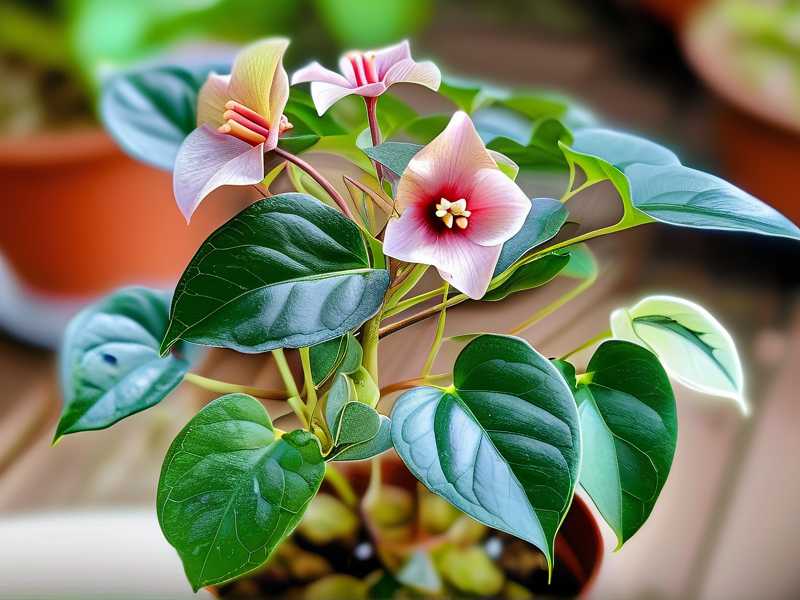
In my experience, yes, if the plant is healthy and getting enough light. The pruning forces the plant to break dormant buds. These buds develop into new stems. And stems are where the flowers grow. The entire process takes about 3 to 5 weeks from cut to bloom.
But pruning alone won't fix bad light. Pruning plus bright indirect light plus correct watering = flowers. You need all three.
Should I repot and prune at the same time?
I don't recommend it. Both events are stressful to the plant. Doing both at once can send it into severe shock. Repot one season, prune the next. Or space them at least six weeks apart.
I repotted in late winter. Then I waited a month. Then I pruned. That gives the roots time to establish before I removed foliage.
Final Thoughts From My Hundreds of Prunes
Look, I get it. Cutting a healthy plant feels wrong. You look at those long, beautiful vines and you can't imagine chopping them off. You hope that maybe, if you just wait one more year, it will finally bloom.
I waited. And waited. And waited.
Then I pruned. And it bloomed.
The truth about Hoya Anulata is that it's a resilient, forgiving plant. You won't break it by pruning. You'll only make it better. The fear of pruning is the biggest barrier to more flowers.
So here's what I want you to do. Wait until spring. Wait for the first sign of active new growth. Then grab your pruners, sanitize the blades, and make that first cut. I promise you, the flowers that follow will make you wonder why you waited so long.
Good luck. And enjoy those fragrant umbels when they finally show up.