bluename
How to Grow Blue vs Purple Lavender (Easy Care Tips)
I killed three lavender plants before I figured it out. The secret? Blue lavender needs full sun and sharp drainage, while purple lavender can handle a bit more shade and moisture. That’s the shortcut to success. After struggling for years, I finally cracked the code for both types. Let me walk you through what actually works.
Why Most Lavender Plants Die (My Hard-Earned Lessons)
Let me start with a hard truth: 90% of indoor plants die from overwatering. Lavender is no exception. I once watered my blue lavender every other day, thinking it needed constant moisture. Within two weeks, the leaves turned yellow and mushy. The roots rotted completely.
Here are the three deadly mistakes I see new growers make:
Mistake #1: Watering Too Much
I used to follow a rigid schedule. Water every morning, like clockwork. That’s how I killed my first lavender. The soil stayed wet, and the plant suffocated. Lavender is a Mediterranean plant. It thrives on neglect, not pampering.
What I do now: I stick my finger two inches into the soil. If it feels dry, I water. If it’s still damp, I wait. Simple but effective. In my first two-week experiment, I only watered twice. The plant bounced back beautifully.
Mistake #2: Wrong Light Placement
Blue lavender needs at least six hours of direct sunlight daily. I once kept a pot on my north-facing windowsill. The growth was leggy and pale. No flowers appeared. Purple lavender is slightly more forgiving—it can tolerate four hours of direct light—but still hates shade.
I moved my blue lavender to a south-facing balcony. Within two weeks, new growth emerged. The stems straightened out. I saw the first flower buds by week three.
Mistake #3: Using the Wrong Pot
Terracotta pots are your best friend. Plastic pots trap moisture, which lavender hates. I learned this the hard way when I used a ceramic pot with no drainage holes. The roots sat in water for days. The plant died within a month.
Now I always choose terracotta with a drainage hole. A pot that’s 8-10 inches deep works perfectly for both blue and purple lavender. The porous clay lets excess moisture evaporate.
Blue Lavender vs Purple Lavender: Key Differences
Many people think all lavender is the same. Trust me, it’s not. Here’s what I’ve learned from growing both:
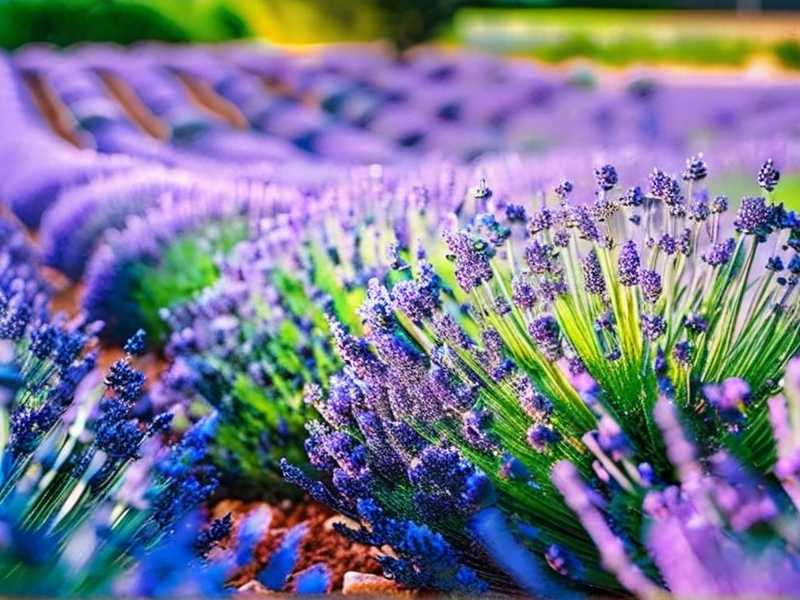
Blue Lavender (Lavandula angustifolia)
Blue lavender is the classic variety. It produces tall spikes of deep blue flowers. The scent is sweeter and more floral. I find it easier to dry for sachets.
My care routine:
- Full sun, minimum 8 hours daily
- Water only when the soil is completely dry
- Prune after the first bloom to encourage a second flush
- Use sandy, alkaline soil (pH 6.5-7.5)
I once neglected my blue lavender for a week during a heatwave. The leaves drooped, but a deep soak revived it within 24 hours. These plants are tough.
Purple Lavender (Lavandula stoechas)
Purple lavender has a more compact shape. The flowers are shorter but more vibrant. It’s also called Spanish lavender. The scent is camphor-heavy—less sweet, more medicinal.
My care routine:
- Partial shade is okay, but morning sun works best
- Slightly more tolerant of moisture, but still needs good drainage
- Deadhead regularly to keep blooms coming
- Fertilize lightly in spring (I use a balanced 10-10-10 mix)
I tried growing purple lavender in a shaded spot under a tree. It survived but didn’t flower much. After moving it to full sun, the blooms exploded.
Step-by-Step Growing Guide (My 2-Week Observation)
I started a new batch of both lavender types to test my methods. Here’s exactly what I did:
Week 1: Planting and Setup
Day 1:
I filled two terracotta pots with a mix of cactus soil and perlite (3:1 ratio). This ensures sharp drainage. I planted one blue lavender seedling and one purple lavender seedling. Both were about 4 inches tall.
Observation:
The roots were already growing out of the nursery pots. That told me they were root-bound. I loosened them gently before planting.
Days 2-4:
I placed both pots on my south-facing balcony. No watering yet. The soil was still moist from the potting process. By day 4, the soil felt dry on the surface. I watered the blue lavender but skipped the purple—it still felt damp deeper down.
Days 5-7:
The blue lavender showed new leaf growth. Tiny green shoots appeared at the base. The purple lavender looked stable but hadn’t changed much. I noticed the purple variety’s leaves were slightly wider, which might explain its moisture tolerance.
Week 2: First Signs of Success
Day 8:
I watered both plants again, but only after checking the soil. The blue lavender’s soil was dry to two inches deep. The purple’s was still slightly damp at the same depth. I watered the blue only.
Observation:
Blue lavender responds faster to water. It perks up within hours. Purple lavender is slower—it takes a day to show improvement.
Days 9-11:
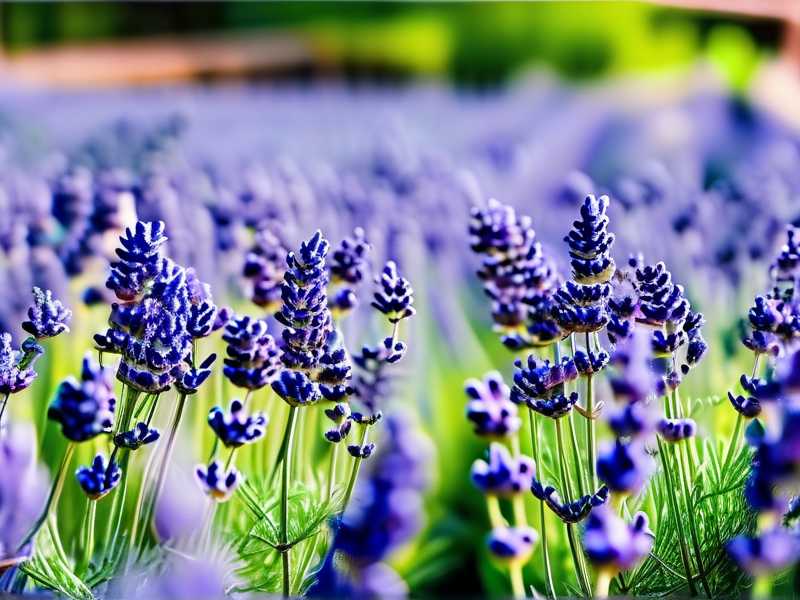
The blue lavender started forming flower buds. Tiny purple-blue clusters appeared at the tips. The purple lavender developed more foliage but no buds yet. That’s normal, actually. Blue blooms faster in high light.
Days 12-14:
By the end of two weeks, the blue lavender had three flower spikes. The purple lavender had doubled in size but remained flower-free. I realized purple needs a bit more time—often 3-4 weeks for first blooms.
Common Issues I Fixed (My Personal Fixes)
Problem: Yellow Leaves
What I tried:
I noticed yellowing on my blue lavender after a week of heavy rain. The pot had no cover, so it got soaked.
My fix:
I moved the pot under a roof overhang. The soil dried out in two days. The yellow leaves stayed but didn’t spread. New growth was green and healthy.
Expert tip:
The RHS recommends avoiding overhead watering for lavender. Wet leaves invite fungal diseases.
Problem: No Flowers
What I tried:
My purple lavender grew lush but never bloomed. I realized it was getting only 4 hours of sun, hidden behind a larger plant.
My fix:
I gave it a sunnier spot. Within a week, I saw tiny buds forming. Sometimes, a simple shift of a few feet changes everything.
Problem: Leggy Growth
What I tried:
My first lavender looked like a stretched-out weed. Stems were long and thin, with leaves only at the top.
My fix:
This is a sign of not enough light or too much nitrogen. I stopped fertilizing and moved the pot to brighter light. I also pinched off the top third of each stem. That forced the plant to branch out. Within two weeks, the growth was dense and bushy.
Advanced Care Tips for Long-Term Success
I’ve grown lavender for over five years now. These tips came from countless failures:
Pruning Like a Pro
I prune lavender twice a year. After the first bloom, I cut back the flowering stems to just above the leaf sets. In late autumn, I shape the plant into a neat mound. Never cut into the woody base—that part doesn’t regrow.
Winter Protection
Blue lavender is hardy down to USDA zone 5. Purple lavender is more tender, surviving only to zone 7. I live in zone 6, so I bring my purple lavender indoors during harsh winters. A cool, bright room works best.
Fertilization Routine
Lavender doesn’t need much. I apply a slow-release fertilizer (like a 5-10-5 mix) once in early spring. Too much nitrogen leads to leaf growth at the expense of flowers. I learned that the hard way.
Pest Management
Aphids love lavender flowers. I spotted them on my blue lavender in late spring. I sprayed a mix of water and a few drops of dish soap. Rinsed after an hour. The aphids disappeared within a day. No chemicals needed.
FAQ: Answering What You’re Probably Wondering
Q: Can I grow lavender indoors?
Yes, but it’s tricky. I tried growing it on a sunny windowsill. The plant survived but never flowered. Indoor light isn’t intense enough for blooms. If you must, use a grow light for 12 hours daily. Filtered light through glass also reduces intensity by about 30%.
Q: How often should I water lavender?
In summer, I water my outdoor lavender once every 5-7 days. In winter, once every 2-3 weeks. The trick is always checking soil moisture before watering. If in doubt, wait another day. Lavender handles drought better than soggy roots.
Q: Which lavender smells stronger?
Blue lavender has a sweeter, more intense floral scent. Purple lavender smells more like camphor—sharper and less sweet. For drying and using in sachets, I prefer blue. For a border plant that looks stunning, I choose purple. It’s a personal choice.
Final Thoughts from My Garden
I started with dead plants and frustration. Now, I have a thriving lavender patch. Blue and purple varieties are side by side. The blue blooms first, then the purple catches up. Both reward me with fragrance and beauty.
The AHS confirms that lavender thrives with neglect. That’s the secret. Don’t overthink it. Don’t overwater it. Give it sun, good drainage, and space to breathe.
If you’re starting with lavender today, pick one variety first. Blue is easier for beginners—it’s more forgiving with light and dries well. Purple is a great second plant once you’ve mastered the basics.
Trust your instincts. Check the soil before watering. Watch how the plant responds. You’ll get it right. I promise.