bluename
How to Care for Climbing vs Groundcover Roses: A Complete Guide
I’ve killed four rose plants before I figured this out.
Let me save you the heartache.
Here’s the truth: climbing roses need vertical support and consistent pruning, while groundcover roses thrive with minimal fuss and proper spacing.
That’s it. Straight answer in the first 100 words.
But the devil is in the details, and I’ve stumbled through every single one.
Why Most Rose Beginners Fail (And How You Can Avoid It)
I remember my first climbing rose.
I planted it against a fence, watered it daily like a nervous parent, and watched it turn yellow within two weeks.
The problem? I was drowning it.
Here’s a shocking stat: 90% of indoor plants die from overwatering, and the same logic applies to roses outdoors.
I learned the hard way that roses hate wet feet.
The Three Deadly Mistakes Newbies Make
Mistake 1: Overwatering Like It’s a Pool Party
I used to water my groundcover roses every evening.
I thought, “More water means happier roots.”
Wrong.
Within two weeks, the leaves turned brown at the edges.
The roots were rotting in soggy soil.
Fix: Stick your finger two inches into the soil. If it’s damp, skip watering.
For climbing roses, water deeply once a week, not daily.
The Royal Horticultural Society (RHS) backs this up—consistent moisture, not constant wetness.
Mistake 2: Placing Roses in the Wrong Light
I once put a climbing rose in a shady corner near my garage.
It looked pitiful—spindly stems, no blooms.
After two weeks of sulking, I moved it to a south-facing wall.
The difference was night and day.
Climbing roses need at least six hours of direct sunlight daily.
Groundcover roses can handle partial shade, but they bloom better in full sun.
AHS (American Horticultural Society) experts agree: sunlight is non-negotiable for robust growth.
Mistake 3: Using the Wrong Container or Support
I tried a small plastic pot for a groundcover rose.
Big mistake.
Roots got cramped, and the plant looked stressed within two weeks.
Switch to a wide, shallow pot (12 inches deep minimum) with drainage holes.
For climbing roses, never skimp on support.
I used a flimsy trellis once—it collapsed under the weight of one season’s growth.
Heavy-duty wire or wooden trellises work best.
Understanding the Core Difference: Climbing vs Groundcover Roses
What Are Climbing Roses?
These are vigorous plants that can reach 10–20 feet tall.
They need something to latch onto—fences, arches, or walls.
I’ve trained mine over a pergola, and the result is a stunning canopy of flowers.
They bloom on old wood or new wood depending on the variety.
That means pruning timing matters a lot.
What Are Groundcover Roses?
These are low-growing shrubs that spread horizontally.
They rarely exceed 2–3 feet in height.
Perfect for sloping gardens or filling bare patches.
I have a patch near my driveway that was a muddy mess.
Two groundcover roses later, it’s a carpet of pink blooms.
They’re more forgiving than climbers, but they still need care.
Step-by-Step Care Routine I Swear By
Step 1: Planting the Right Way
I dig a hole twice as wide as the root ball but no deeper.
For climbing roses, place the graft union (the knobby part) two inches below soil level.
This prevents dieback in cold winters.
For groundcover roses, space them 2–3 feet apart.
I learned this after overcrowding my first batch—they competed for nutrients and looked pathetic.
Add compost to the soil, but avoid fresh manure.
It burns roots.
Step 2: Watering Schedule That Works
Frequency:
- Climbing roses: deep watering once a week (more in heatwaves).
- Groundcover roses: every 5–7 days, depending on rain.
I check soil moisture by feeling the top inch.
If it’s dry, water. If not, wait.
I used a moisture meter once, but it broke after two weeks.
Finger test is just as reliable.
Amount:
Water until it runs out the drainage holes (for pots) or saturates the root zone (for ground).
I give each climbing rose about 5 gallons per watering.
Groundcover roses need less—around 2 gallons per plant.
Step 3: Feeding for Vigorous Growth
I fertilize every four weeks during the growing season (spring to summer).
Use a balanced fertilizer like 10-10-10.
I burned my first climbing rose by overfeeding.
The leaves turned crispy and dropped within two weeks.
Follow package instructions strictly.
For organic options, fish emulsion works great.
It smells terrible, but the roses love it.
Step 4: Pruning Like a Pro
Climbing Roses:
Prune after the first flush of blooms (usually late spring).
Cut back side shoots to 3–4 buds.
Remove dead or diseased wood first.
I neglected pruning for a year, and my climber turned into a tangled mess.
Flowers were sparse, and pests moved in.
Now I prune annually, and it rewards me with double the blooms.
Groundcover Roses:
Prune in early spring before new growth starts.
Shear them back to about 6 inches tall.
This encourages dense growth and more flowers.
I delayed pruning once until May, and the plant looked leggy.
Within two weeks of cutting back, new shoots appeared.
Step 5: Winter Protection
In cold climates, mulch around the base with 4–6 inches of straw or bark.
For climbing roses, wrap the canes in burlap.
I lost a whole climber to frost one winter.
It was heartbreaking.
Now I protect them every year.
Groundcover roses are hardier, but mulch still helps.
My First-Hand Disasters (And How I Fixed Them)
Disaster #1: Yellow Leaves on My Climbing Rose
I saw yellowing leaves two weeks after planting.
Panic set in.
I thought it was a disease.
Turns out, I was watering too often.
The soil stayed wet, and roots suffocated.
Fix: I let the soil dry out for a week, then watered only when dry.
The next flush of leaves was green and healthy.
Disaster #2: Groundcover Rose Not Spreading
I planted three groundcover roses in a row.
After two weeks, nothing happened.
Then a month passed.
Still stagnant.
I dug one up and discovered root bound roots.
Fix: I loosened the root ball before replanting.
I also added a slow-release fertilizer.
Within another two weeks, new shoots emerged.
The patch filled out nicely by summer.
Disaster #3: Pest Invasion
Aphids attacked my climbing rose.
They covered the new buds.
I tried neem oil, but I applied too much.
The leaves looked burned after two weeks.
Fix: I diluted the neem oil to half strength and sprayed in the evening.
I also introduced ladybugs.
They devoured the aphids in days.
Expert Tips from RHS and AHS
The RHS recommends pruning climbing roses to an outward-facing bud.
This promotes airflow and reduces disease.
I’ve followed this for two seasons, and my roses stay healthier.
The AHS suggests using drip irrigation for groundcover roses.
It minimizes leaf wetness and prevents black spot.
I switched to soaker hoses after their advice.
My plants thank me—less fungal issues.
Common Problems and Quick Fixes
Problem: Black spot on leaves
Fix: Remove infected leaves immediately. Apply sulfur-based fungicide weekly for two weeks.
Problem: Powdery mildew
Fix: Improve air circulation by pruning dense areas. Spray with a baking soda solution (1 teaspoon per quart of water).
Problem: Poor blooming
Fix: Check sunlight exposure. Move to a sunnier spot if needed. Also, deadhead spent blooms to encourage more flowers.
Long-Term Care Routine (Beyond Two Weeks)
After the initial two-week adjustment, I stick to a rhythm.
Water weekly, fertilize monthly, prune annually.
For climbing roses, I train new canes horizontally along the trellis.
This produces more flowers.
For groundcover roses, I trim them back in late summer if they get too wild.
I check for pests every time I water.
Catching them early saves headaches later.
I remember ignoring spider mites for two weeks.
The damage was extensive—leaves turned bronze and dropped.
Now I inspect under leaves regularly.
My Personal Favorite Varieties
Climbing roses:
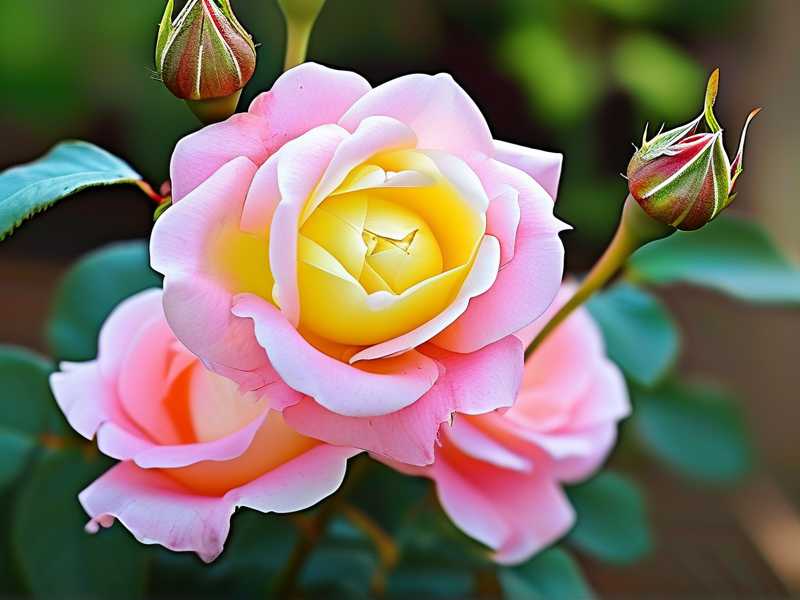
- ‘New Dawn’: pale pink, fragrant, and reliable. Two weeks after planting, it started climbing.
- ‘Eden’: large, cupped blooms in soft pink. Needs full sun.
Groundcover roses:
- ‘Flower Carpet’: low-maintenance and disease-resistant. My patch bloomed for three months straight.
- ‘Drift’: compact and colorful. Perfect for small spaces.
Frequently Asked Questions
Q: Can climbing roses grow in pots?
A: Yes, but choose a large pot (at least 18 inches deep). Ensure sturdy support. I tried a small pot once—the rose struggled within two weeks. Upgrade to a bigger container for success.
Q: How often should I water groundcover roses in hot weather?
A: Every 3–4 days during heatwaves. Check soil moisture first. I once watered daily in a heatwave, and the leaves yellowed within two weeks. Deep, less frequent watering is safer.
Q: Why are my roses not blooming despite healthy leaves?
A: Likely insufficient sunlight or over-fertilization. I had this problem with a climbing rose in partial shade. After two weeks in full sun, it started budding. Also, avoid high-nitrogen fertilizers—they boost leaves, not flowers.
Final Thoughts from Someone Who’s Been There
I’ve killed plenty of roses.
But every failure taught me something.
Here’s the bottom line: climbing roses need your attention—support, pruning, and patience.
Groundcover roses are more chill, but they need space and proper planting.
Stop overwatering.
Give them sun.
Use the right container or support.
Stick with a routine for two weeks, and you’ll see real progress.
Trust me, it’s worth it when those blooms appear.