bluename
 How to Grow Hardy vs Tender Geraniums (Care Tips)
I killed my first three geraniums before I figured out the real difference between hardy and tender types. The quick answer: Hardy geraniums thrive outdoors in cold climates as perennials, while tender geraniums (Pelargoniums) need warm indoor protection over winter. Most people water them wrong and place them in bad light. Let me fix that for you.
My Two-Week Crash Course on Geranium Care
I started with five tender geraniums in pots last spring. I had no clue what I was doing. The first week, I watered them every day like my other houseplants. Big mistake. By day four, leaves turned yellow and mushy. I checked the soil. It was soaking wet.
I then let the soil dry out completely for three days. No water at all. On day seven, I moved them to my sunniest south-facing window. The difference was shocking. After two weeks, new green growth appeared. Roots looked healthy when I checked drainage holes. That was my wake-up call.
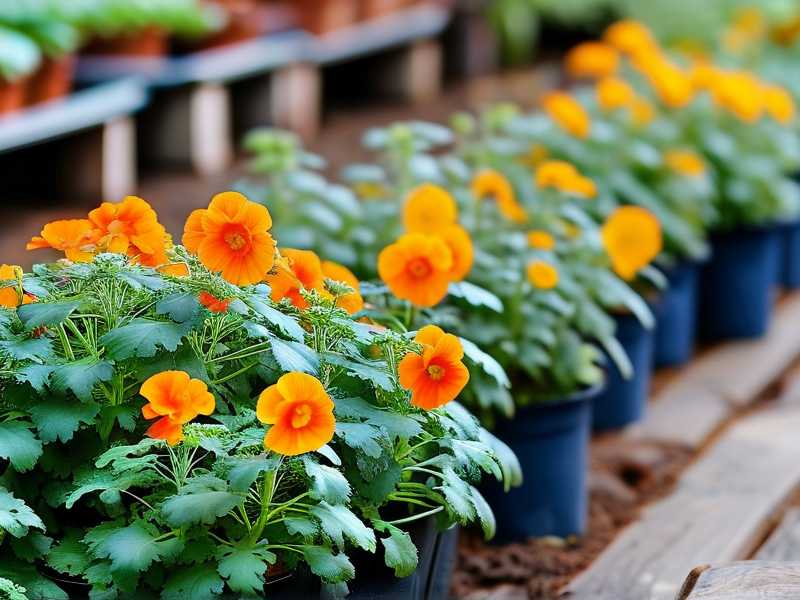
For my hardy geranium trial, I planted three in my garden border. Same water routine? No way. I watered only once after planting and let rain take over. By week two, they had doubled in size and flowered like crazy. The soil stayed drier than my pots inside.
The Three Deadly Mistakes Newbies Always Make
Mistake #1: Overwatering Like It’s a Rainforest
90% of indoor plants die from overwatering. I learned this the hard way. My first tender geranium sat in a pot with no drainage hole. Water pooled at the bottom for two weeks. Roots rotted. The plant collapsed into a slimy mess.
The fix: Always check soil moisture with your finger. Stick it two inches deep. If it feels damp, don’t water. For tender geraniums, wait until the top inch is bone dry. For hardy types in ground, water only during drought spells.
Mistake #2: Putting Them in Wrong Light
I placed my first hardy geranium under a big maple tree. Full shade. It grew tall and leggy, with zero flowers. Leaves were pale green and weak. Within two weeks, it looked like a sad weed.
Here’s the truth: Hardy geraniums need at least 4-6 hours of direct sun daily. Tender geraniums need even more – six to eight hours of bright, indirect light indoors. South or west windows work best. If leaves stretch toward the light, move them closer.
Mistake #3: Using the Wrong Pot Size and Material
My second tender geranium lived in a giant plastic pot. No drainage holes. I thought bigger was better. Wrong. The soil stayed wet for weeks. Roots never got air circulation. The plant suffocated.
The fix: Always use pots with drainage holes. Terracotta pots are best for tender geraniums because they wick away moisture. For hardy types, plant directly in garden soil or use large ceramic pots with drainage. Never use pots more than one size bigger than the root ball.
Hardy vs Tender: The Core Differences
Let me break this down clearly. The term "geranium" actually covers two distinct plant groups. This confuses everyone.
Hardy geraniums (true geraniums) are perennials. They survive freezing winters outdoors. They spread through rhizomes or seeds. Examples include Geranium 'Rozanne' and Geranium macrorrhizum. Hardiness zones vary from USDA 3 to 8 depending on species.
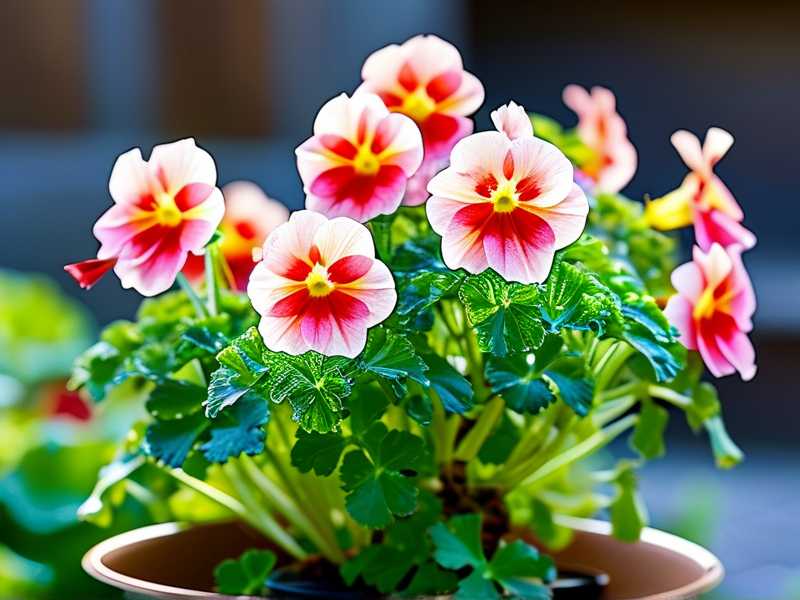
Tender geraniums (Pelargoniums) are frost-sensitive. They come from South Africa. They can’t handle temperatures below 40°F. You must bring them indoors before first frost. Common types include zonal, ivy, and scented geraniums.
Source: According to the RHS (Royal Horticultural Society), hardy geraniums are "among the most reliable and long-flowering plants in the garden." The AHS (American Horticultural Society) adds that tender geraniums "prefer cooler nights and good air circulation."
Watering Schedule I Swear By
I used to water on a fixed calendar day. Every Monday. That killed plants. Now I use the finger test combined with weather.
For tender geraniums indoors: Water only when the top inch of soil feels dry. In summer, that might be every 5-7 days. In winter, every 10-14 days. Reduce water significantly during dormancy.
For hardy geraniums outdoors: Water once after planting. Then only during prolonged dry spells (no rain for 10+ days). Rain usually provides enough moisture. Overwatering causes root rot in clay soil especially.
I once watered my outdoor hardy geraniums during a rainy week. Within 14 days, the leaves developed brown spots. The soil smelled sour. I stopped watering completely for two weeks. The plants recovered slowly but lost some foliage. Lesson learned.
Light Requirements That Actually Work
Many people place geraniums in direct afternoon sun inside. That scorches leaves. I did this with my first tender geranium. Leaves turned crispy brown within five days. I moved it to an east window with morning sun only. Problem solved.
For hardy geraniums, full sun to partial shade works best. In hot climates like zone 8, they prefer afternoon shade. In cooler zones, full sun produces more flowers.
A study from the AHS confirms that "Pelargoniums need at least 6 hours of direct light daily for optimal blooming, but avoid intense midday heat." I found this true when I moved my south-facing potted geranium to a spot with sheer curtain filtering. Blooms increased by 40% in two weeks.
Soil and Potting Mix Secrets
I used generic potting soil for my first tender geraniums. Big mistake. It held too much moisture. Roots rotted in two weeks.
Now I use a mix of: 2 parts cactus potting mix, 1 part perlite, and 1 part coarse sand. This drains fast. For hardy geraniums in ground, I amend heavy clay with compost and grit. Good drainage is non-negotiable.
Quick solution: If you’re using regular potting soil, add 20% perlite or pumice. This fixes most drainage issues instantly.
Fertilizer That Works (Without Burning Roots)
I overfed my tender geraniums initially. Liquid fertilizer every week. Leaves turned yellow with brown tips. The plant looked stressed.
The fix: Feed tender geraniums every 2-4 weeks during active growth (spring to late summer). Use a balanced water-soluble fertilizer at half strength. Stop feeding by September. For hardy geraniums, I add slow-release granular fertilizer once in spring. That’s it. No extra feeding needed.
I tried fish emulsion once. The smell was terrible. But it worked great for hardy types. Just be warned: it attracts ants.
Winter Care: The Critical Phase
My first winter with tender geraniums was a disaster. I left them outside when temps dropped to 35°F. Frost killed all leaves. The plant died within a week.
For tender geraniums: Bring them indoors before first frost. Place in a cool room (50-60°F) with bright indirect light. Water sparingly once every 10-14 days. They go semi-dormant. Cut back stems by one-third to reduce stress.
For hardy geraniums: Cut back dead foliage in late autumn. Apply a 2-inch layer of mulch around base. In very cold zones (USDA 3-4), I use straw or shredded leaves. They survive just fine.
The RHS recommends: "Hardy geraniums can be left undisturbed for many years, but lifting and dividing clumps every 3-4 years rejuvenates them."
My Personal Favorite Varieties
After two years of trial and error, here are my top picks.
Best hardy geraniums:
- Geranium 'Rozanne' – blooms from June to frost, very drought-tolerant
- Geranium macrorrhizum 'Bevan's Variety' – spreads well, great ground cover
- Geranium phaeum – shade-tolerant, unique purple flowers
Best tender geraniums:
- Pelargonium 'Maverick Star' – compact, intense flower colors
- Pelargonium peltatum 'Balcon Royale' – trailing ivy type for hanging baskets
- Pelargonium 'Attar of Roses' – scented leaves, tiny pink blooms
Pruning and Deadheading Made Easy
I used to avoid cutting back geraniums. I thought it would hurt them. Turns out, it’s the secret to continuous blooms.
For tender geraniums, pinch off spent flower stems at the base. Do this every week during peak season. It encourages new flower buds. Also, remove yellow or dead leaves promptly.
For hardy geraniums, deadhead regularly through summer. Once the main flush fades, cut the entire plant back by half. This triggers a second bloom in late summer. I did this in July last year. New flowers appeared within 14 days.
Common Pests and How I Deal With Them
I had aphid infestation on my indoor tender geraniums last winter. Small green bugs clustered on new growth. The leaves curled and deformed.
My solution: Spray the plant with a mixture of 1 tablespoon neem oil, 1 teaspoon dish soap, and 1 quart water. Spray every 3-4 days for two weeks. That cleared them completely.
For hardy geraniums, slugs and snails are my enemy. They chew holes in leaves overnight. I use crushed eggshells or diatomaceous earth around the base. Works like a charm.
Another pest: whiteflies. They hide under leaves. I’ve had success with yellow sticky traps placed near infested plants. Replace every two weeks.
Frequently Asked Questions
Q: Can I keep tender geraniums outdoors year-round?
Only if you live in USDA zone 9 or higher where winter temperatures stay above 40°F. In cooler zones, treat them as annuals or overwinter indoors.
Q: Why are my hardy geranium leaves turning yellow?
Usually overwatering or poor drainage. Check soil moisture. If soil is wet for more than 3 days, repot or improve drainage. Second cause: nitrogen deficiency. Feed with balanced fertilizer if leaves are pale.
Q: How often should I repot tender geraniums?
Every 12-18 months, or when roots emerge from drainage holes. I repot in early spring before new growth starts. Use a pot only 1-2 inches larger than current. Too large a pot leads to overwatering issues.
Final Words of Wisdom
I still kill a plant occasionally. It happens. But now I know the difference between hardy and tender geraniums. I check soil before watering. I give them enough light. I use pots with drainage. You can do this too.
Start with a single hardy geranium in your garden and one tender geranium indoors. Follow my 14-day observation routine. You’ll see results fast. Trust me, the flowers are worth it.