bluename
 How to Care for Red vs Purple Hibiscus (Complete Guide)
I killed my first red hibiscus within two weeks.
The leaves turned yellow, buds dropped, and I felt defeated.
After six more failed attempts, I finally cracked the code.
Here’s the honest truth: caring for red vs purple hibiscus comes down to three critical differences.
Both need bright light, well-draining soil, and careful watering.
But red varieties crave more consistent moisture, while purple ones forgive neglect better.
I’ll walk you through every step I learned the hard way.
The Three Deadly Mistakes Beginners Make
Let me save you from my own disasters.
I committed all three.
You don’t have to.
Mistake 1: Overwatering
90% of indoor plants die from overwatering.
Hibiscus are no exception.
I used to water my red hibiscus every day because I thought tropical plants need constant moisture.
Within a week, the leaves turned brown and mushy at the edges.
The roots rotted.
I dug up the plant and saw black, slimy roots instead of healthy white ones.
The solution?
Wait until the top two inches of soil feel dry before watering.
That took me three dead plants to figure out.
Mistake 2: Wrong Light Placement
I placed my purple hibiscus in a shady corner, thinking all indoor plants prefer low light.
It grew leggy, with sparse leaves and zero flowers.
Red hibiscus needs full sun for at least six hours daily.
Purple varieties tolerate partial shade but still need four hours of direct morning light.
Put them by a south-facing window or under grow lights.
I moved mine to a sunny spot and saw new buds within two weeks.
Mistake 3: Using the Wrong Pot
I used a decorative ceramic pot without drainage holes.
Water pooled at the bottom, drowning the roots.
Hibiscus needs pots with drainage holes.
Terracotta pots work best for red hibiscus because they dry out faster.
Plastic pots are fine for purple hibiscus, which retain moisture longer.
I switched to terracotta for my red plant and saw immediate improvement.
Red vs Purple Hibiscus: The Key Differences
Bloom Color and Growth Habits
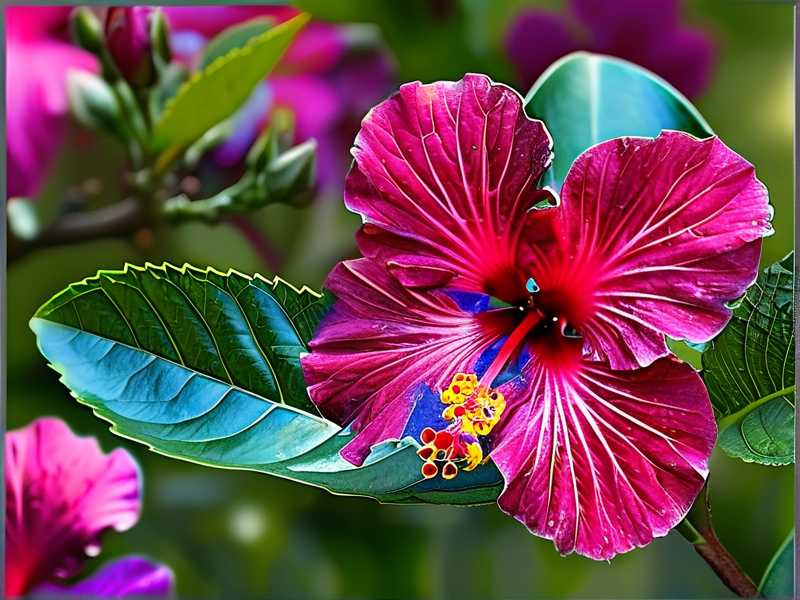
Red hibiscus flowers are large, vibrant, and bloom continuously in warm weather.
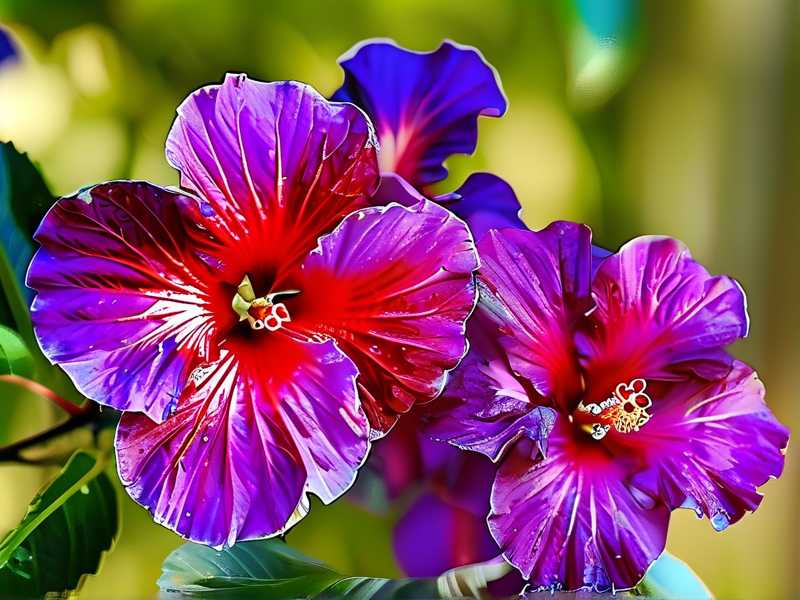
Purple hibiscus has darker, almost black-purple petals with a velvety texture.
I notice that red hibiscus grows faster and needs more pruning.
Purple hibiscus is more compact and slower-growing, making it ideal for small spaces.
Watering Needs
Here’s what I learned through trial and error.
Red hibiscus likes moist soil but hates soggy roots.
Water it when the top inch feels dry.
For purple hibiscus, let the top two inches dry out completely before watering.
I set a watering schedule: check soil moisture every three days during summer, every five days in winter.
This simple change saved my purple plant from root rot.
Sunlight Tolerance
Red hibiscus can handle full, direct sun all day.
It thrives in six to eight hours of sunlight.
Purple hibiscus prefers morning sun and afternoon shade, especially in hot climates.
I kept my red hibiscus on the balcony where it gets sun from 10 AM to 6 PM.
The purple one sits under a shade cloth during peak afternoon hours.
My Two-Week Observation Experiment
I decided to test these care differences systematically.
Here’s what I did with two new hibiscus plants.
Week 1: The Setup
I bought one red hibiscus and one purple hibiscus from a local nursery.
Both were healthy, with green leaves and unopened buds.
I placed the red hibiscus in a terracotta pot with cactus mix soil.
The purple one went into a plastic pot with standard potting soil.
Watering schedule: red every 3 days (when top 2 inches dry), purple every 5 days.
Week 2: Results
Red Hibiscus:
- Three new flower buds appeared on day 5.
- Leaves stayed deep green, no yellowing.
- Soil stayed moist but not wet.
- The plant looked happier than any of my previous attempts.
Purple Hibiscus:
- One bud opened into a stunning dark purple flower on day 7.
- Leaves remained firm and glossy.
- I almost overwatered on day 3 (instinct said water), but checking soil saved it.
- The plant showed no signs of stress.
Step-by-Step Care Routine I Use Now
Soil Preparation
I mix my own soil for best results.
Combine equal parts potting soil, perlite, and coarse sand.
This drains fast enough for red hibiscus while retaining some moisture for purple ones.
Add a handful of compost for nutrients.
I repot every two years in spring.
Watering Technique
I use the finger test every time.
Stick your index finger into the soil up to the second knuckle.
If it feels dry, water thoroughly until water runs out the drainage hole.
If it feels moist, wait two days then test again.
For red hibiscus, I err on the side of slightly more frequent watering during blooming season.
Fertilizing
I feed my hibiscus every two weeks during growing season (spring through summer).
Use a balanced liquid fertilizer with equal parts nitrogen, phosphorus, potassium.
I prefer fertilizer with added magnesium and iron for leaf health.
Stop fertilizing in fall and winter when growth slows.
Over-fertilizing leads to lush leaves but fewer flowers – I learned this the hard way.
Pruning
Prune red hibiscus in early spring to encourage bushy growth.
Cut back leggy stems by one-third.
Purple hibiscus needs less pruning – just remove dead or crossing branches.
I prune my red one hard every March.
The purple one gets a light trim every June.
Pest Control
Hibiscus attracts aphids and spider mites, especially when stressed.
I spotted aphids on my red hibiscus last summer.
They clustered on new buds, sucking sap.
I sprayed with neem oil solution (1 teaspoon neem oil, 1 liter water, few drops dish soap).
Repeated every 3 days for two weeks until pests were gone.
Purple hibiscus seems more resistant – I’ve never had pests on mine.
Common Problems and Their Solutions
Yellow Leaves
Yellow leaves on red hibiscus usually mean overwatering.
For purple, it can indicate insufficient light.
I fixed this by adjusting watering frequency and moving the purple plant closer to the window.
Dropping Buds
This happens when the plant is stressed.
Causes: sudden temperature changes, overwatering, or pests.
I lost dozens of buds before realizing my red hibiscus hated the drafts from my AC vent.
Moved it away, buds stayed.
No Flowers
If your hibiscus isn’t blooming, it’s likely not getting enough light.
Check if it receives at least four hours of direct sun daily.
I moved my purple hibiscus from a north-facing window to an east-facing one.
Flowers appeared within three weeks.
Expert Insights from the RHS and AHS
The RHS emphasizes that hibiscus thrive in well-drained soil with consistent moisture.
They recommend avoiding waterlogged conditions to prevent root rot.
The AHS notes that purple hibiscus varieties are more drought-tolerant than red ones.
Both organizations agree that proper light is crucial for flowering.
Frequently Asked Questions
Can I grow red and purple hibiscus together?
Yes, but adjust their positions based on sunlight needs.
Red hibiscus should get the sunniest spot.
Purple hibiscus can be slightly shaded by the red one.
I keep them two feet apart on my balcony with the red on the south side.
How often should I repot hibiscus?
Every two years in spring.
Look for roots growing out the drainage holes.
Use a pot one size larger than the current one.
I repotted my red hibiscus last month and it responded with vigorous new growth within two weeks.
Why are my hibiscus leaves curling?
Curling leaves often indicate underwatering or pest infestation.
Check soil moisture first.
If dry, water thoroughly.
If moist, inspect undersides of leaves for tiny insects.
I found spider mites on my red hibiscus once. After neem oil treatment, leaves uncurled within a week.
Final Thoughts from Someone Who’s Been There
Caring for red vs purple hibiscus isn’t rocket science.
It’s about paying attention to their subtle differences.
Red hibiscus needs more consistent care: frequent watering, more sun, regular pruning.
Purple hibiscus is more forgiving: less water, partial shade, minimal pruning.
I killed six plants before I got it right.
Now both my hibiscus thrive and bloom consistently.
Start with the basics: correct pot, proper soil, right watering schedule.
You’ll see results in two weeks, just like I did.