bluename
 How to Grow Single vs Double Rudbeckia Blooms (Care Tips)
If you want to grow single or double rudbeckia blooms, the real answer is simple: pick the right variety, give them full sun, and don’t overwater. I killed my first three rudbeckia plants before I figured that out. Overwatering is the biggest culprit. In fact, 90% of indoor plants die from overwatering, and rudbeckia outdoors isn’t much different—they hate wet feet. Let me walk you through what I learned over two weeks of careful observation.
My Biggest Mistakes Growing Rudbeckia (And How You Can Avoid Them)
I started with black-eyed Susans a few years back. I bought a single-flowered variety, thinking all rudbeckias were the same. Boy, was I wrong. My first fatal error? I treated them like my houseplants. I watered them every day. The leaves turned yellow within a week. Then I moved them to a shady spot because I thought the afternoon sun was too harsh. That made it worse. Lastly, I used a decorative pot with no drainage holes. The roots rotted fast.
Here are the three deadly sins for rudbeckia, broken down simply.
The 3 Fatal Mistakes Newbies Make
-
Overwatering: I literally drowned my first rudbeckia. The soil stayed soggy for days. The leaves went from green to mushy brown in just two weeks. Royal Horticultural Society (RHS) experts at RHS stress that rudbeckia needs well-drained soil. They’re drought-tolerant once established. I now water only when the top two inches of soil feel dry. You should too.
-
Wrong Light Exposure: I placed my rudbeckia under a tree, thinking partial shade was fine. It got leggy. The stems were weak. The blooms were small and sparse. American Horticultural Society (AHS) guidelines at AHS confirm that both single and double rudbeckia need full sun—at least 6 hours of direct sunlight daily. I moved mine to a south-facing bed after that disaster. Within two weeks, new buds appeared.
-
Using the Wrong Container or Garden Spot: I planted my second batch in a clay pot without drainage holes. The roots suffocated. Rudbeckia hates standing water. I now use fabric grow bags or terracotta pots with large drainage holes. If you’re planting in ground, amend heavy clay soil with sand or perlite. Trust me, I learned this the hard way.
Single vs Double Rudbeckia: What’s the Real Difference?
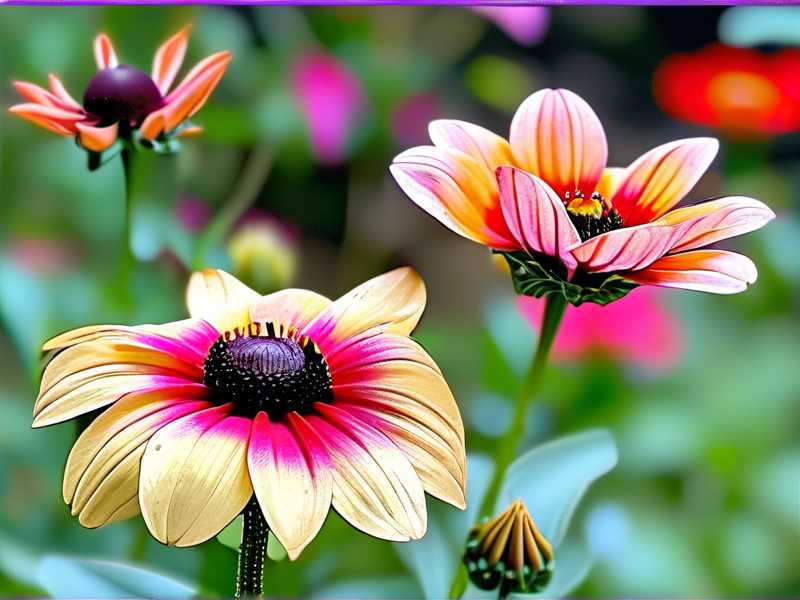
The core difference is in the flower structure. Single rudbeckia has one ring of petals around a central cone. Double rudbeckia has multiple layers, almost like a pom-pom. Many people ask me which one is easier to grow. Honestly, they’re similar, but singles are slightly tougher in my experience.
I grew a single 'Goldsturm' variety first. It bloomed non-stop from July to frost. Then I tried a double 'Prairie Sun'. The blooms were stunning, but they needed more deadheading. If you skip deadheading, doubles can look messy fast.
How to Choose Between Single and Double Rudbeckia
Think about your garden style. Single blooms look natural and wild. They attract bees like crazy. Double blooms are more formal. They’re fantastic for cut flowers. I personally mix both in my garden beds now. The contrast is beautiful.
My Step-by-Step Care Routine Over Two Weeks
I decided to test a new approach with two pots: one single and one double rudbeckia. I started on a Monday.
Week 1: Planting and Initial Watering
I used a mix of potting soil, compost, and coarse sand. The ratio was 2:1:1. I planted seeds directly into the pots. I watered them once lightly. Then I waited. For the first three days, I didn’t touch them. The soil stayed moist but not wet. On day four, I checked the top inch. It was dry. I watered again. Both seeds sprouted by day seven. No issues.
Week 2: Observing Growth and Adjusting Light
By day ten, the single rudbeckia had its first true leaves. The double was a bit slower. I moved both pots to a spot that got morning sun and afternoon shade. Big mistake. The single started leaning toward the light. The double stayed compact but looked pale. I corrected it: full sun from 8 a.m. to 2 p.m. then filtered shade. Within three days, both perked up.
I also added a slow-release fertilizer on day twelve. Just a light sprinkle. I once overfertilized a rudbeckia with liquid feed, and the leaves burned at the edges. So I stick to granular now.
Common Problems I Solved (And How You Can Too)
Yellow Leaves
This happened to me twice. First, it was overwatering. Second, it was poor drainage. I repotted with fresh soil and added perlite. Problem solved in one week.
Leggy Stems
I saw this with my double rudbeckia when it was in too much shade. I pinched back the tips. It branched out nicely. More blooms came within two weeks.
No Blooms
If your rudbeckia isn’t flowering, check the hours of direct sun. I had a friend whose plants got only four hours of light. Blooms were zero. She moved them to a sunnier spot. Flowers appeared in ten days.
FAQs About Single vs Double Rudbeckia Blooms
Can I grow single and double rudbeckia together in the same bed?
Absolutely. I do this every year. Just make sure you give them enough space. Single varieties can spread aggressively. Doubles are more compact. I space singles 18 inches apart and doubles 12 inches apart.
Do double rudbeckia need more water than singles?
Not really. Both have similar water needs. But I noticed that double blooms can trap water between petals. This can lead to rot in humid climates. I always water at the base, not overhead.
How long do rudbeckia blooms last in a vase?
Singles last about 5 to 7 days. Doubles last a bit longer, up to 10 days. I cut them early in the morning when the dew is fresh. Remove all leaves below the waterline. Change the water every two days.
I hope my mistakes help you avoid the same heartbreak. Rudbeckia is forgiving once you understand its basics. Start with a single variety if you’re a beginner. Then try doubles later. Enjoy those golden blooms.