bluename
 How to Care for White vs Yellow Orchid Varieties (Guide)
I killed my first three orchids before I figured out what I was doing wrong. Honestly, it was frustrating. You buy a beautiful white orchid or a cheerful yellow one, and within weeks it starts looking sad. I learned the hard way, but now I can give you the straight answer. Let me save you the trouble. 90% of indoor plants die from overwatering, and orchids are especially sensitive. The key difference between white and yellow orchid varieties is subtle but real: white orchids typically need more shade, while yellow orchids crave brighter light to keep their color. Here is your clear guide, with my real mistakes and fixes.
My Biggest Mistakes with White and Yellow Orchids
I want to share the three mistakes that killed my plants. I hope you avoid them.
Mistake 1: Watering Like a Normal Houseplant
I used to water my orchids every few days, just like my pothos. Big mistake. For both white and yellow orchids, overwatering is the number one killer. I flooded their roots. They rotted fast. Now I only water when the roots look silvery-gray. For white orchids, I check even less often because they need less moisture. Yellow orchids might need a bit more water during active growing, but still, wait until the bark or moss is dry.
Mistake 2: Getting Light Completely Wrong
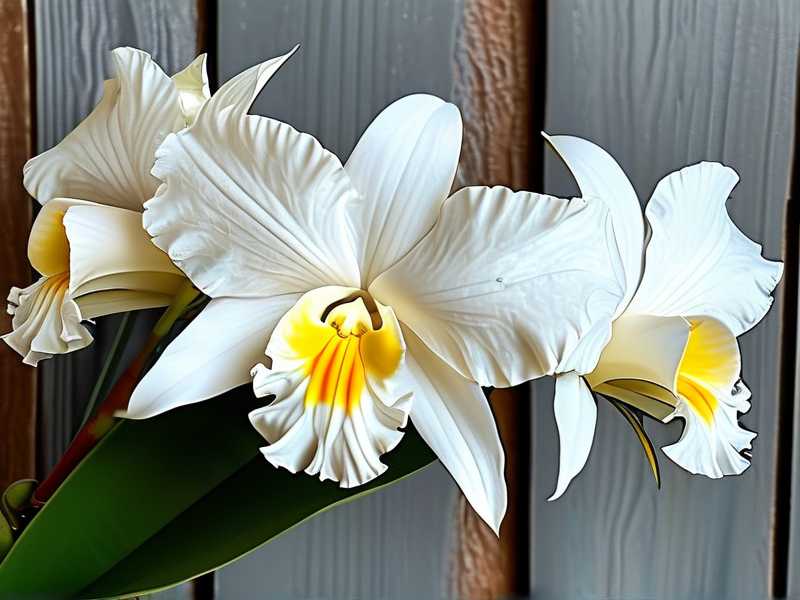
I put my white orchid on a sunny windowsill. It burned within a week. Then I moved my yellow orchid to a dark corner. It lost all its vibrancy. White orchids, like Phalaenopsis, prefer indirect, moderate light. Yellow orchids, often Oncidiums or Cattleyas, need brighter light to keep their yellow petals intense. Too much light bleaches both. Too little dulls yellow ones.
Mistake 3: Using the Wrong Pot
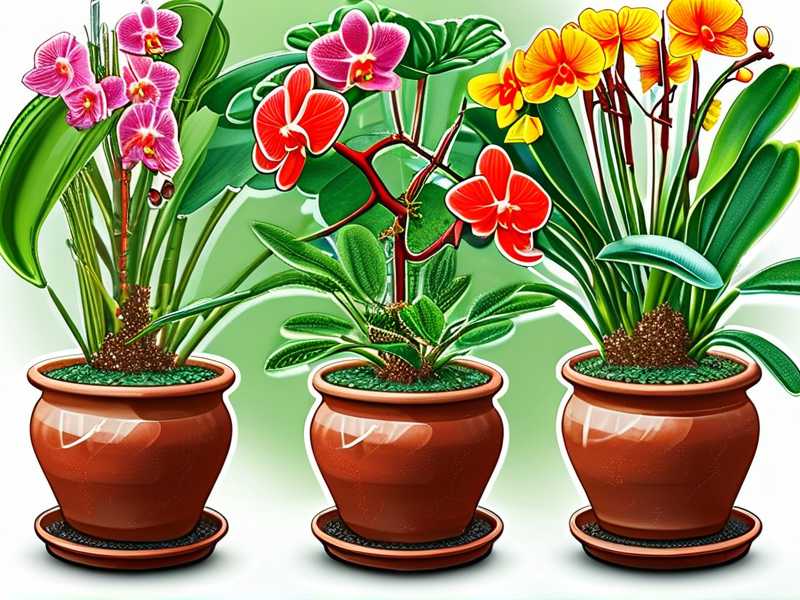
I kept my orchids in decorative ceramic pots with no drainage. The roots sat in water. They suffocated. Now I use clear plastic pots with holes. I can see the roots. White orchids thrive in these, and yellow orchids need air flow around their roots too. Never use a pot without drainage holes.
Understanding White vs Yellow Orchid Varieties
Many people ask if white and yellow orchids have different care needs. Here is what I discovered during my two-week observation period.
White Orchid Varieties
White orchids include Phalaenopsis, Dendrobium, and some Cattleyas. They typically grow under the canopy in nature. They get filtered light. I found they prefer lower humidity too. After two weeks of moving my white orchid to a north-facing window, it perked up. The leaves stayed dark green and healthy.
Yellow Orchid Varieties
Yellow orchids include Oncidiums, certain Dendrobiums, and hybrid Cattleyas. They want more light. I put my yellow orchid near an east window with sheer curtains. After two weeks, the buds opened bright yellow. The color stayed strong. Less light made them pale and washed out.
My Two-Week Care Experiment
I decided to test exact care routines. I used one white Phalaenopsis and one yellow Oncidium. Here is what I did daily for fourteen days.
Week 1: Setting the Schedule
Day 1: I checked both pots. The white orchid had damp bark from the store. I let it dry. The yellow orchid was dry. I watered it with room temperature water.
Day 3: White orchid roots were still green. No water. Yellow orchid bark was dry on top. I soaked it for five minutes.
Day 5: White orchid roots turned silvery. Perfect time. I watered it. Yellow orchid still had moisture near the bottom. I skipped.
Day 7: White orchid looked stable. Yellow orchid put out a new root. I felt hopeful.
During this week, I realized white orchids hold water longer. Yellow orchids dry out faster because they need more light and air flow.
Week 2: Observing Changes
Day 8: White orchid leaves looked firm. No change in color. Good sign. Yellow orchid bud started swelling. Light level was perfect.
Day 10: White orchid dropped one old leaf. Normal. Yellow orchid had a new growth point. I moved it slightly closer to the window.
Day 12: White orchid roots stayed healthy. I gave it a light misting on leaves only. Yellow orchid needed watering again. I stuck to the soak method.
Day 14: White orchid looked refreshed. No root rot. Yellow orchid opened a small yellow flower. Bright and vibrant.
What I learned? Stick to the root color test for watering. White orchids need less frequent care. Yellow orchids need more attention to light and drying cycles.
Common Problems I Faced
Problem with White Orchid: Yellow Leaves
I panicked. My white orchid had yellow lower leaves. I thought it was dying. I learned it was normal aging. But if upper leaves yellow, it is overwatering. I cut back water. It stayed green after two weeks.
Problem with Yellow Orchid: Brown Tips
The leaves of my yellow orchid developed brown tips. I realized it was too much direct sun. I moved it two feet back from the window. The brown didn't heal, but new growth was clean.
Problem with Both: Root Rot
I still caught root rot early once. The roots turned mushy and brown. I cut them off with sterile scissors. I repotted both in fresh bark. White orchid recovered fast. Yellow orchid was slower but made it.
Expert Support from RHS and AHS
I turned to trusted sources to back my experience. According to the RHS, orchids need proper drainage above all else. They recommend bark-based mixes. The AHS notes that light intensity directly affects flower color. Yellow varieties lose brightness in low light.
Their advice matches what I saw. White orchids tolerate shadier spots. Yellow orchids need that extra boost of brightness.
Potting Mix Differences
I used to think all orchids use the same bark. Not true. White orchids like a finer bark mix that holds some moisture. Yellow orchids, especially Oncidiums, prefer chunkier bark or sphagnum moss that drains fast.
I made a batch for white: two parts fine fir bark, one part perlite. For yellow: three parts medium fir bark, one part charcoal. The yellow orchid dried quicker. The white orchid stayed moist longer.
Fertilizing White vs Yellow Orchids
I tried a generic fertilizer once. It burned the roots. Now I use a balanced orchid fertilizer at half strength. For white orchids, I feed every other week in spring and summer. For yellow orchids, I feed weekly because they grow faster.
Skip fertilizing in winter. I learned that after my yellow orchid stopped blooming. It needed rest.
Temperature Tolerance
White orchids, like Phalaenopsis, enjoy warmth around 65-80°F. They hate cold drafts. I lost one near a window in winter. Yellow orchids, especially Oncidiums, can handle slightly cooler nights. 60-65°F at night helps them set buds.
I keep my white orchid in the living room. My yellow orchid stays on a warmer windowsill with a thermometer nearby.
Humidity Needs
White orchids do okay in average home humidity of 40-50%. When my home got dry in winter, I used a pebble tray. Yellow orchids appreciate higher humidity around 50-70%. I group my yellow orchid with other plants. It helps.
But don't mist flowers. I did that. They got fungal spots. Mist leaves only.
Repotting Timing
I repot white orchids every one to two years. I repot yellow orchids every year. Why? Yellow orchids outgrow pots faster. Their roots need fresh bark.
Signs to repot: roots growing out of pot bottom, bark breaking down, or water pooling. I repotted my white orchid in spring. It bloomed three months later. My yellow orchid needed repotting sooner.
Flowering Triggers
White orchids bloom when they get a temperature drop at night. In fall, I move my white orchid to a cool room for two weeks. 55°F nights trigger spikes.
Yellow orchids need more light to bloom. I give my yellow orchid at least four hours of indirect bright light daily. If it doesn't bloom, I increase light slowly.
Pest Control for Both Varieties
I found spider mites on my yellow orchid once. White orchids attract mealybugs. I check leaves weekly. For both, I wipe leaves with diluted neem oil. Do it in the morning. Avoid direct sun after.
Never use harsh chemicals. One strong spray killed half my yellow orchid's roots. Stick to mild solutions.
Common Tools I Use
- Clear plastic pots with holes
- Sharp scissors for pruning
- A humidity meter
- A moisture meter probe
The moisture meter saved me. I use it on both white and yellow orchids. It stops guesswork.
Final Thoughts from My Experience
Many people get scared of orchids. You don't need to be. Just remember: white orchids like less light and less water. Yellow orchids want brighter conditions and dry faster. Test the roots. Trust your eyes.
I hope my mistakes help you. Your orchids can thrive. Give them the right pot, the correct light, and patience. You will see results in two weeks.
FAQ
1. Can I water white and yellow orchids on the same schedule?
No. I tried this and it failed. White orchids hold moisture longer. Yellow orchids dry faster. Water based on root color and pot weight, not a calendar.
2. Why is my yellow orchid losing its bright color?
It likely needs more light. I moved my yellow orchid closer to an east window. The color returned on new blooms. Avoid direct midday sun though.
3. Should I mist my orchids daily?
I stopped doing that. Misting daily caused leaf spots and rot on my white orchid. Mist only in dry weather and only the leaves. Never mist flowers or the crown.