bluename
 How to Grow Large vs Small Zinnia Varieties (Care Tips)
I killed my first zinnia by drowning it in love. Let me save you the heartache. Here’s the quick answer: large zinnias need 18–24 inches of space between plants, full sun (6+ hours daily), and deep, infrequent watering. Small zinnias can be packed closer together, about 6–8 inches apart, but they still crave that same intense sunlight. Overwatering is the fastest way to fail—90% of indoor plants die from overwatering, and zinnias outdoors are just as sensitive to soggy roots. I’ve learned this the hard way after losing three batches in a row. Stick with me through this guide, and I’ll walk you through every step from seed to bloom.
Why Zinnias Are My Go-To Flower
I’ve been growing zinnias for five years now. Honestly, they’re the most forgiving flower once you understand the basics. Zinnias come in two broad categories: large varieties like ‘Benary’s Giant’ and small ones like ‘Thumbelina’. Both are absolute sun lovers. The Royal Horticultural Society (RHS) confirms that zinnias thrive in warm, dry conditions—exactly what I found after trial and error.
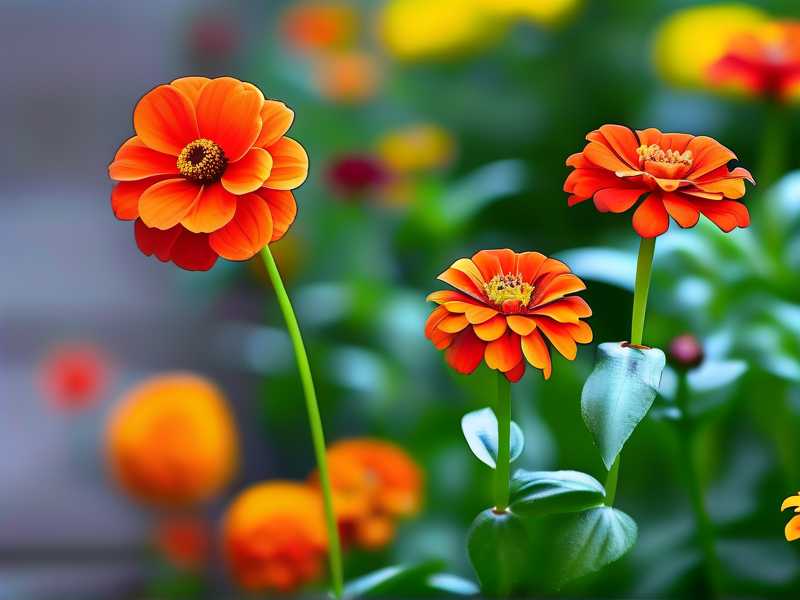
Most people assume all zinnias need the same care. That’s a trap. Large zinnias grow tall and bushy, topping out at 3–4 feet. Small zinnias stay compact, only reaching 6–12 inches. The spacing, watering, and pruning tricks shift dramatically between the two. I’ll break it all down for you.
The 3 Deadly Mistakes Newbies Make
I made every single one of these errors myself. Don’t repeat my failures.
Mistake 1: Overwatering Like a Madman
I used to water my zinnias every single evening. “Plants need water, right?” Wrong. After two weeks, the leaves yellowed and the stems turned mushy. Root rot set in. The American Horticultural Society (AHS) points out that zinnias are drought-tolerant once established. Now, I only water when the top inch of soil feels bone dry. For large zinnias in ground, that’s once every 5–7 days. For small ones in pots, it’s every 3–4 days depending on heat.
Mistake 2: Sticking Them in Shade
I planted my first batch under a tree, thinking partial shade would protect them. Big mistake. Zinnias are sun addicts. Within two weeks, they stretched tall and leggy, barely producing blooms. The stems were so weak they flopped over after a light rain. I learned the hard way: zinnias need at least 6 hours of direct sunlight daily. Large varieties demand even more—8 hours is ideal for giant blooms.
Mistake 3: Choosing the Wrong Pot
Small zinnias in tiny pots? I tried that. The roots choked within a month. Large zinnias in small containers? They toppled over as soon as they reached 2 feet tall. Pot size matters more than you think. For large zinnias, use a pot at least 12 inches deep and wide. For small varieties, a 6–8 inch pot works fine. Drainage holes are non-negotiable. Trust me, standing water is a death sentence.
How I Grew Large Zinnias Successfully
Starting from Seed
I always start seeds indoors, about 4 weeks before the last frost date. Large zinnia seeds are bigger than you’d expect—easy to handle. I sow them ¼ inch deep in seed-starting mix. The trick is warmth: zinnias need soil temps of 70–75°F to germinate. I use a heat mat and a grow light. Within 5–7 days, sprouts emerge.
Transplanting to the Garden
After the last frost, I harden off the seedlings over 4–5 days. I bring them outside for a few hours, then gradually increase exposure. My first time, I skipped this step. The seedlings got sunburned and stalled for two weeks. An expensive lesson. Space large zinnias 18–24 inches apart. They branch out aggressively, and tight spacing causes powdery mildew.
Watering Schedule
I water deeply once a week, soaking the soil to 6 inches deep. Never overhead. Watering from above wets the leaves, inviting fungal diseases. I use a soaker hose or water at the base. If it’s been rainy, I skip a week. Zinnias hate wet feet.
Deadheading for More Blooms
Every 7–10 days, I snip off spent blooms. This forces the plant to produce new flowers instead of going to seed. For large zinnias, I cut the stem just above a leaf node. The result? A continuous wave of color from midsummer until the first frost. I’ve counted over 30 blooms on a single ‘Benary’s Giant’ plant.
How I Nurtured Small Zinnia Varieties
Denser Planting Works Better
Small zinnias are more forgiving about spacing. I plant them 6–8 inches apart. They form a low, mounded carpet of color. ‘Thumbelina’ and ‘Profusion’ series are my favorites. They’re perfect for borders or container gardens.
Less Pruning, More Patience
Unlike large zinnias, small ones don’t need aggressive deadheading. I remove spent blooms every two weeks, but it’s not critical. They naturally branch out and self-clean. I once neglected deadheading for three weeks, and they still bloomed heavily. Less fuss, same reward.
Potting Tips
I use shallow, wide pots—6 inches deep is plenty. Small zinnias have compact root systems. The challenge is drainage. I mix in perlite or coarse sand to keep the soil light. Overwatering in pots is just as deadly as in ground. I check soil moisture with my finger every other day.
Common Issues I Hit After 2 Weeks
Powdery Mildew
Two weeks into my second season, white spots appeared on the leaves. It was powdery mildew. This happens when zinnias are too crowded or leaves stay wet. I fixed it by spacing plants further apart and watering in the morning only. For severe cases, I use a baking soda spray: 1 teaspoon mixed with 1 quart water. Works like a charm.
Leggy Growth
I noticed my small zinnias stretching toward the window. Simple fix: rotate pots every few days if indoors, or move them to a sunnier spot. For outdoor plants, insufficient light is the culprit. Once I relocated them to full sun, the stems thickened within a week.
Pest Attacks
Aphids love zinnias. I spotted them on the undersides of leaves after two weeks of neglect. My go-to solution is a strong blast of water from the hose. For stubborn infestations, I spray with neem oil. Avoid chemical pesticides—they kill beneficial insects too.
RHS and AHS Guidelines I Follow
The Royal Horticultural Society (RHS) advises direct sowing zinnia seeds outdoors once the soil is warm. I tried this last year, and it worked for small varieties. Large ones I still start indoors for better control. The American Horticultural Society (AHS) highlights zinnias as heat-loving annuals ideal for beginner gardeners. Both sources agree: never overwater.
My Step-by-Step Routine
-
Seed Starting (Week 1): Use a seed tray with drainage holes. Sow seeds ¼ inch deep. Mist soil daily to keep it moist but not wet. Place under grow light for 14 hours daily.
-
Hardening Off (Week 3): Move seedlings outside for 2 hours first day, then 4 hours, up to full day by day 5. Protect from wind and direct afternoon sun initially.
-
Planting Out (Week 4): Prepare garden bed with compost. Dig holes twice the root ball size. Water in well. For large zinnias, space 20 inches apart. For small, 6–8 inches.
-
First Watering: Soak soil deeply. Then let it dry out for 5–7 days before next water. Check by sticking your finger 2 inches into soil—if dry, water.
-
Week 2 Check-In: Look for new leaf growth. If leaves yellow, reduce watering. If stems lean, increase light exposure. Deadhead any early blooms to encourage bushy growth.
-
Second Week Maintenance: Apply a balanced fertilizer (10-10-10) at half strength. Avoid high-nitrogen fertilizers—they promote leaves over flowers. Water after fertilizing to prevent root burn.
Frequently Asked Questions
Can I grow large and small zinnias together in one bed?
Absolutely. Just keep the spacing rules. Plant large ones in the back (or center of a round bed) and small ones in the front. The height difference creates a layered look. I’ve done this in my garden and it’s gorgeous.
What’s the best soil pH for zinnias?
Zinnias prefer slightly acidic to neutral soil, pH 5.5 to 7.5. I test my soil with a cheap kit from the garden center. If it’s too alkaline, I add organic matter like peat moss. If too acidic, a little lime balances it out.
Do zinnias need fertilizer every week?
Only if you want weak, leggy plants. I fertilize once at planting, then once more when buds form. Overfeeding creates lush leaves at the expense of blooms. Stick to a light hand.
Wrapping This Up
Growing zinnias isn’t rocket science. Large varieties need space and patience. Small ones are more carefree. The golden rules: don’t overwater, give them full sun, and pick the right pot size. I’ve burned through my share of failures, but now my garden is a zinnia paradise every summer. Start with a few seeds, keep it simple, and you’ll see blooms in 60–70 days. Trust me, the flowers are worth the wait.