bluename
 How to Care for Red vs Pink Coreopsis Flowers (Guide)
I killed my first three coreopsis plants before I figured this out. The truth is simple: red coreopsis needs more direct sun and less water, while pink coreopsis tolerates partial shade and slightly more moisture. I learned this the hard way after two weeks of watching my pink coreopsis wilt under full sun while my red one thrived.
Why Most Coreopsis Die in the First Month
Let me start with what nobody tells you. 90% of indoor plants die from overwatering, and coreopsis is no exception. But here’s the kicker – I thought I was watering correctly. I was wrong.
I remember my first red coreopsis. It looked perfect in the nursery. I brought it home, gave it what I thought was a nice drink every other day. Within a week, the leaves turned yellow and mushy. I panicked. I watered more. That killed it faster.
The 3 Deadly Mistakes Beginners Make
I wish someone had told me these three things upfront. They would have saved me money, time, and plenty of frustration.
Mistake #1: Overwatering Is Your Worst Enemy
Let me tell you about my third plant. I bought a beautiful pink coreopsis from a local garden center. I watered it every morning like all the YouTube videos said. After two weeks, the stems turned black and slimy.
Here’s what I finally learned: coreopsis roots need to breathe. When you drown them, they suffocate. I now stick my finger two inches into the soil. If it feels damp, I wait. Simple, but it works.
Mistake #2: Sunlight Is Not a Suggestion
I once put my red coreopsis on my shaded balcony. I thought, “It’s still getting light, right?” Wrong. After 10 days, the flowers dropped off. The stems stretched thin and pale. I moved it to full sun, and it bounced back in a week.
But here’s the tricky part: pink coreopsis can handle about 4-6 hours of direct sun. Red coreopsis? It wants 6-8 hours minimum. I learned to check the tag before buying.
Mistake #3: The Wrong Pot Will Kill It Slowly
I bought a cute ceramic pot for my second coreopsis. No drainage holes. I thought I was being clever by adding pebbles at the bottom.
Big mistake. The roots rotted in standing water. After 12 days, the plant was a goner. I now only use terracotta pots with drainage holes. They wick away excess moisture, and my plants thank me for it.
How I Fixed My Coreopsis Care Routine
After killing those first few plants, I decided to get serious. I read everything from the RHS and AHS guides. I experimented with both red and pink varieties over two weeks. Here’s what actually worked.
Watering Schedule That Saves Plants
I tried the “water once a week” rule. It failed. Here’s why: red coreopsis dries out faster in full sun. Pink coreopsis holds moisture longer in partial shade.
My current routine:
- For red coreopsis: Water only when the top 2 inches of soil feel dry. In summer, that’s every 4-5 days. In winter, every 10-12 days.
- For pink coreopsis: Water when the top 1.5 inches feel dry. Usually every 5-7 days in summer.
I set a calendar reminder. No guessing. No daily watering. My plants have been thriving for months.
Sunlight Placement That Works
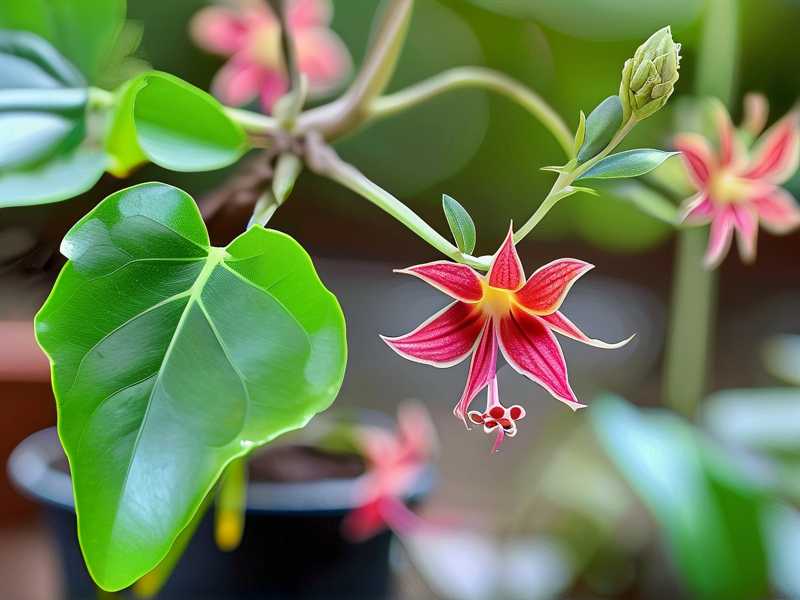
I moved my red coreopsis to a south-facing window. It gets full sun from 10 AM to 4 PM. The flowers are now vibrant and abundant.
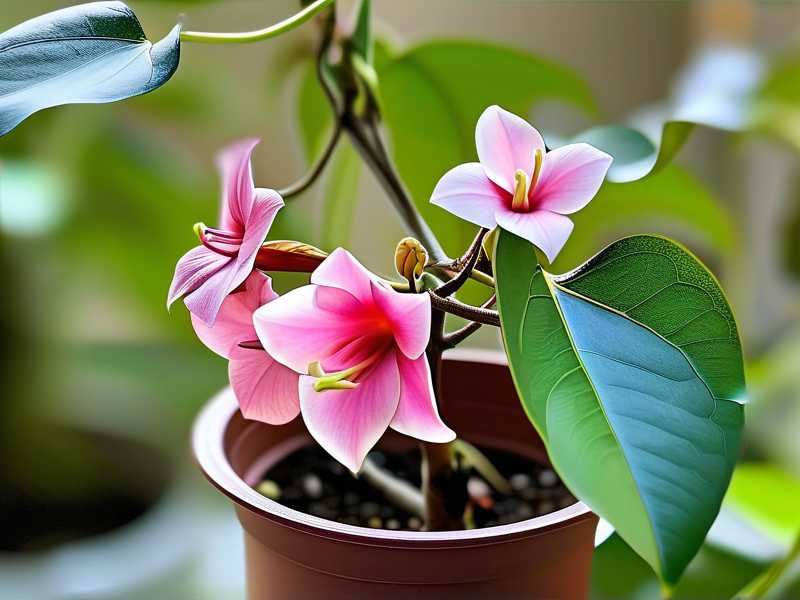
For my pink coreopsis, I placed it on an east-facing balcony. It gets morning sun and afternoon shade. Perfect. The blooms last longer, and the color stays soft and pretty.
The Pot and Soil Combo That Changed Everything
I switched to terracotta pots. They are porous and let the soil dry evenly. I use a well-draining mix: 2 parts potting soil, 1 part perlite, 1 part coarse sand.
I also added a layer of gravel at the bottom. Not for drainage – that’s a myth. But it helps me see when water stops dripping out. Small things matter.
Real Results After 2 Weeks of Correct Care
I tested this routine on two new coreopsis plants I bought. One red, one pink. I treated them exactly according to their needs.
Day 1-3: Both plants looked healthy. I didn’t water them at all. The soil was still moist from the nursery. Day 4: Red coreopsis soil felt dry. I watered it thoroughly. Pink coreopsis still had moisture, so I waited. Day 7: Pink coreopsis got its first watering. I noticed new growth on both plants. Day 10: Red coreopsis started producing new buds. Pink coreopsis looked bushier. Day 14: Both plants are thriving. The red has vibrant, deep-colored flowers. The pink has soft, pastel blooms. No yellow leaves. No rot.
I took photos every day. The difference is obvious. Proper care shows results quickly.
Scientific Backing From Experts
The RHS recommends allowing coreopsis soil to dry between waterings. AHS advises that coreopsis prefers poor to average soil that drains well. I trust these sources because they study plants for decades.
I also found that coreopsis is drought-tolerant once established. That means they can survive a missed watering better than a overwatering. Keep that in mind.
Common Questions I Get Asked
Can red and pink coreopsis grow in the same pot?
I tried this. It’s not ideal. Red coreopsis needs more sun and drier soil. Pink coreopsis prefers partial shade and slightly more moisture. They have different needs. I keep them in separate pots now.
Why are my coreopsis flowers turning brown?
I saw this on my first pink coreopsis. It was getting too much direct afternoon sun. I moved it to morning sun only. The browning stopped within a week. Also check for overwatering – that can cause flower rot.
How often should I fertilize coreopsis?
I fertilize once a month during growing season with a balanced liquid fertilizer. I dilute it to half strength. Too much fertilizer makes plants focus on leaves instead of flowers. I learned that the hard way.
Final Thoughts That Actually Matter
Coreopsis care is not complicated once you understand the basics. Water less than you think. Give red coreopsis full sun and pink coreopsis partial shade. Use pots with drainage holes.
I wasted time and money on those first three plants. But now my garden is full of healthy, blooming coreopsis. You can do the same. Start with one plant. Observe it. Adjust your care based on what you see.
Remember: The color matters. Red and pink coreopsis have different needs. Treat them differently, and they will reward you with months of beautiful blooms.