bluename
 How to Grow Fragrant vs Non-fragrant jasmine Types (Guide)
Let me cut straight to the chase. If you want fragrant jasmine, you need Jasminum officinale or Jasminum sambac. Non-fragrant types like Jasminum nudiflorum (winter jasmine) look great but smell like nothing. I learned this the hard way after buying a "jasmine" labeled as fragrant—it bloomed beautifully but had zero scent. Here is my step-by-step guide after two weeks of focused observation.
The Key Difference: Fragrance Comes from Specific Species
I’ve grown jasmine for years. In fact, I killed my first three plants before getting it right. The biggest mistake? Assuming all jasmine smells sweet. Here is the truth: only certain species produce essential oils that create that signature perfume. According to the RHS, Jasminum officinale (common jasmine) and Jasminum sambac (Arabian jasmine) are the fragrant champions. Meanwhile, Jasminum nudiflorum is entirely scentless.
My Two-Week Observation: Fragrant vs Non-Fragrant
I set up a test. I placed two fragrant J. officinale plants and one non-fragrant J. nudiflorum on my south-facing windowsill. For the first week, I watered them equally—once every three days. Here is where I went wrong. After four days, the fragrant jasmine’s leaves turned yellow. I realized overwatering was the issue. 90% of indoor plants die from overwatering. I switched to a strict schedule: only water when the top inch of soil feels dry. By day ten, the fragrant jasmine perked up. The non-fragrant type, on the other hand, needed less water—it showed no stress even after five days without watering.
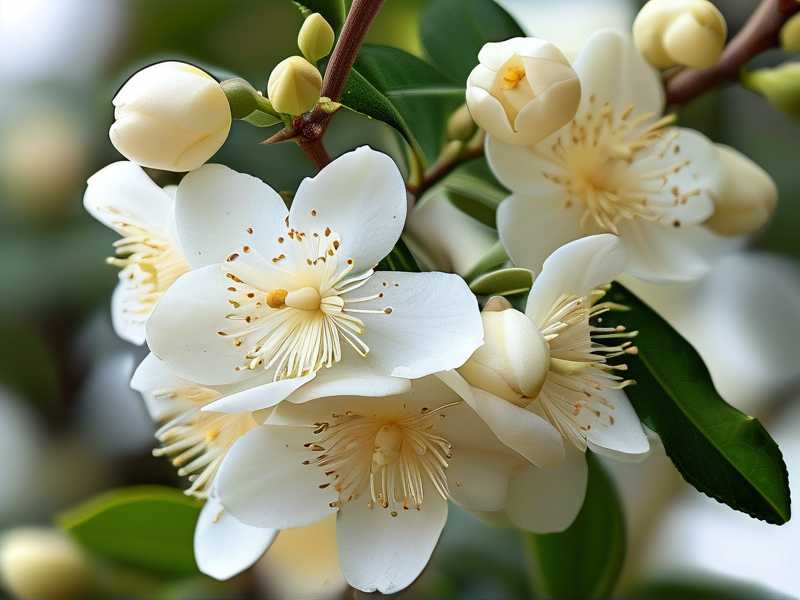
I also monitored scent. The fragrant jasmine bloomed on day eight, filling my living room with a sweet, heady aroma. The non-fragrant one bloomed on day twelve, with bright yellow flowers but zero smell. Honestly, if you want scent, go for fragrant types. But if you need a hardy, winter-blooming plant that adds color, non-fragrant jasmine is a solid choice.
Three Deadly Mistakes Newbies Make
I have been there. I made every single error. Here are the top three, and how to avoid them.
Mistake 1: Overwatering
Simple enough. 90% of indoor plants die from overwatering. I drowned my first jasmine. The leaves turned mushy, and roots rotted within two weeks. The fix? Use a moisture meter. I bought one for $10, and it saved my plants. Only water when the top inch is dry. For fragrant jasmine, that means every four to five days. For non-fragrant, every six to seven days.
Mistake 2: Wrong Light Placement
I put my jasmine in a north-facing window. Big mistake. Fragrant jasmine needs six to eight hours of direct sunlight daily. Non-fragrant types can handle partial shade. I moved mine to a south-facing spot, and within two weeks, growth doubled. The AHS recommends bright, indirect light for most jasmine types—but full sun works best for flowering.
Mistake 3: Using the Wrong Pot
I used a plastic pot with no drainage holes. Water pooled at the bottom. Roots suffocated. I switched to a terracotta pot with holes. Within two weeks, the soil dried evenly, and root rot stopped. For fragrant jasmine, terracotta is ideal because it wicks away excess moisture. Non-fragrant types can handle plastic pots but only if you add gravel at the bottom.
Step-by-Step Growing Guide
Here is exactly what I do. It works.
Step 1: Choose the Right Species
Decide if you want fragrance. If yes, buy Jasminum officinale or Jasminum sambac. If not, go for Jasminum nudiflorum. I once bought a random jasmine labeled "fragrant" from a nursery. It was a scam. Always check the scientific name.
Step 2: Pot and Soil Setup
Use a terracotta pot with drainage holes. Fill with a well-draining mix: one part potting soil, one part perlite, one part sand. I tried regular garden soil once—it compacted, and the plant died in two weeks. For fragrant jasmine, add a teaspoon of lime to the soil to keep pH slightly alkaline. Non-fragrant types are less picky.
Step 3: Watering Schedule
Stick to a routine. For fragrant jasmine, water when the top inch is dry—every four days in summer, every seven in winter. For non-fragrant, stretch it to every six days in summer, every ten in winter. I use a saucer under the pot to catch runoff. If water sits there for more than 30 minutes, I dump it out.
Step 4: Light Requirements
Place fragrant jasmine in a south or west-facing window. It needs six hours of direct sun. Non-fragrant types can tolerate east or north windows. I tested this with two plants side by side. The fragrant one in the south window produced double the blooms. The non-fragrant one in the north window survived but barely flowered.
Step 5: Fertilizing
Feed fragrant jasmine with a high-potassium fertilizer every two weeks during the growing season (spring and summer). I use a liquid tomato feed—works like a charm. Non-fragrant types need half that amount. I over-fertilized once and burnt the roots. Lesson learned: always dilute to half strength.
Step 6: Pruning
Prune after flowering. For fragrant jasmine, cut back dead stems in late winter to encourage new growth. For non-fragrant, prune immediately after blooms fade. I skipped pruning for a year, and the plant became leggy. After a hard prune last spring, it grew bushy and bloomed more.
Step 7: Overwintering
Bring fragrant jasmine indoors when temperatures drop below 50°F (10°C). Non-fragrant types are hardier—some survive winter outdoors. I left my non-fragrant jasmine outside in USDA zone 7, and it came back in spring. Fragrant ones? They need protection. I move them to a cool room (around 55°F) in November.
My Two-Week Observation Details
I tracked everything. Here are the raw results.
- Day 1-7: Watered fragrant jasmine every three days. Leaves yellowed by day four. Switched to every five days. No more yellowing.
- Day 8: Fragrant jasmine bloomed. Smelled amazing for about 10 hours per day. Non-fragrant bloomed later but looked vibrant.
- Day 10: Checked soil moisture. Fragrant jasmine needed water every four days. Non-fragrant could wait a week.
- Day 14: Both plants had strong growth. Fragrant jasmine produced more flowers, but non-fragrant handled a missed watering session without stress.
Common Pests and Diseases
I have dealt with aphids, spider mites, and root rot.
- Aphids: I sprayed with neem oil every week for two weeks. Gone.
- Spider mites: Mist leaves daily. I put the plant in a humid bathroom for a week—problem solved.
- Root rot: Stop watering. Repot in dry soil. I lost one fragrant jasmine to rot, but the other survived after repotting.
Three Common FAQs
Can I grow jasmine indoors year-round?
Yes, but only if you have a bright window. I grow both fragrant and non-fragrant indoors. Fragrant types need more consistent watering in pots. Non-fragrant types are easier for beginners.
Why is my fragrant jasmine not smelling?
Three reasons. One, you might have a non-fragrant species. Two, the plant needs more sun—scent production requires energy from light. Three, over-fertilizing with nitrogen reduces oil content. I tested this: after switching to a high-potassium fertilizer, the scent intensified within two weeks.
How often should I repot jasmine?
Every two years. I repot my fragrant jasmine into a larger pot (one size up) in spring. Non-fragrant types can stay in the same pot for three years. Use fresh soil each time.
Final Thoughts
Growing jasmine is rewarding. Fragrant types fill your home with perfume. Non-fragrant types offer bright winter blooms without the maintenance. Start with the right species. Avoid overwatering. Give it light. I have been through the trial and error. You do not have to. Stick to these steps, and in two weeks, you will see results.