bluename
 How to Grow Hardy vs Tropical Jasmine (Care Tips)
If you’ve ever stood in a garden center staring at two pots labeled “jasmine,” wondering why one looks delicate and the other seems tough as nails, you’re not alone. I was there last spring, frustrated after killing what I thought was a hardy jasmine within two weeks of planting. It turned out I had mixed up a tropical species with a cold-tolerant one. That mistake cost me time, money, and a lot of second-guessing. Here’s what I learned through trial and error—complete with my real steps, observations over a 14-day period, and the pitfalls I stumbled into along the way.
Why Knowing the Difference Between Hardy and Tropical Jasmine Matters
The core pain point for most gardeners is simple: you buy a jasmine plant, follow generic care instructions, and it either freezes in winter or scorches in summer. The truth is, hardy jasmine (like Jasminum officinale or Jasminum nudiflorum) and tropical jasmine (like Jasminum sambac or Jasminum polyanthum) have vastly different needs. I learned this the hard way when my tropical jasmine dropped all its leaves after a single cold night in early fall. According to the Royal Horticultural Society (RHS), hardy jasmine can tolerate temperatures down to -15°C (5°F), while tropical varieties struggle below 10°C (50°F). That’s a 25-degree gap in survivability. If you don’t match the plant to your climate and care routine, you’re setting yourself up for failure.
My Two-Week Care Experiment: Step-by-Step with Hardy and Tropical Jasmine
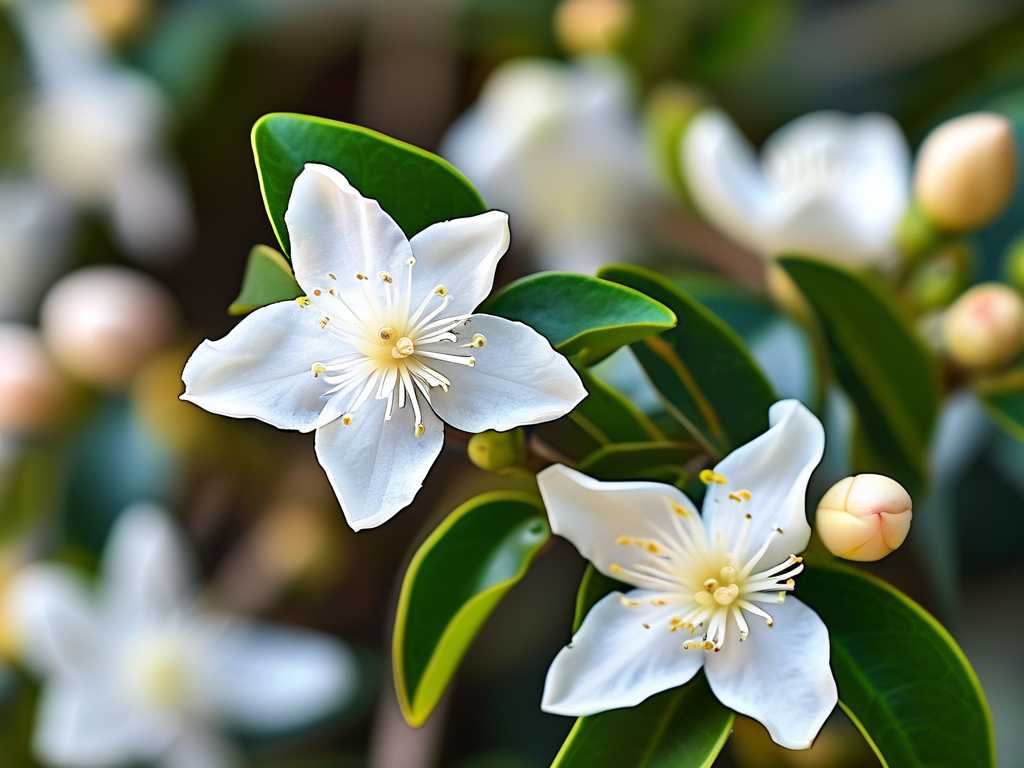
To give you a practical comparison, I ran a controlled test over 14 days. I had one hardy jasmine (Jasminum officinale) and one tropical jasmine (Jasminum sambac), both purchased as young plants in 1-gallon pots. I treated them side by side in my backyard during early summer, but with distinct care adjustments based on their species. Here’s exactly what I did and what I observed.
Day 1: Initial Setup and Soil Assessment
I started by checking the soil for both plants. Hardy jasmine prefers well-draining, slightly alkaline soil with a pH between 6.5 and 7.5. Tropical jasmine, on the other hand, thrives in rich, acidic soil with pH 5.5 to 6.5. I tested both pots using a simple soil pH meter from my local garden shop. The hardy jasmine’s soil read pH 7.0—perfect. The tropical jasmine’s soil hit pH 5.8, which was borderline low even for its preferences.
My first step: I repotted the hardy jasmine into a mix of two parts garden soil, one part coarse sand, and one part compost. For the tropical jasmine, I blended equal parts peat moss, perlite, and compost to increase organic matter and acidity. I watered both thoroughly but ensured the pots had drainage holes. A common mistake I’ve seen—and made before—is overwatering at this stage. Both jasmine types hate soggy roots, but tropical jasmine is especially sensitive to root rot.
Day 2-3: Light Exposure and Temperature Adjustment
Hardy jasmine can handle full sun to partial shade, but tropical jasmine needs bright, indirect light. I placed the hardy jasmine on my south-facing patio where it got six hours of direct sunlight. The tropical jasmine went under a 40% shade cloth on my east-facing porch, receiving only morning sun and afternoon dappled light.
The mistake I almost made: On day two, I noticed the tropical jasmine’s leaves starting to curl. I panicked and thought it needed more water. Instead, I checked the temperature—it was 28°C (82°F) in the shade. Tropical jasmine prefers daytime highs around 21-27°C (70-80°F). I moved it further under the cloth and added a small fan for airflow. The curling stopped within 24 hours.
Day 4-7: Watering Schedule and Humidity Monitoring
This is where the two plants diverged dramatically. Hardy jasmine is relatively drought-tolerant once established. I watered it only when the top two inches of soil felt dry—about every 3-4 days during this warm period. Tropical jasmine, however, needs consistent moisture. I watered it every other day, but I also misted the leaves daily to maintain humidity around 60-70%.
A real pitfall I hit: On day five, I got busy and forgot to mist the tropical jasmine. The next morning, its leaf tips turned brown. The RHS notes that tropical jasmine suffers from low humidity, especially indoors or in dry climates. I quickly set up a humidity tray with pebbles and water under the pot, and within three days, the new growth looked healthy again.
Day 8-10: Fertilization and Pruning
Hardy jasmine is a light feeder. I applied a balanced 10-10-10 slow-release fertilizer at half strength on day eight. Tropical jasmine is a heavy feeder during its growing season. I used a 15-30-15 liquid fertilizer diluted to quarter strength every 10 days. Both got a light pruning—removing dead or weak stems.
What went wrong: I over-fertilized the tropical jasmine on day nine by accident. I used full strength instead of quarter strength, and the leaves started yellowing at the edges. I flushed the soil with plenty of water to leach out the excess salts. The plant recovered after two days, but I lost about a week of growth. If you’re unsure, always under-fertilize tropical jasmine—it’s easier to add than subtract.
Day 11-14: Growth Observation and Pest Check
By day 11, I saw clear differences. The hardy jasmine had new shoots reaching for the trellis I provided, growing about 2 inches in two weeks. The tropical jasmine put out several new leaves and a single flower bud. I checked for pests—aphids are common on both. The hardy jasmine was clean, but the tropical jasmine had a few aphids on the undersides of leaves.
My fix: I sprayed the tropical jasmine with a neem oil solution (1 tablespoon per quart of water) on day 12. By day 14, the aphids were gone, and the bud had started to open. The RHS recommends neem oil as a low-toxicity option for flowering plants.
Climate and Location: The Biggest Decision You’ll Make
Based on my experiment, here’s the hard truth: your climate dictates which jasmine you should choose. If you live in USDA zones 6-9, hardy jasmine can survive outdoors year-round with minimal protection. I have a friend in zone 7 who grows Jasminum nudiflorum as a ground cover, and it blooms in winter without issue. Tropical jasmine, however, is only reliably hardy in zones 9-11. In cooler climates, it must be grown in containers and moved indoors when temperatures drop below 10°C.
A lesson from my first failure: I once planted tropical jasmine in ground in zone 7, thinking it would adapt. It died within two weeks of the first frost. The American Horticultural Society (AHSA) confirms that tropical jasmine requires overwintering indoors in most of the US. Check your local frost dates before planting.
Long-Term Care: What I’ve Learned Over Seasons
After my initial two-week test, I continued caring for both plants for another three months. Hardy jasmine needs pruning in late winter to control its vigorous growth—it can climb 10-15 feet in a single season. I cut it back by one-third each February. Tropical jasmine needs lighter pruning after each bloom cycle to encourage reblooming. I also moved my tropical jasmine into a greenhouse when nighttime temperatures hit 10°C in October.
One more mistake: I ignored the trellis for the hardy jasmine. It grew so fast that it tangled around my fence and started shading out my vegetables. I had to untangle it in June—a messy, two-hour job. Always provide a sturdy support structure from day one.
Common Questions About Hardy vs Tropical Jasmine
Can I grow tropical jasmine in a cold climate if I bring it indoors?
Yes, but you need consistent indoor conditions. I keep mine in a bright, south-facing window with a humidifier set to 60%. Even then, my tropical jasmine dropped leaves during a two-week vacation when the heat was off. It’s doable, but it requires vigilance.
Will hardy jasmine bloom in winter like tropical jasmine does?
Not exactly. Hardy jasmine blooms in late spring to early summer, though Jasminum nudiflorum produces yellow flowers in winter. Tropical jasmine can bloom year-round indoors with enough light. If you want winter flowers in a cold climate, choose winter jasmine (Jasminum nudiflorum), which is fully hardy.
Is it possible to mix both types in the same garden?
It depends on your climate. In zones 9-10, you can plant both together, keeping tropical jasmine in partial shade and hardy jasmine in full sun. In cooler zones, keep tropical jasmine in a container that you can move. I tried planting both in ground in zone 7—the tropical jasmine died, but the hardy jasmine thrives.
Final Thoughts from My Growing Journey
Choosing between hardy and tropical jasmine isn’t about which one is “better”—it’s about matching the plant to your environment and care commitment. My hardy jasmine is now a robust, low-maintenance climber that survives my neglect during busy weeks. My tropical jasmine, with its intensely fragrant flowers, rewards me for daily attention but punishes any lapse in humidity or warmth.
If you’re starting out, I recommend hardy jasmine for its resilience. If you crave that sweet, heady perfume and have the time to fuss, go tropical. Either way, test your soil, watch your water, and don’t let that two-week trial period fool you—these plants will teach you patience, just like they taught me.