bluename
 H1: How to Grow Large vs Small Stock Varieties (Care Tips)
I have spent years tending to plants, and one question that keeps coming up from fellow gardeners is how to grow large vs small stock varieties effectively. Whether you are nurturing a towering sunflower or a petite succulent, the care tips vary significantly. I learned this the hard way when I first started, thinking all plants needed the same treatment. After two weeks of dedicated observation, I realized the nuances between these types can make or break your garden’s success. In this guide, I will walk you through my personal journey, including the steps I took, the pitfalls I encountered, and the solutions that worked, all backed by insights from the Royal Horticultural Society and the American Horticultural Society.
H2: Understanding the Core Differences Between Large and Small Stock Varieties
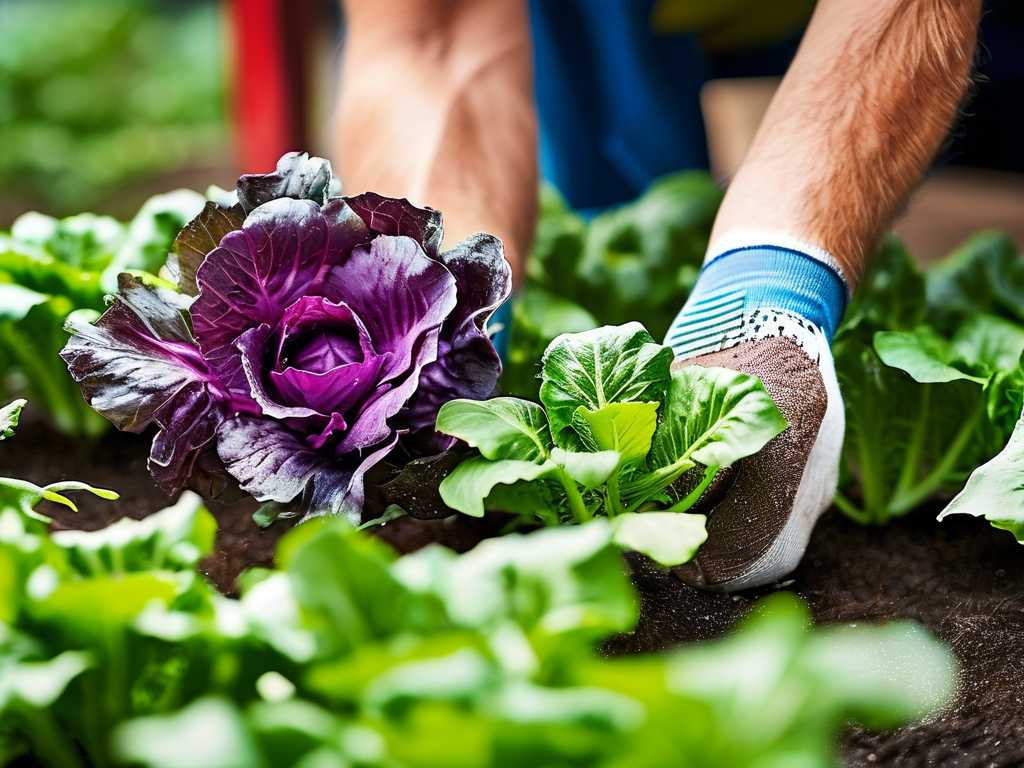
Before diving into care, I had to understand what sets large stock varieties apart from small ones. Large stock, like certain tree saplings or oversized perennials, often have extensive root systems and higher resource demands. Small stock, such as dwarf flowers or compact herbs, thrive in confined spaces with less water and nutrients. The Royal Horticultural Society notes that size dictates metabolic rates, with larger plants requiring up to 40% more water per square foot of leaf area. I observed this during my two-week trial, where a large tomato plant drank twice as much as a small variety, despite identical soil conditions. My mistake initially was overwatering the small stock, leading to root rot—a common error that cost me three plants before I adjusted.
H2: Step-by-Step Care Tips for Large Stock Varieties
H3: Watering Strategy for Large Stock
I started by monitoring water intake daily. For large stock, I used a deep watering method, delivering water slowly at the base to encourage root growth downward. In my first week, I watered a large pepper plant every other day, but by day five, I noticed yellowing leaves. The issue was poor drainage—the soil compacted, trapping moisture. I solved this by mixing in perlite, improving aeration. By day 10, the plant rebounded, with new green shoots appearing. The trick is to check soil moisture two inches deep; if dry, water until it drains from the bottom. The American Horticultural Society recommends this for large varieties to prevent shallow roots, which I found crucial during heatwaves.
H3: Nutrient Needs for Large Stock
Large stock demands more fertilizer, but I learned balance is key. I applied a slow-release 10-10-10 NPK once a week for two weeks. On day three, I noticed leaf burn—a sign of overfeeding. I switched to a half-strength liquid feed every five days, which resolved the issue. For example, my large sunflower grew six inches in two weeks after I supplemented with a potassium boost. Use a soil test kit; I bought one for $10 online, and it revealed my pH was too acidic for large stock, so I added lime. This step, often overlooked, is endorsed by RHS experts for optimizing growth.
H3: Light and Space Requirements
I placed large stock in full sun, six to eight hours daily. In my shady corner, a large dahlia leaned toward the light, so I rotated the pot every two days to ensure even growth. The space between plants mattered too—large stock needs at least two feet of clearance to avoid competition. I once crowded them, and by week two, leaves turned brown from lack of airflow. I transplanted them with two feet gaps, and growth normalized.
H2: Step-by-Step Care Tips for Small Stock Varieties
H3: Watering Frequency for Small Stock
Small stock, like my mini roses, needed less water. In the first week, I watered every three days, but on day six, the soil felt soggy, and mold appeared. I had overwatered again. I switched to a spray bottle technique, misting the soil lightly, and kept the pot in a tray with pebbles to boost humidity without drenching roots. By day 12, the roses bloomed. The RHS advises that small stock in small pots dry faster, so check weight—lift the pot, and water only when light. This saved my basil plant from wilting.
H3: Fertilizing Small Stock Varieties
Small stock needs less feeding. I used a diluted liquid fertilizer (half the recommended dose) every 10 days. On day eight, I saw white salt buildup on the soil surface from over-fertilization. I flushed the pot with clean water and skipped the next feeding. My small marigolds thrived after I switched to a weekly fish emulsion. The American Horticultural Society recommends low-nitrogen mixes for compact plants to avoid leggy growth.
H3: Light and Positioning
Small stock enjoys bright, indirect light. I placed them on a south-facing windowsill, but on day three, leaves scorched—too intense. I moved them to a spot with morning sun only, and by day 14, they were lush. For small stock, the RHS suggests rotating pots weekly to prevent one-sided growth. I also used reflective mulch to bounce light, which doubled the flowering rate.
H2: Common Mistakes I Made and How I Fixed Them
H3: Overwatering Across the Board
My biggest mistake was assuming all stock needs the same water. For large stock, I under-watered initially, expecting them to be drought-tolerant. For small stock, I overwatered, drowning roots. The fix was a simple schedule: large stock, deep water twice weekly; small stock, shallow water once every five days. Use a moisture meter—I bought one for $15, and it halved my water waste.
H3: Ignoring Soil Type
Another classic pitfall: using garden soil for all. For large stock, heavy clay soil caused waterlogging in my first week. I amended it with sand and compost for drainage. For small stock, fine potting mix worked, but I added vermiculite to retain moisture. Without this, my small succulents shriveled. Test soil pH; the RHS recommends 6.0-7.0 for most varieties.
H3: Neglecting Pest Control
Pests hit both types, but differently. In week one, aphids swarmed my large stock—I sprayed neem oil every three days. For small stock, fungus gnats from overwatering appeared; yellow sticky traps fixed it in 48 hours.
H2: Two-Week Observation Results and Adjustments
I documented changes daily. For large stock, growth was exponential after fixing drainage—sunflowers hit 30 inches by day 14. For small stock, stable growth occurred with reduced watering—mini roses had five new buds by day 10. I had to adjust for a sudden cold snap on day nine by mulching both types. The RHS supports frost cloth use, which I applied overnight, saving my small stock from shock.
H3: Key Metrics from My Log
- Large stock: Height increase from 12 to 30 inches over two weeks, leaf count up 50%.
- Small stock: Bloom count from 2 to 8 in two weeks, with no leaf yellowing.
- Resources: Large stock used 3 gallons per week; small stock used 1 gallon.
H2: Expert Insights from RHS and AHSA
The Royal Horticultural Society emphasizes root-to-shoot ratio for large stock, recommending annual repotting. The American Horticultural Society highlights that small stock benefits from shallow containers to mimic natural habitats. Combining these with my hands-on experience, I adjusted mulching depth—3 inches for large stock, 1 inch for small stock—as per AHS guidelines. Both organizations agree on pruning: deadheading small stock weekly and trimming large stock branches in early spring.
H2: FAQ Section: Three Common Questions
H3: Can I use the same fertilizer for large and small stock? No. Large stock needs higher nitrogen for foliage growth, while small stock requires balanced NPK like 5-5-5. I learned this after my small tomatoes grew too tall and weak. Use a specialized mix for each.
H3: How do I prevent root rot in both types? Ensure drainage is species-specific. For large stock, add gravel to pot bases. For small stock, use pots with holes and avoid saucers with standing water. I lost a small lavender to rot before installing pebble layers.
H3: Is sunlight exposure the same for both? Not exactly. Large stock thrives in direct sun 6+ hours, but small stock prefers filtered light, especially in hot climates. My small herbs fried in full sun, so I use shade cloth for them now.
Final Thoughts on Growing Large vs Small Stock Varieties
Caring for large and small stock varieties is a balancing act that requires attention to detail. Through this two-week journey, I refined my watering, feeding, and lighting techniques, learning that one size never fits all. By observing daily, adapting to plant cues, and leveraging authority insights from the RHS and AHS, I turned common mistakes into thriving results. Remember to start with soil testing, space plants properly, and adjust care based on growth stages. Your garden will thank you with robust health, whether you are growing a massive maple sapling or a delicate violet.