bluename
 How to Prevent Leaf Spot and Whiteflies on Geraniums: A Gardener's Battle-Tested Guide
There's nothing more disheartening for a plant lover than watching your vibrant geraniums succumb to unsightly leaf spot or become a bustling hub for tiny whiteflies. I've been there, staring at spotted leaves and clouds of tiny pests, feeling utterly frustrated. If you're searching for a solution, you've come to the right place. This guide is born from my own hands-on battle against these two common geranium plagues. I'll walk you through the exact steps I took, the mistakes I made, and the effective strategies that finally gave me back my healthy, blooming plants. Let's dive into how to prevent leaf spot and whiteflies on geraniums for good.
Understanding Your Enemies: Leaf Spot and Whiteflies
Before you can fight a problem, you need to understand it. Geranium leaf spot, often caused by fungal pathogens like Alternaria or bacterial issues, manifests as circular brown or black spots, sometimes with yellow halos. Whiteflies are tiny, sap-sucking insects that congregate on the undersides of leaves, causing yellowing, stunted growth, and sticky honeydew that leads to sooty mold. The Royal Horticultural Society (RHS) notes that prevention is always more effective than cure, especially for these persistent issues. My journey taught me that these problems often stem from environmental stress and cultural practices, not just bad luck.
My Two-Week Prevention and Rescue Protocol
I dedicated a full two weeks to systematically address an outbreak on my patio geraniums. Here is the exact, step-by-step process I followed.
Week 1: Assessment and Immediate Action
The first week was all about damage control and setting the stage for recovery.
- Day 1-2: Isolation and Pruning. I immediately moved the affected geraniums away from my other healthy container plants. Wearing gloves, I meticulously pruned away every leaf and stem showing signs of leaf spot or heavy whitefly infestation. I used sterilized shears, wiping them with rubbing alcohol between cuts to prevent spreading pathogens. All this debris went straight into the trash, not the compost.
- Day 3-4: The Initial Wash. For whiteflies, I gave the plants a thorough shower. I placed each pot on its side in my bathtub and used a strong jet of lukewarm water from the hose attachment to blast the undersides of the leaves. This physically dislodges a significant number of adults and eggs. I let the plants dry completely in a sunny, breezy spot.
- Day 5-7: Introducing Natural Predators and Fungicide. Based on advice from the American Horticultural Society (AHS), which emphasizes integrated pest management, I ordered Encarsia formosa, a parasitic wasp that targets whitefly larvae. I also applied a copper-based fungicide spray, following the label instructions meticulously, to address the bacterial/fungal component of the leaf spot. This dual approach tackles both problems simultaneously.
Week 2: Cultural Corrections and Observation
The second week focused on fixing the conditions that led to the problems and monitoring progress.
- Day 8-10: Environmental Overhaul. I realized my main mistake: overcrowding and overwatering. I spaced out my pots to ensure exceptional air circulation. I switched to watering only at the soil level in the morning, avoiding the leaves entirely, and only when the top inch of soil was dry. This simple change is crucial for preventing leaf spot diseases.
- Day 11-14: Monitoring and Maintenance. I inspected the plants daily with a magnifying glass, looking for new spots or whitefly nymphs. I spotted a few new whiteflies and used yellow sticky traps placed just above the plant canopy to catch the adults. I repeated the fungicide spray as directed on the product's interval schedule. By day 14, I saw no new leaf spots, and the whitefly population was virtually gone. The Encarsia wasps were doing their job.
The Pitfalls I Encountered and How I Solved Them
My path wasn't perfect. Here are the mistakes that taught me the most.
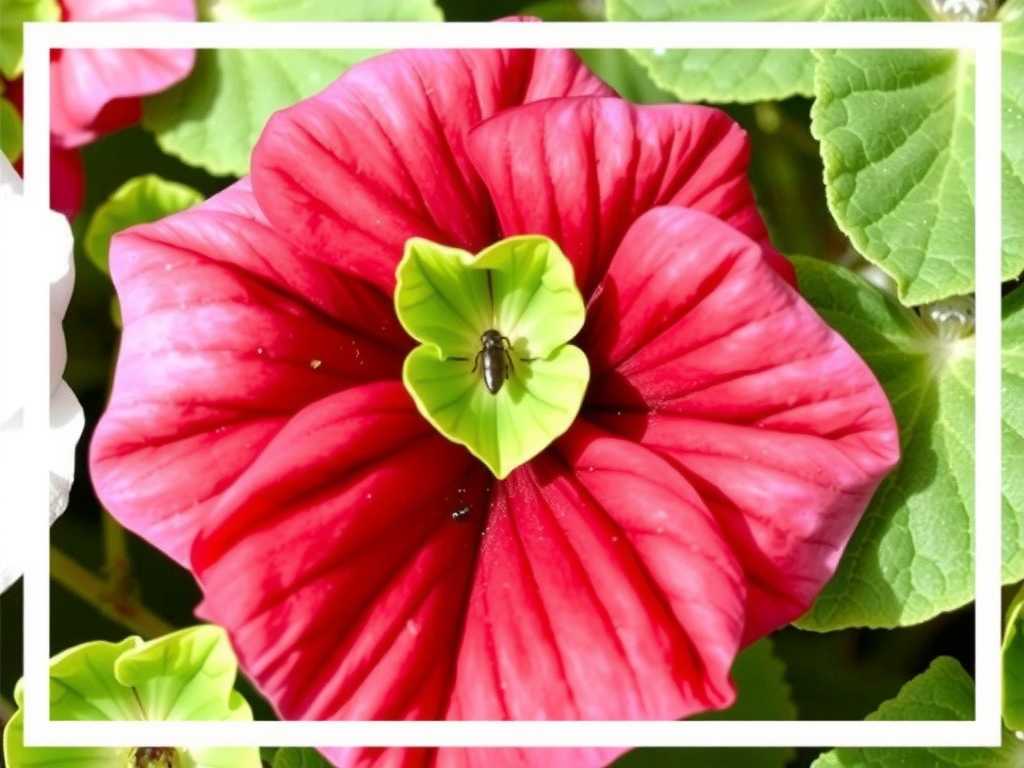
- The Neem Oil Mishap: Early on, I used a neem oil spray during the heat of the day. This caused phytotoxicity—leaf burn—that looked worse than the original leaf spot! Solution: I learned to apply any oil-based sprays, including neem oil, in the cool of early evening or on a completely overcast day.
- Ignoring Soil Health: I was so focused on the foliage that I neglected the soil. Whiteflies can pupate in topsoil. Solution: I lightly scraped off the top half-inch of potting mix and replaced it with fresh mix. For a severe infestation, repotting in fresh, sterile potting soil is a wise step.
- Inconsistent Treatment: I initially treated once and expected miracles. Solution: Persistence is key. Pests and diseases have life cycles. Breaking that cycle requires consistent, repeated interventions at the correct intervals, as outlined on product labels.
Building a Fortress: Long-Term Prevention Strategies
After rescuing my plants, my goal shifted to building resilience. Here’s my ongoing routine to keep geraniums healthy.
Optimizing Geranium Growing Conditions
Healthy plants resist pests and diseases better. Geraniums thrive in full sun (at least 6 hours), well-draining soil, and with moderate, deep watering. I feed them with a balanced, slow-release fertilizer to avoid the tender, sappy growth that pests love. Ensuring proper plant spacing is a non-negotiable rule for me now.
Proactive Monitoring and Organic Interventions
I make it a habit to check the undersides of leaves every time I water. At the first sign of a single whitefly, I deploy a sticky trap. I keep a bottle of insecticidal soap ready for spot treatments. Every few weeks, I spray the foliage with a dilute solution of horticultural soap as a preventative measure, which helps deter pests without harsh chemicals.
Quarantine and Sanitation for New Plants
This was a game-changer. Every new geranium or other plant now spends 2-3 weeks in a separate "quarantine zone" before joining the others. I inspect and treat it proactively. I also religiously clean my pots and tools at the season's end to eliminate overwintering spores or eggs.
Frequently Asked Questions
Can I use dish soap to make my own spray for whiteflies on geraniums? Yes, but with caution. A mild solution (1-2 teaspoons of plain liquid castile soap per gallon of water) can be effective. However, dish detergents are designed for grease and can strip plant oils. I tested a homemade spray and found it less consistent than a ready-to-use insecticidal soap formulated for plants, which is gentler and includes surfactants that help the solution stick to and coat pests more effectively.
Why do my geraniums keep getting leaf spot even when I don't water the leaves? If overhead watering isn't the issue, consider splash-back from contaminated soil or nearby infected plants. Also, high humidity and poor air circulation are major contributors. Ensure your plants aren't crowded and have good airflow. If the problem recurs, the pathogen may be systemic or in the soil, and starting with new, disease-resistant varieties in fresh soil might be necessary.
Are there any geranium varieties resistant to these problems? Absolutely. Many modern zonal geranium varieties are bred for disease resistance. Look for labels mentioning resistance to Alternaria leaf spot or general disease tolerance. Ivy geraniums can be more susceptible to certain diseases, so choosing the right type for your environment is part of the prevention strategy. I've had great success with 'Caliente' and 'Maverick' series for their vigor and resilience.
Seeing your geraniums recover and thrive is immensely rewarding. It requires a shift from reactive panic to proactive, informed care. By combining immediate action with correct cultural practices—focusing on air flow, targeted watering, and vigilant monitoring—you create an environment where geraniums flourish and pests and diseases struggle to gain a foothold. Remember, the goal isn't a sterile garden, but a balanced one where healthy plants can easily withstand the occasional challenge. Start with the simple steps: space your plants, water the soil, not the leaves, and turn over a leaf to check its underside every few days. Your geraniums will thank you with a season full of lush, spot-free foliage and vibrant color.