bluename
 How to Treat Gray Mold and Common Aphids on Cyclamens: A Complete Guide for Healthy Plants
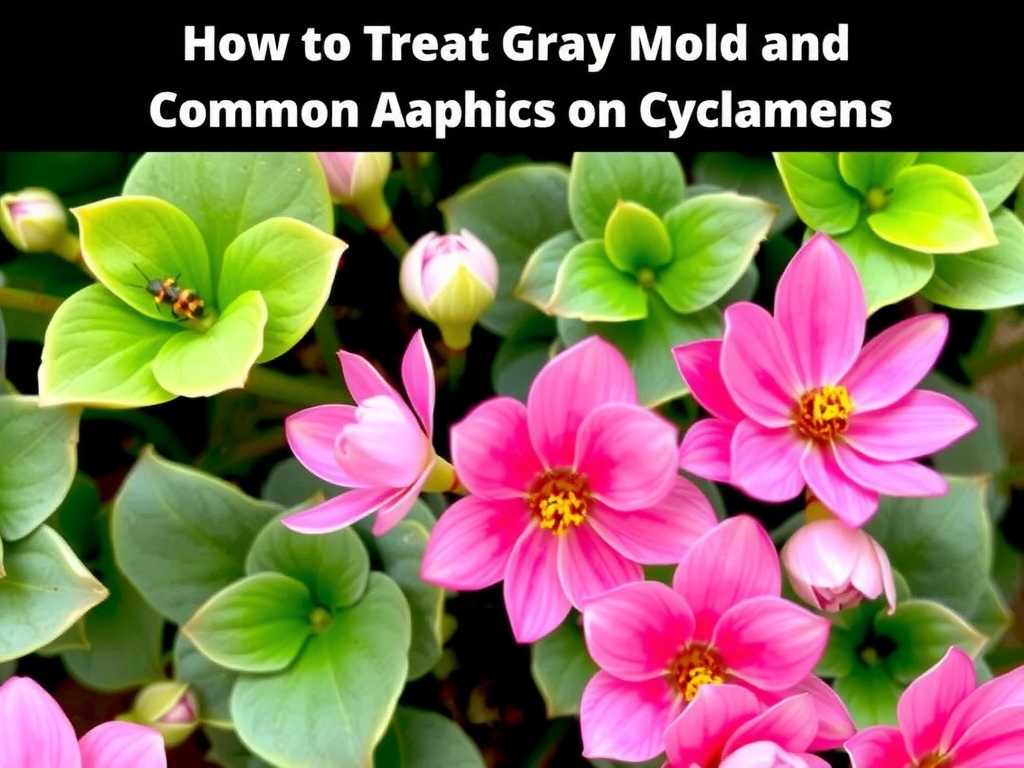
Seeing your beautiful cyclamens struggle with fuzzy gray patches or clusters of tiny bugs is disheartening. These common issues, gray mold (Botrytis cinerea) and aphid infestations, can quickly diminish your plant's vibrant blooms and lush foliage. This comprehensive guide provides clear, actionable steps to identify, treat, and prevent these problems, restoring your cyclamen's health and beauty.
Understanding the Threats to Your Cyclamen
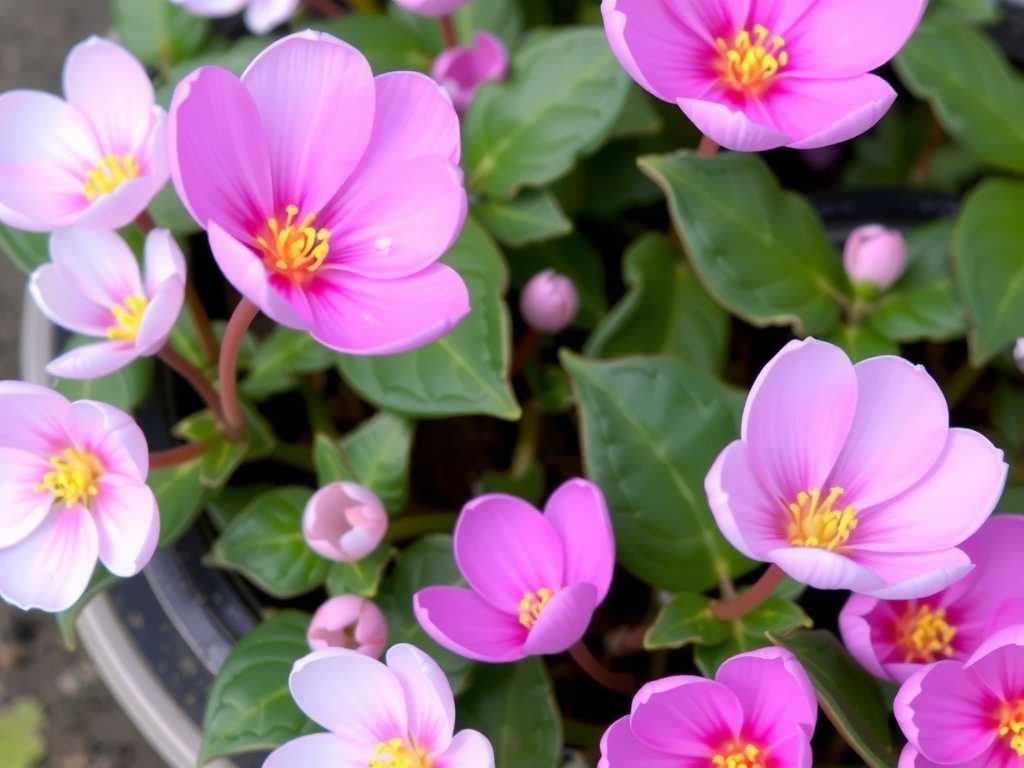
Cyclamens, with their elegant swept-back flowers and marbled leaves, are popular indoor and seasonal plants. Their health can be compromised by specific environmental conditions and pests. Two of the most frequent challenges are the fungal disease gray mold and sap-sucking common aphids. Left untreated, both can severely weaken or even kill the plant. Early and correct identification is the first critical step toward effective treatment.
Identifying and Treating Gray Mold on Cyclamens
Gray mold, caused by the Botrytis cinerea fungus, thrives in cool, damp, and poorly ventilated conditions—often the same environment cyclamens prefer. It typically appears as fluffy, grayish-brown mold on flowers, leaves, or stems. Affected areas may look water-soaked initially before the characteristic mold develops.
Immediate Action Steps for Gray Mold:
- Isolate the Plant: Immediately separate the infected cyclamen from your other houseplants to prevent the spores from spreading.
- Remove Infected Material: Carefully prune away all moldy flowers, leaves, and stems. Use sterilized scissors or shears. Cut back to healthy tissue. Do not compost this material; seal it in a bag and dispose of it.
- Improve Air Circulation: Increase space between plants and use a small fan on a low setting to keep air moving gently. Avoid placing cyclamens in stagnant corners.
- Adjust Watering Practices: Water the soil directly at the base of the plant, avoiding wetting the leaves, flowers, or crown. Allow the top inch of soil to dry slightly between waterings. The Royal Horticultural Society (RHS) emphasizes that avoiding overhead watering is one of the most effective cultural controls for Botrytis.
- Apply a Fungicide: For persistent cases, use a suitable fungicide. Products containing chlorothalonil, copper-based fungicides, or biological controls like Bacillus subtilis can be effective. Always follow the label instructions precisely.
Preventing Gray Mold Recurrence Prevention is always more effective than cure. Ensure your cyclamen receives bright, indirect light. Water in the morning so any accidental splashes dry quickly. Maintain moderate humidity and avoid overcrowding plants. Regularly remove any dead or dying flowers and yellowing leaves to eliminate potential sites for the fungus to establish.
Combating Common Aphid Infestations on Cyclamens
Aphids are small, soft-bodied insects that cluster on new growth, buds, and the undersides of leaves. They pierce plant tissues and suck sap, causing leaves to curl, distort, and yellow. They also excrete a sticky substance called honeydew, which can lead to sooty mold. Common aphids on cyclamens are often green but can also be black or white.
Effective Treatment for Aphid Infestations:
- Initial Physical Removal: For light infestations, a strong jet of lukewarm water from a spray bottle can dislodge many aphids. Do this over a sink or outdoors. Wipe remaining pests off with a soft cloth or cotton swab.
- Use Insecticidal Soap or Neem Oil: These are highly effective, low-toxicity options. Insecticidal soap works by breaking down the insects' outer layer. Neem oil acts as both a repellent and an insect growth regulator. Thoroughly spray all plant surfaces, especially under leaves, once a week for 2-3 weeks. The American Horticultural Society (AHA) notes that neem oil is a valuable tool for integrated pest management, offering a natural alternative to synthetic chemicals.
- Introduce Natural Predators: For indoor or greenhouse settings, you can release beneficial insects like ladybugs or lacewings, which are voracious aphid predators.
- For Severe Infestations: Systemic insecticides may be considered as a last resort for overwhelming problems. Use these with extreme caution, especially indoors, and strictly according to the product label.
Preventing Future Aphid Problems Regularly inspect your cyclamen, especially when bringing new plants home. Keep the plant healthy and vigorous through proper feeding and care, as stressed plants are more susceptible. Ants often "farm" aphids for honeydew, so controlling ants can help reduce aphid populations.
Creating an Optimal Environment for a Resilient Cyclamen
A healthy cyclamen is your best defense. Provide bright, indirect light and maintain a cool temperature between 60-68°F (15-20°C) during its growth and bloom period. Use a well-draining potting mix and a pot with drainage holes to prevent waterlogged soil, which stresses the plant and encourages root rot and fungal issues. Fertilize lightly with a balanced, water-soluble fertilizer during active growth.
What is the best homemade spray for aphids on cyclamens? A simple and effective spray can be made by mixing 1-2 teaspoons of mild liquid soap (like castile soap) with 1 quart of lukewarm water. Test it on a small leaf first, then spray thoroughly on the plant, rinsing it off after a few hours. A neem oil solution (per product instructions) is another excellent homemade option with residual preventative effects.
Can gray mold spread to other houseplants? Yes, Botrytis cinerea spores are easily carried by air currents, water splash, and even on tools or hands. This is why immediate isolation of the infected plant and careful sanitation during treatment are crucial steps to protect your entire plant collection.
Why do my cyclamen's leaves turn yellow after treating for pests or disease? Some yellowing can be a natural part of the plant's lifecycle, especially older leaves dying back. However, post-treatment yellowing can also indicate stress from the infestation itself, chemical sensitivity to a treatment (always follow dilution rates), or a cultural issue like overwatering. Assess your care routine and ensure the plant is recovering in ideal conditions.
Successfully managing gray mold and aphids on cyclamens hinges on prompt identification, consistent treatment, and proactive prevention. By combining immediate action with long-term adjustments to your plant's environment and care, you can overcome these challenges. Regular observation is the most powerful tool in your gardening toolkit, allowing you to catch problems early and enjoy the stunning, long-lasting display of a healthy cyclamen.