bluename
 How to Adjust the Shallow Planting Depth of Amaryllis Bulbs When Repotting
I’ve been growing amaryllis for years, and if there’s one repotting mistake I see fellow enthusiasts make time and again, it’s planting the bulb too deep. You carefully prepare a beautiful pot, nestle the bulb in, cover it with soil, and then… you wait. And wait. The leaves might struggle, the flower stalk seems hesitant, and sometimes, the bulb just sits there, refusing to perform. The problem often isn’t the bulb’s health, but its planting depth. Today, I want to share my hands-on experience on precisely how to adjust for shallow planting when repotting your amaryllis. This isn’t just theory; it’s a method I refined through trial, error, and careful observation over a dedicated two-week period.
The core principle is simple: amaryllis bulbs thrive when their shoulders and neck are exposed. Planting too deep can lead to rot, inhibited flowering, and general unhappiness for the plant. My goal was to master the adjustment process—from recognizing the need for a shallower setup to executing the repot and monitoring the recovery.
Understanding Why Shallow Planting is Non-Negotiable
Before we get our hands dirty, let’s understand the “why.” The amaryllis bulb is a storage organ. Its base (the basal plate) sends out roots, and its neck produces the flower stalk and leaves. Burying the bulb too deeply puts excessive moisture pressure on the neck, creating a prime environment for fungal and bacterial rot, as noted in resources from the American Horticultural Society (AHS). Furthermore, the emerging flower stalk needs a clear, unencumbered path to the surface. A deep planting forces it to expend crucial energy navigating through soil, potentially weakening the bloom.
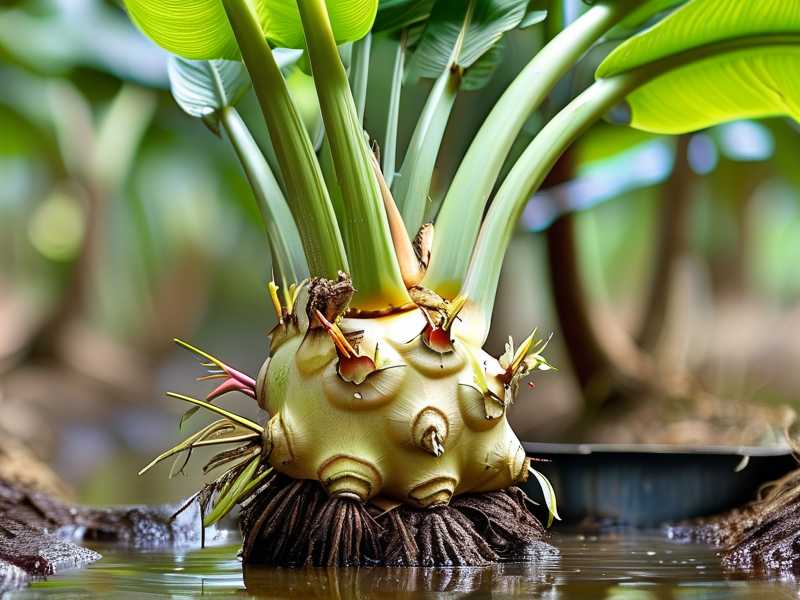
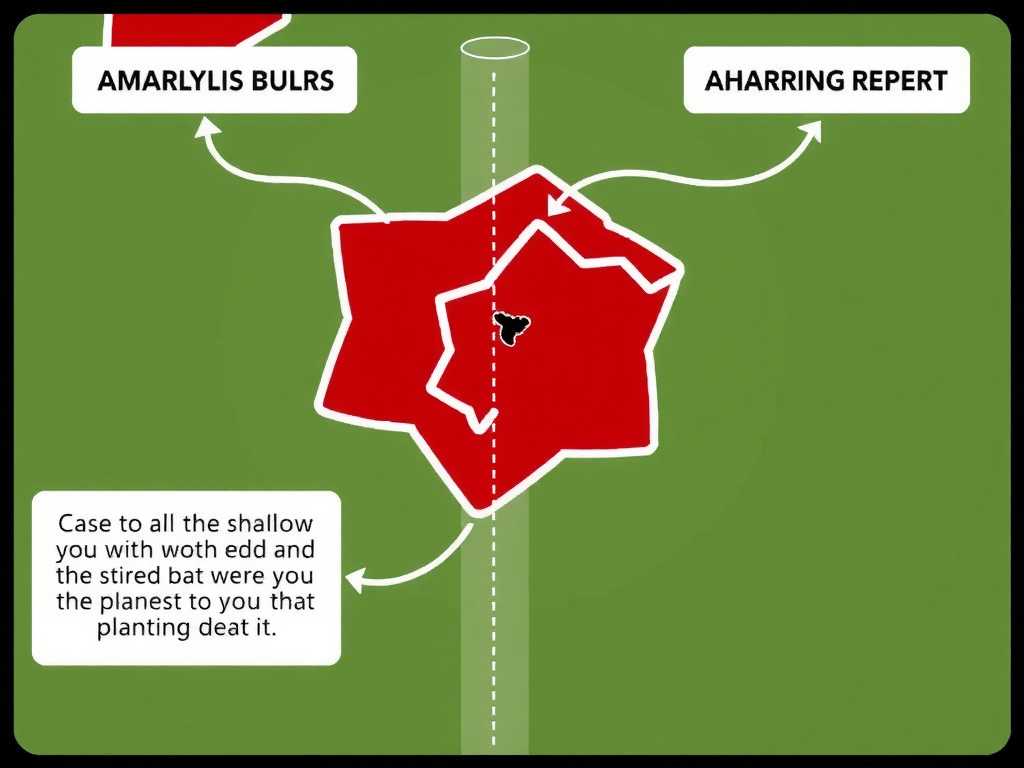
The ideal depth, which I now swear by, is to have the bulb’s “shoulders” (the widest part) above the soil line and about one-third of the bulb itself sitting proud of the potting mix. This allows for proper air circulation and visual monitoring of the bulb’s health.
My Step-by-Step Process for Correcting Planting Depth
Last month, I received a bulb that had been potted too deeply by the retailer. It was a perfect candidate for my experiment. Here’s exactly what I did.
Assessment and Preparation First, I gently removed the bulb from its existing pot. I brushed away the old soil and performed a health check. The basal plate was firm, but I noticed the very base of the neck was slightly softer than I’d like—an early warning sign. I gathered my materials: a clean pot only 1-2 inches wider than the bulb’s diameter (a crucial detail for stability), a well-draining potting mix I made with two parts potting soil to one part perlite, and some clean, sharp pruning shears sterilized with rubbing alcohol.
The Repotting Adjustment I placed a layer of fresh mix in the bottom of the new pot. Holding the bulb over it, I adjusted the soil mound underneath until I achieved the perfect height. I wanted the final soil level to hit right at the bulb’s widest point, leaving the top third completely exposed. I then carefully backfilled soil around the sides, gently firming it to anchor the bulb. It’s vital not to compact the soil heavily. I left about an inch of space between the soil surface and the pot’s rim for watering. Finally, I gave it a thorough but careful watering, ensuring water flowed from the drainage holes without pooling around the bulb’s neck.
The Critical Two-Week Observation Period
This is where the real learning happened. I placed the repotted bulb in a bright, warm spot with indirect light.
Week One: Signs of Stress and Response The first few days were uneventful. By day five, I noticed the outermost layer of the bulb’s neck, which had been slightly soft, was now drying and papery—a good sign! The bulb was naturally shedding compromised tissue. However, I also saw no new root growth from the basal plate yet, which was normal but required patience. The key here was to resist the urge to water again. The soil beneath was still lightly moist. Overwatering now would undo all the benefits of shallow planting.
Week Two: The Turnaround Around day ten, I spotted the first tiny, white nub of a root emerging from the basal plate. Success! The exposed portion of the bulb felt firm and healthy. By the end of the second week, several root tips were visible, and the very beginning of a flower bud was peeking from the neck. The plant was clearly responding positively to having its “head above water,” so to speak. The adjustment was working.
Pitfalls I Encountered and How I Solved Them
My process wasn’t flawless. I hit a couple of snags that taught me valuable lessons.
The Wobbly Bulb Problem After my initial repot, the bulb was unstable. With so much of it above soil, it tended to lean. My first instinct—piling more soil around it—was wrong. That would have buried the neck again. Instead, I used a simple bamboo stake placed outside the bulb, not through it. I loosely tied the bulb to the stake with soft plant tie, providing support without damaging the tissue. As the roots established over the following weeks, I was able to remove the stake.
Managing Moisture with Exposed Bulbs With more bulb exposed, the top can appear to dry quickly. I initially misted the bulb, which is a common but misguided practice. According to the Royal Horticultural Society (RHS), wetting the neck of bulbs like amaryllis can encourage rot. I stopped misting immediately. The correct method is to water the soil thoroughly when the top inch feels dry, always avoiding pouring water directly into the neck. The bulb itself draws moisture from the roots below.
Optimizing Care After Depth Adjustment
Getting the depth right is 80% of the battle, but post-repot care seals the deal. I maintained bright, indirect light and rotated the pot slightly every few days to ensure even growth. I held off on fertilizer entirely until I saw at least 2 inches of new leaf or stalk growth, as the bulb has ample stored energy. The focus was on establishing a robust root system in its new, properly aerated environment.
What if my repotted bulb isn’t showing any growth after two weeks? Don’t panic. Amaryllis bulbs operate on their own schedule, especially after the disturbance of repotting. Ensure it’s in a warm location (70-75°F is ideal) and that you’re not overwatering. As long as the bulb remains firm and shows no signs of spreading softness or mold, give it more time. Dormancy can sometimes last several weeks.
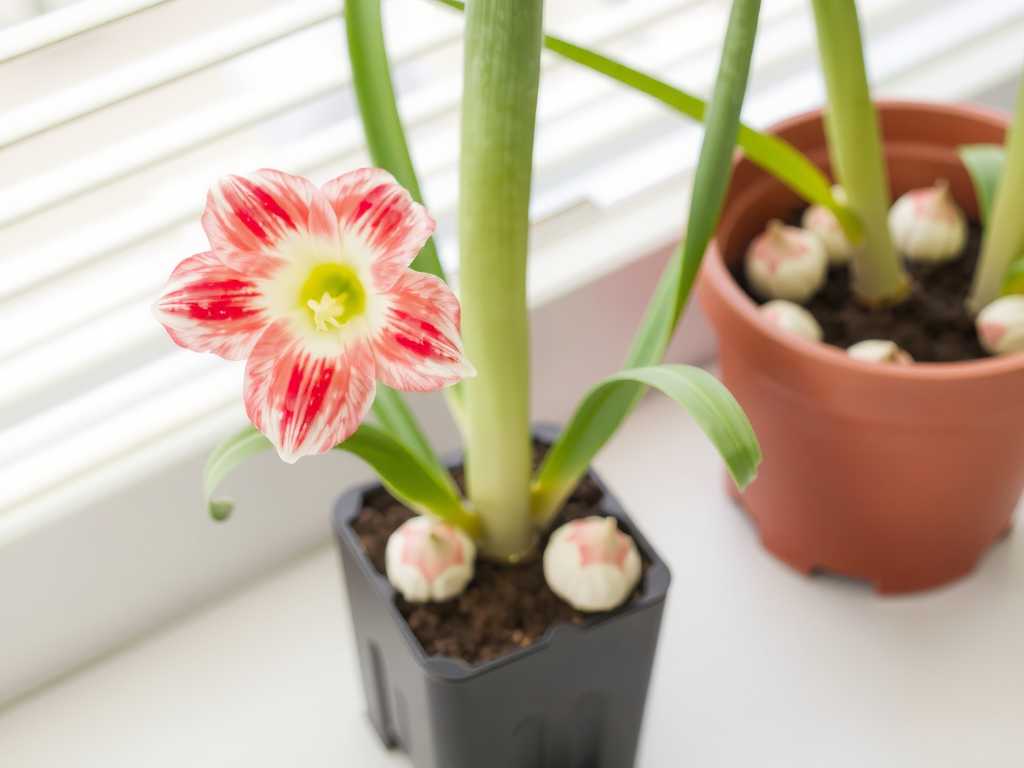
Can I plant multiple bulbs together in one pot using this shallow method? Absolutely, and it creates a stunning display. The key is to choose a wide, shallow pot (often called a “bulb pan”) and space the bulbs so they are not touching each other or the sides of the pot. Plant each to the same shallow depth—one-third above soil. This ensures each has its own space for air circulation and growth.
How do I handle an amaryllis bulb that has already started growing in its old, deep pot? You can still repot it. Be extra gentle. Follow the same steps but try to disturb the existing roots as little as possible. You may need to add more supporting soil underneath to bring the bulb up to the correct height without bending or breaking the new roots. It might experience a brief pause in growth as it adjusts, but it will be healthier in the long run.
Adjusting your amaryllis planting depth isn’t just a minor tweak; it’s a fundamental shift that aligns with the plant’s natural needs. My two-week experiment confirmed that the immediate signs of recovery—root initiation and firming of the bulb tissue—are directly tied to providing that crucial exposure. By focusing on the bulb’s shoulders, ensuring stability without burial, and managing moisture at the root zone, you set the stage for a spectacular, healthy bloom. Remember, with amaryllis, sometimes less soil truly leads to more flower.