bluename
 How to Prevent Root Rot and Spider Mites on Lavender: My 2-Week Rescue Mission
There’s nothing more disheartening than watching your beloved lavender plant, a symbol of resilience and fragrance, begin to falter. You notice the leaves turning yellow from the base up, feeling soft and soggy when you touch the soil. Or perhaps you see a fine, dusty webbing between the stems and leaves that definitely wasn’t there before. As a fellow plant enthusiast, I’ve been there. The dual threat of root rot and spider mites on lavender can strike fear into any gardener’s heart. But after a recent, intense two-week battle to save my own Lavandula angustifolia ‘Hidcote’, I’m here to share a practical, step-by-step guide born from direct experience, mistakes included, on how to protect your plants from these common yet devastating issues.
Understanding the Enemies: Why Lavender is Vulnerable
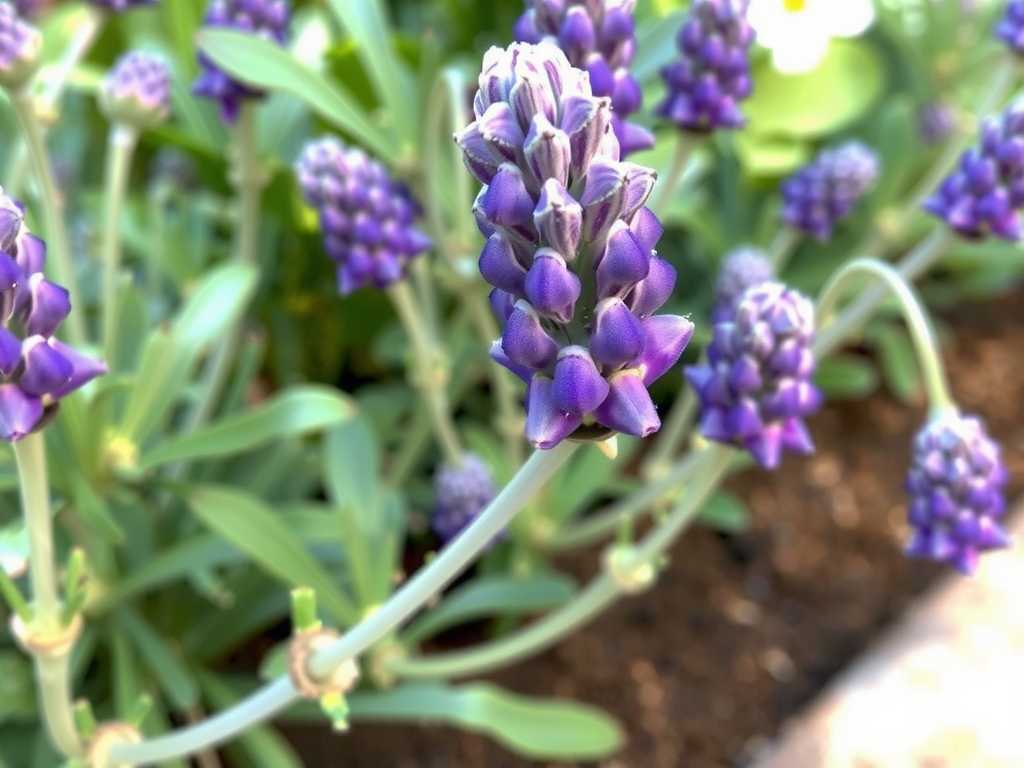
Before we dive into the rescue, it’s crucial to know what we’re fighting. Lavender, hailing from the dry, rocky hills of the Mediterranean, has evolved to thrive in conditions that are the exact opposite of what these pests and diseases love.
- Root Rot: This is primarily a fungal disease, often caused by pathogens like Phytophthora or Rhizoctonia. According to the American Horticultural Society (AHS), these fungi flourish in consistently moist, poorly-draining soil. Lavender’s roots are simply not adapted to "wet feet." Overwatering, heavy clay soil, or a pot without proper drainage creates an anaerobic environment where these pathogens multiply and attack the root system, cutting off the plant’s water and nutrient supply. The plant essentially drowns and rots from below.
- Spider Mites: These are not insects but tiny arachnids, related to spiders. They thrive in hot, dry, and dusty conditions—often the very environment we might mistakenly create for lavender indoors or in sheltered spots. The Royal Horticultural Society (RHS) notes that spider mites pierce plant cells to suck out the chlorophyll, leading to the characteristic stippled, yellowed leaves and fine silk webbing. A stressed plant, like one already struggling with early root issues, is far more susceptible to infestation.
My Two-Week Prevention and Rescue Protocol
When I spotted both yellowing lower leaves and subtle stippling on the new growth of my potted lavender, I knew I had a compound problem. Here was my action plan.
Week 1: The Critical Assessment and Intervention
Day 1-2: Diagnosis and Isolation My first step was confirmation. I gently tipped the plant out of its pot. The smell was musty, and several roots were dark brown, mushy, and sloughed off easily—a classic sign of lavender root rot treatment. Simultaneously, holding a white paper under a stem and tapping it revealed tiny, moving specks—spider mites. I immediately isolated the plant from my other indoor herbs to prevent the mites from spreading.
- The Mistake I Made: Initially, I only looked at the soil surface. I assumed the yellowing was just a watering issue. Never assume. Always check the roots.
Day 3-5: Surgical Root Care and Repotting
- Root Pruning: I gently washed the root ball under lukewarm water to remove all old soil. With sterilized scissors, I cut away every single dark, soft root back to firm, white, healthy tissue. This felt drastic, but it’s non-negotiable.
- The Right Soil Mix: I used a well-draining soil for lavender, which I mixed myself: 2 parts cactus/succulent potting mix, 1 part coarse perlite, and a handful of small gravel. This ensures the rapid drainage lavender craves and is fundamental to preventing root rot in potted lavender.
- The Right Pot: I chose a clean terracotta pot, one size smaller than the previous one (as the root mass was now reduced), with a large drainage hole. Terracotta’s porosity helps wick away excess moisture.
Day 6-7: Initial Spider Mite Eradication For the mites, I started with the least toxic method. I placed the plant in my bathtub and thoroughly sprayed every inch—top and bottom of leaves, stems, soil surface—with a strong jet of lukewarm water. This dislodges a large percentage of the population. I let the plant drain completely before returning it to a bright, airy spot.
Week 2: Observation, Adjustment, and Follow-Up
Day 8-12: The Waiting Game and Secondary Treatment The plant looked rough—significantly smaller and a bit wilted from the shock. I resisted the urge to water. I only watered when the soil was completely dry an inch down and the terracotta pot felt light. This is the single most important cultural practice for lavender plant care.
For the spider mites, I implemented a follow-up treatment every 3 days. I used a homemade miticide: 1 teaspoon of mild liquid soap (like Castile) in 1 liter of water, sprayed thoroughly in the evening. Soap suffocates the mites without leaving a harsh residue.
- The Mistake I Made: During this week, I placed the plant in full afternoon sun, thinking more light would help. This further stressed it. I corrected this by moving it to a location with bright, but indirect, morning light and good air circulation—conditions that help the plant recover while making the environment less ideal for mites.
Day 13-14: Signs of Hope By the end of the second week, the decline had stopped. No new yellowing appeared. The remaining foliage felt firmer. Most importantly, upon close inspection with a magnifying glass, I found no active spider mites. The new soil mix was drying out perfectly between waterings. The plant was stabilizing.
Building a Fortress: Long-Term Prevention Strategies
My two-week crisis taught me that prevention is infinitely easier than cure. Here’s how I now manage all my lavenders:
- Water with Wisdom: Water deeply but infrequently. Let the soil dry out substantially between waterings. In winter, watering might be monthly. The finger test is your best friend.
- Prioritize Drainage Above All: Whether in pots or ground, amend soil with grit, perlite, or sand. Consider raised beds for heavy clay gardens.
- Promote Vigor: Plant lavender in full sun (6+ hours) and ensure good air circulation. A strong, sun-hardened plant is your first line of defense against all pests and diseases.
- Monitor Relentlessly: Make it a habit to check the undersides of leaves when you water. Early detection of spider mites makes them easy to manage with simple sprays.
- Avoid Overhead Watering: Water at the base to keep foliage dry, discouraging fungal spores and making the environment less appealing to pests.
Addressing Your Lavender Concerns
Can a lavender plant recover from root rot? Yes, but only if caught early and with aggressive intervention. The success depends on how much healthy, white root tissue remains after pruning all the rot. If the entire root system is mushy and the stems are brown and soft at the base, recovery is unlikely.
What is the best natural spray for spider mites on lavender? A simple, effective spray is a mix of water with a small amount of mild liquid soap (like Castile or insecticidal soap). Neem oil solution (following label instructions) is also a good preventative and treatment. Consistency is key—apply every 3-5 days for 2-3 weeks, ensuring full coverage under leaves, to break the mite life cycle.
How often should I water lavender in pots to prevent problems? There is no fixed schedule. The frequency depends on pot size, material, soil mix, and climate. The only reliable method is to check the soil. Water only when the top inch feels completely dry to the touch and the pot feels noticeably lighter. When in doubt, wait another day.
Saving my lavender from the brink taught me more than any gardening book could. It reinforced that these plants demand our respect for their native conditions. By mastering the balance of water, light, and air, and by becoming a diligent observer, you create an environment where lavender doesn’t just survive, but thrives. The sweet, pest-free fragrance of healthy lavender is the ultimate reward for getting these fundamentals right.