bluename
 How to Treat Black Spot and Grubs on Peonies and Herbaceous Peonies
There's nothing more disheartening for a gardener than watching beloved peonies and herbaceous peonies succumb to common yet destructive problems. You've nurtured these plants, eagerly awaiting their spectacular blooms, only to find their lush foliage marred by unsightly black spots or their roots and buds under attack by voracious grubs. These two issues—black spot disease and grub infestations—are among the top concerns for peony growers, threatening both the plant's immediate beauty and its long-term health. Understanding how to effectively treat black spot and grubs on peonies is crucial for restoring your garden's vitality. This guide provides a clear, actionable roadmap, combining proven cultural practices with targeted treatments to help your plants thrive once again.
Understanding the Enemies: Black Spot and Grubs
Before diving into treatment, it's essential to correctly identify the adversaries. Black spot, typically caused by the fungus Graphiopsis chlorocephala (formerly Cladosporium), manifests as circular, dark brown to black spots on leaves and sometimes stems. These spots often have a feathery or radiating margin and can cause leaves to yellow and drop prematurely, weakening the plant over successive seasons.
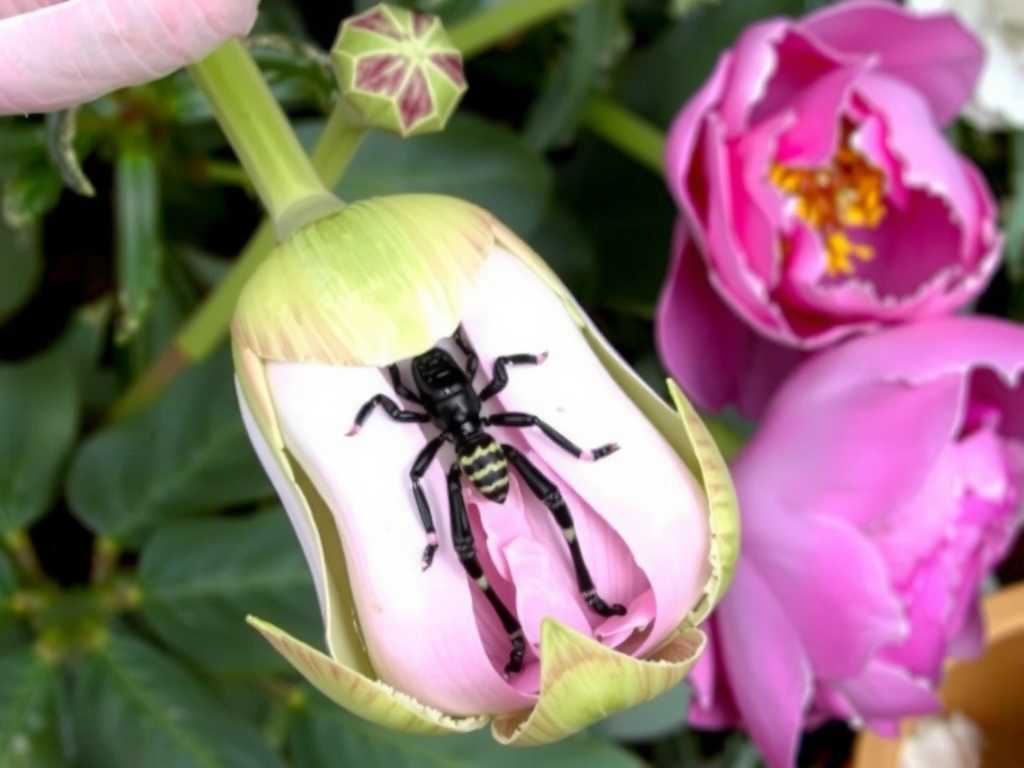
Grubs, on the other hand, are the larval stage of various beetles, such as Japanese beetles or rose chafers. In peonies, they are often found in the soil feeding on roots or, more conspicuously, inside flower buds, where they chew and cause buds to turn brown and fail to open—a symptom known as "bud blast." Accurate identification is the first step in effective control.
A Comprehensive Strategy to Treat Black Spot on Peonies
Treating black spot requires a season-long, integrated approach focused on prevention and containment.
Cultural Practices: Your First Line of Defense The foundation of managing black spot is impeccable garden hygiene. Fungal spores overwinter on fallen infected leaves and plant debris. In autumn, after frost, meticulously cut back all herbaceous peony foliage to ground level and remove it from the garden—do not compost it. This single practice dramatically reduces the source of next year's infection. Ensure plants are spaced adequately to promote superb air circulation, which helps foliage dry quickly after rain or dew, creating an environment less hospitable to fungal growth. Water at the base of the plant in the morning, avoiding overhead irrigation that wets the leaves.
Choosing and Applying Fungicides When cultural methods need reinforcement, fungicides are a valuable tool. For organic gardeners, products containing potassium bicarbonate or neem oil can be effective as protectants. Conventional options include chlorothalonil or myclobutanil. Dr. Sarah Browning, a renowned Extension Educator in horticulture, emphasizes timing: "Begin applications in spring when new shoots are about 6 inches tall, and reapply according to label instructions, especially during warm, humid weather which favors disease development." Always cover both the tops and bottoms of leaves thoroughly.
The Role of Resistant Varieties While no peony is completely immune, some varieties exhibit better resistance to foliar diseases. When adding to your collection, consider cultivars like 'Kansas', 'Festiva Maxima', or 'Sarah Bernhardt', which are often noted for their robust foliage. Planting resistant varieties reduces the long-term management burden.
Eradicating Grubs to Protect Peony Roots and Buds
Grub management involves targeting the larvae in the soil and dealing with the adult beetles that lay the eggs.
Soil-Dwelling Grub Control For grubs feeding on roots, beneficial nematodes (Heterorhabditis bacteriophora) are a highly effective, biological solution. These microscopic worms seek out and parasitize grubs in the soil. Apply them to moist soil in late summer or early fall when young grubs are active, following package instructions carefully. For a chemical approach, products containing imidacloprid can be applied as a soil drench in late summer. However, use these systemic insecticides judiciously, as they can also affect pollinators if applied when plants are in bloom.
Handpicking and Trapping Adult Beetles Since grubs hatch from eggs laid by adults, breaking their life cycle is key. Hand-picking Japanese beetles early in the morning when they are sluggish and dropping them into soapy water provides immediate, non-chemical relief. The University of Minnesota Extension advises caution with pheromone traps, noting they may attract more beetles to your yard than they catch. If used, place traps far away from your prized peonies.
Protecting the Buds To prevent "bud blast" from grubs chewing inside buds, a physical barrier is often the safest method. When buds are still small and tight, you can lightly secure a small bag made of fine mesh or cheesecloth around them. This prevents the adult female beetles from accessing the bud to lay eggs inside.
An Integrated Calendar for Year-Round Peony Care
A proactive, scheduled approach prevents crises.
- Late Fall: Clean up all peony foliage and debris. This is the most critical step for black spot management.
- Early Spring: As shoots emerge, apply a fresh layer of mulch to suppress weeds (which can host pests) and apply the first preventative fungicide spray.
- Late Spring/Early Summer: Monitor buds for signs of "blast" and apply physical barriers if beetles are a known issue. Begin regular fungicide spray intervals if needed.
- Summer: Handpick adult beetles daily. Continue fungicide applications through the flowering period if weather is humid.
- Late Summer: Apply beneficial nematodes or grub-specific insecticides to soil if root damage is suspected.
What about using a baking soda spray for the black spots on my leaves? A homemade spray of 1 tablespoon baking soda, 1 teaspoon of horticultural oil, and 1 gallon of water can act as a mild fungicide and alter leaf surface pH, inhibiting fungal growth. It works best as a preventative or at the very first sign of disease. However, it may need frequent reapplication (every 7-14 days) and is generally less consistently effective than commercial fungicides, especially for a well-established infection.
I see ants on my peony buds. Are they causing the damage? This is a very common sight and a frequent misconception. Ants are attracted to the sweet nectar secreted by peony buds. They are not eating the buds or causing grub-like damage; they are simply foraging. The real culprits for bud damage are usually the beetles or their larvae. You do not need to target ants as a pest on your peonies.
Can I treat for black spot and grubs at the same time? Yes, but you must read all product labels carefully. Never mix products unless the labels explicitly state it is safe to do so. A practical approach is to address soil-borne grubs with a soil drench (like nematodes) in late summer and focus on foliar fungicide sprays for black spot in spring and early summer. This staggers the interventions and minimizes the risk of harming the plant or beneficial soil life.
Successfully growing magnificent, healthy peonies is absolutely achievable. By implementing rigorous fall cleanup, adopting smart watering and spacing practices, and intervening with targeted, well-timed treatments, you can effectively manage both fungal diseases and pest infestations. Consistency is more valuable than any single miracle cure. Your vigilance in removing infected foliage and monitoring for beetles will pay dividends in the form of robust plants and breathtaking, unblemished blooms season after season, allowing you to enjoy the full splendor these classic perennials are meant to provide.