bluename
 How to Eliminate Leaf Spot and Scale Insects on Bougainvillea
Seeing your vibrant bougainvillea succumb to unsightly leaf spots or a sticky, crusty invasion of scale insects can be disheartening. These common issues not only mar the plant's spectacular floral display but can also weaken its health over time. This guide provides a clear, actionable roadmap to diagnose, treat, and prevent these two prevalent problems, restoring your bougainvillea to its full, thorny glory.
Understanding the Enemies: Leaf Spot and Scale
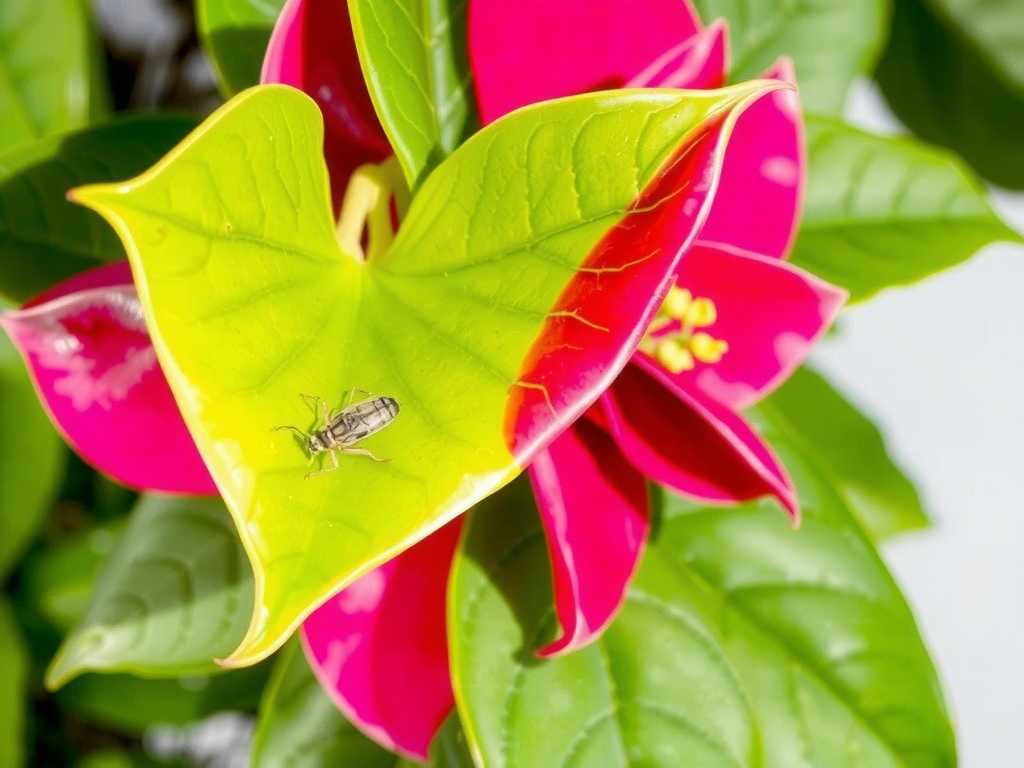
Before launching into battle, correct identification is crucial. Misdiagnosis leads to ineffective treatments and wasted effort.
Identifying Leaf Spot on Bougainvillea Leaf spot diseases, often fungal or bacterial, manifest as discolored lesions on the foliage. You might see small, dark brown or black spots, sometimes with a yellow halo. In severe cases, these spots coalesce, causing leaves to yellow, wither, and drop prematurely. Fungal leaf spot, like those caused by Cercospora or Alternaria species, thrives in warm, humid conditions with poor air circulation. As noted by plant pathologist Dr. Linda Chalker-Scott, "Overhead watering is a primary contributor to the spread of foliar fungal diseases, as it keeps leaf surfaces wet for extended periods."
Identifying Scale Insects on Bougainvillea Scale insects are sneaky pests. Adults appear as small, immobile bumps on stems, branches, and the undersides of leaves. They can be white, brown, or black, resembling part of the plant itself. The most common types on bougainvillea are soft scales and mealybugs (a type of soft scale). They pierce plant tissues and suck sap, excreting a sticky substance called honeydew. This honeydew often leads to a secondary issue: sooty mold, a black, powdery fungus that grows on the sugary residue, further inhibiting photosynthesis.
Your Action Plan: Treatment and Eradication
Step 1: Immediate Isolation and Assessment Upon detection, isolate the affected bougainvillea if possible to prevent pests or spores from spreading to nearby plants. Conduct a thorough inspection to gauge the infestation's severity. For scale, check leaf axils and the underside of leaves—their favorite hiding spots.
Step 2: Physical and Mechanical Removal This is your first line of defense and is highly effective for early-stage problems.
- For Leaf Spot: Prune away and dispose of severely infected leaves and branches. Always sterilize your pruning shears with isopropyl alcohol between cuts to avoid spreading pathogens. Remove fallen debris from the soil surface.
- For Scale Insects: For light infestations, use a soft toothbrush or a cotton swab dipped in rubbing alcohol (70% isopropyl) to gently scrub and dislodge the scales from the stems and leaves. A strong jet of water from a hose can also knock off many pests. Repeat this process every few days.
Step 3: Choosing and Applying the Right Treatment
- Treating Fungal Leaf Spot:
- Cultural Correction: First, address the environment. Ensure your bougainvillea has excellent air flow and switch to watering at the base to keep leaves dry.
- Organic Fungicides: Apply a copper-based fungicide or neem oil spray, thoroughly coating the tops and bottoms of leaves. These work as protectants and mild eradicants. Reapply as directed on the label, especially after rain.
- Chemical Fungicides: For persistent cases, systemic fungicides containing active ingredients like chlorothalonil or myclobutanil can be used. Always follow label instructions precisely.
- Eradicating Scale Insects:
- Horticultural Oil (Dormant/Summer Oil): This is a top-recommended treatment. Oils suffocate scale insects by coating them and blocking their spiracles. Apply a ready-to-use horticultural or neem oil spray, ensuring complete coverage, as the oil must contact the pest. Apply during cooler parts of the day to prevent leaf burn.
- Insecticidal Soap: Effective against the younger, more vulnerable "crawler" stage of scale. Like oil, it requires direct contact.
- Systemic Insecticides: For heavy infestations, a systemic insecticide containing imidacloprid or dinotefuran, applied as a soil drench, can be effective. The plant absorbs the chemical, making its sap toxic to sucking insects. Use this as a last resort, considering its impact on beneficial pollinators.
Step 4: Addressing Secondary Problems If sooty mold is present due to scale honeydew, it will often fade away once the scale population is controlled. You can gently wash it off the leaves with a mild soap and water solution.
Prevention: The Long-Term Health Strategy
An ounce of prevention is worth a pound of cure, especially in gardening.
Optimize Growing Conditions A stressed plant is a target. Bougainvillea thrives in full sun (at least 6 hours daily), well-draining soil, and prefers to dry out slightly between waterings. Avoid over-fertilizing, particularly with high-nitrogen fertilizers, which promote tender, sappy growth that attracts pests.
Practice Proactive Monitoring and Hygiene Make inspecting your plants a weekly routine. Look under leaves and along stems. Promptly remove any dead or diseased material. Keep the growing area free of weeds and plant debris that can harbor pests and diseases.
Encourage Beneficial Insects In the garden, nature offers its own pest control. Ladybugs, lacewings, and parasitic wasps are natural predators of scale insects. Avoid broad-spectrum pesticides to preserve these beneficial allies.
What is the best homemade spray for bougainvillea leaf spot? While some gardeners use a baking soda solution (1 teaspoon per quart of water with a drop of mild soap), its efficacy is limited and inconsistent. For a more reliable organic approach, a neem oil solution or a commercially prepared copper fungicide is generally more effective in managing fungal leaf spot.
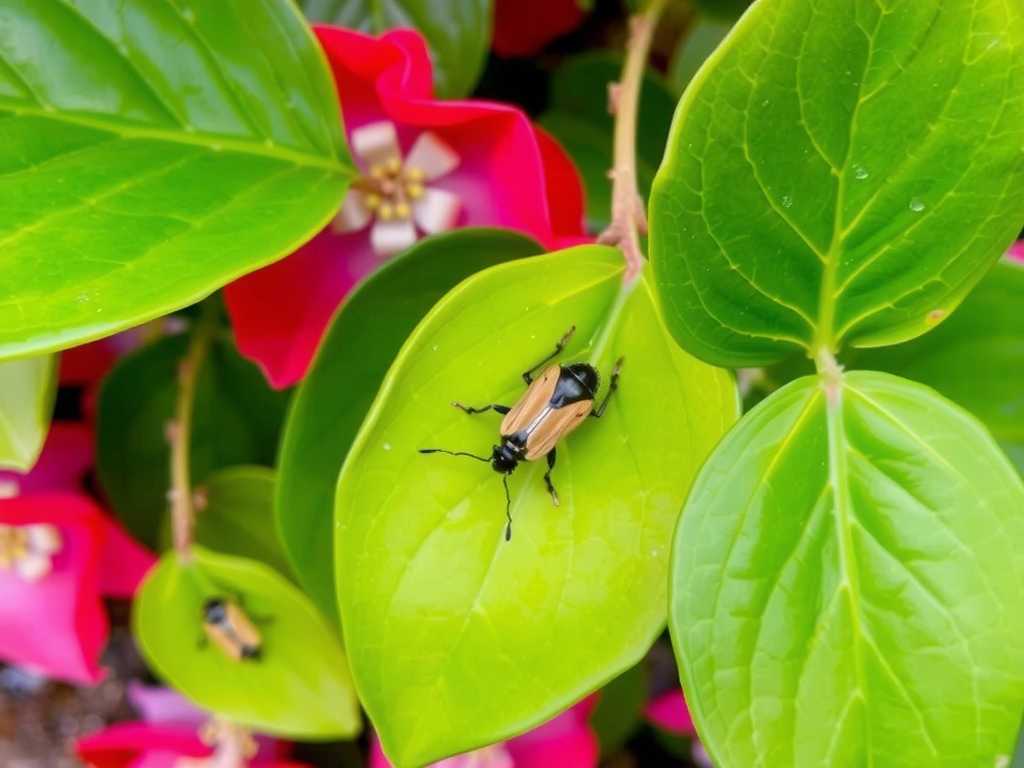
Can a bougainvillea recover from a severe scale infestation? Yes, bougainvilleas are remarkably resilient. Even if a plant has been heavily infested, a combination of rigorous physical removal, appropriate oil or insecticide applications, and optimal aftercare (proper water, light, and a light feeding) can lead to a full recovery. It may take a full growing season to regain its former lushness.
How often should I treat my plant to ensure the scale is gone? Scale insects have a protective waxy coating and multiple life stages, making them tenacious. Consistency is key. After initial physical removal and application, follow up with treatments every 7-14 days for at least 3-4 cycles. This ensures you intercept the next generation of crawlers before they mature and form their own protective shells.
Successfully managing leaf spot and scale insects on your bougainvillea hinges on accurate identification, immediate and consistent action, and a shift toward preventative care. By integrating the treatment steps outlined—from physical removal to targeted product use—and committing to the cultural practices that promote plant vigor, you transform from a reactive gardener into a proactive one. The reward is a healthy, flourishing bougainvillea that delivers its signature cascade of color season after season, largely free from these common ailments. Remember, plant care is a continuous dialogue; regular observation is your most powerful tool.