bluename
 How to Prevent Powdery Mildew and Spider Mites on Cosmos: A Gardener's Complete Guide
There's nothing more disheartening for a gardener than watching vibrant cosmos flowers succumb to common yet destructive pests and diseases. Just as your plants begin to flourish, a ghostly white coating may appear on the leaves, or you might notice delicate webbing and stippled, yellowing foliage. These are the telltale signs of powdery mildew and spider mite infestations—two of the most prevalent threats to the health and beauty of your cosmos bed. The good news is that with proactive, informed care, these issues are entirely preventable. This guide will walk you through a comprehensive, step-by-step strategy to keep your cosmos thriving and free from these persistent problems, ensuring a season full of lush foliage and abundant blooms.
Understanding Your Adversaries: Powdery Mildew and Spider Mites
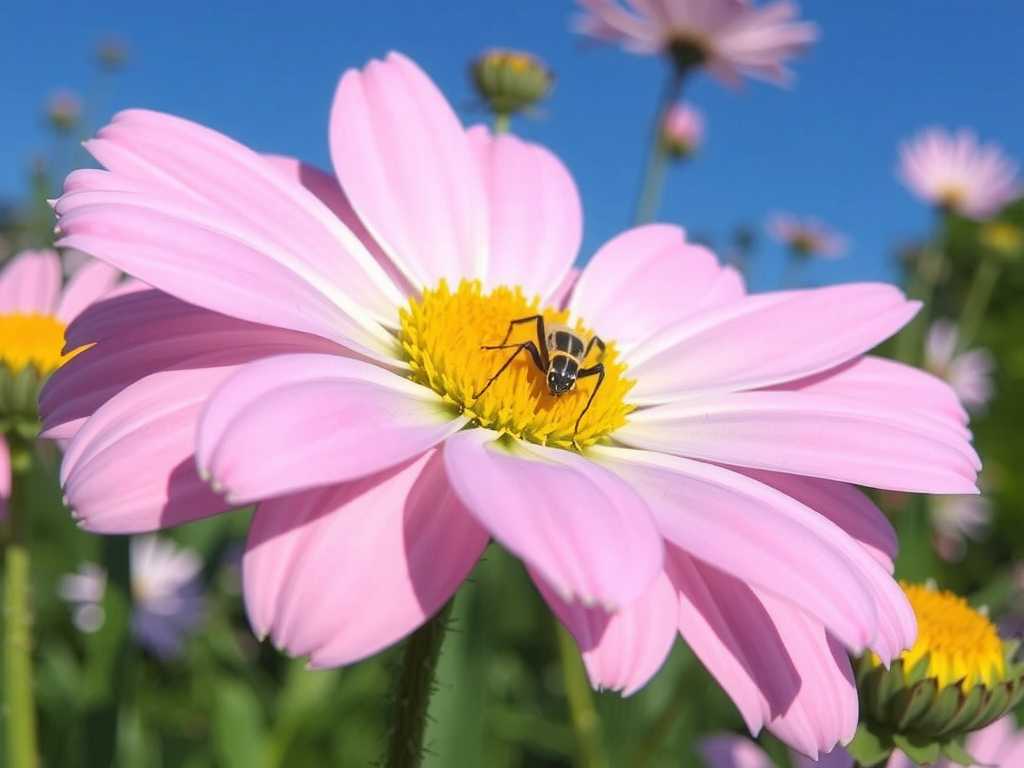
Before we dive into prevention, it’s crucial to know what you’re up against. Recognizing the early signs is half the battle in effective garden management.
What is Powdery Mildew on Cosmos? Powdery mildew is a fungal disease that appears as white or grayish powdery spots on the surfaces of leaves, stems, and sometimes flower buds. Unlike many fungi, it thrives in warm, dry climates with high humidity around the plant, often exacerbated by cool nights. It spreads through airborne spores and can quickly coat foliage, inhibiting photosynthesis and weakening the plant. As noted by plant pathologists, while rarely fatal on its own, a severe infection stunts growth, reduces flowering, and makes plants vulnerable to other stresses.
What are Spider Mites? Spider mites are not insects but tiny arachnids, related to spiders. They are nearly microscopic, often detected by their damage before they are seen. They pierce plant cells to feed, leaving behind a characteristic pattern of light dots or stippling. A fine, silken webbing on the undersides of leaves or between stems is a classic sign of a heavy infestation. They proliferate rapidly in hot, dry, and dusty conditions, making stressed cosmos a prime target.
The Proactive Prevention Plan: Building Healthy Defenses
The most effective strategy for controlling both powdery mildew and spider mites is to create an environment where they cannot easily establish themselves. Healthy plants are naturally more resistant.
Cultural Practices: The Foundation of Health
- Strategic Planting and Spacing: Always provide adequate space between your cosmos plants. Crowding restricts airflow, creating the stagnant, humid microclimate that powdery mildew loves and making it easier for spider mites to travel from plant to plant. Follow seed packet spacing recommendations diligently.
- Optimal Watering Techniques: Water deeply at the soil level, preferably in the morning, so foliage has time to dry before evening. Avoid overhead watering, which wets leaves and creates perfect conditions for fungal spores to germinate. Drip irrigation or soaker hoses are ideal. Consistent moisture also helps plants withstand spider mite stress.
- Sunlight and Air Circulation: Plant cosmos in full sun—at least 6-8 hours of direct light daily. The sun helps keep foliage dry and less hospitable to fungi. Prune or thin out surrounding vegetation if necessary to promote good air movement through the garden bed.
- Soil Health and Nutrition: Plant cosmos in well-draining soil. Amend heavy clay soils with compost to improve drainage. Avoid excessive nitrogen fertilizer, which promotes soft, succulent new growth that is highly attractive to spider mites and more susceptible to mildew. A balanced, slow-release fertilizer is sufficient.
- Garden Sanitation: Keep the area clean. Regularly remove fallen leaves and plant debris from around your cosmos, as these can harbor fungal spores and mite eggs. At the end of the season, remove and dispose of all annual cosmos plants (do not compost diseased material).
Regular Monitoring and Early Intervention
Vigilance is your best tool. Make it a habit to inspect your cosmos plants at least once a week, paying close attention to the undersides of leaves.
- For Early Powdery Mildew: At the very first sign of a few white spots, you can often halt the spread. Simply pinch off and dispose of the affected leaves.
- For Early Spider Mites: A strong blast of water from a hose directed at the undersides of leaves can dislodge and kill a significant number of mites and their eggs. Repeat this every few days.
Organic and Low-Impact Treatment Options
If, despite your best efforts, a problem begins to develop, act quickly with these targeted solutions.
Treating Powdery Mildew Organically:
- Milk Spray: A well-documented homemade remedy. Mix 1 part milk (skim or whole) with 2-3 parts water and spray thoroughly on all plant surfaces every 7-10 days. The proteins are thought to act as an antifungal agent.
- Baking Soda Solution: Mix 1 tablespoon of baking soda, ½ teaspoon of mild liquid soap (not detergent), and 1 gallon of water. Spray weekly. This alters the surface pH of the leaf, making it less inviting to the fungus.
- Potassium Bicarbonate: A more potent, garden-safe fungicide available at garden centers. It works on contact to kill existing mildew.
- Sulfur or Neem Oil: Both are effective organic fungicides. Neem oil has the dual benefit of also acting as a miticide and insect repellent. Always apply in the cooler evening hours to avoid leaf burn.
Combating Spider Mites Safely:
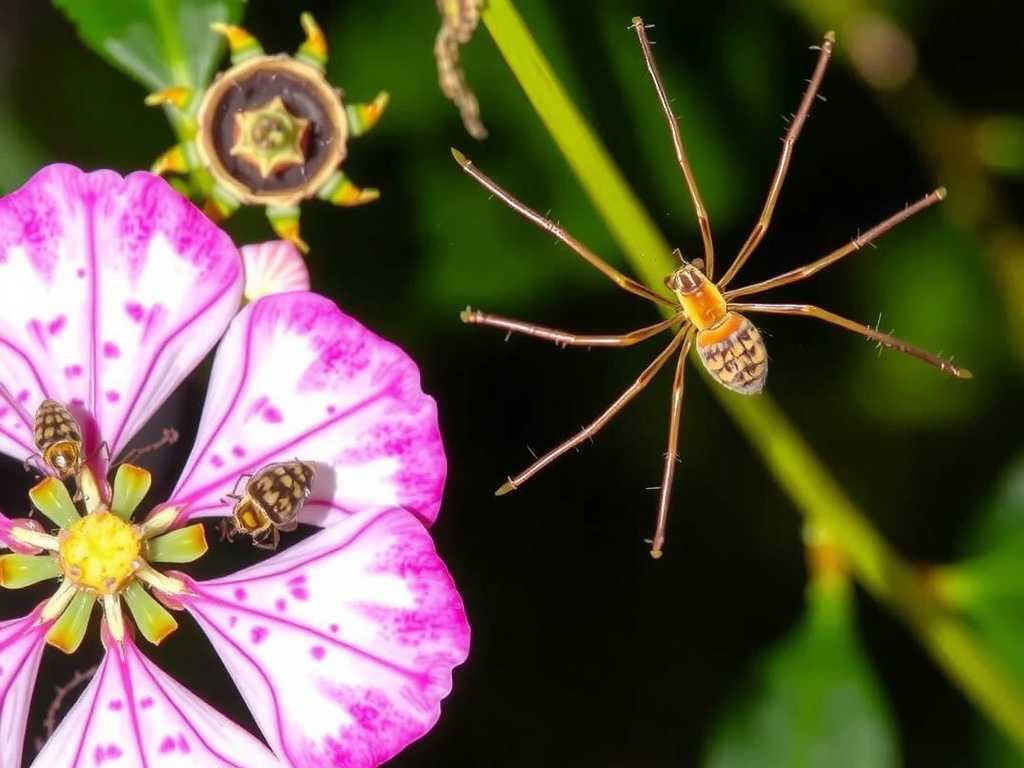
- Horticultural Oils (Neem Oil, Insecticidal Soap): These are contact killers that suffocate mites and their eggs. Coverage is critical—you must thoroughly spray the undersides of every leaf. Apply every 5-7 days for at least 3 cycles to break their reproductive cycle.
- Introduce Beneficial Predators: This is a highly effective, long-term biological control. Predatory mites (like Phytoseiulus persimilis) are natural enemies of spider mites and can be purchased online. Ladybugs and lacewing larvae also feed on them. Ensure you do not use broad-spectrum pesticides if you introduce beneficials.
- Diatomaceous Earth: Food-grade DE can be lightly dusted on dry foliage. Its microscopic sharp edges pierce the mites’ exoskeletons. Reapply after watering or rain.
What are the very first signs I should look for? For powdery mildew, be on the lookout for small, isolated white, powdery spots on the upper surfaces of lower or shaded leaves. For spider mites, the earliest sign is often a faint yellow stippling or speckling on the top of the leaves. Turn the leaf over; you may see tiny moving dots and the beginnings of fine silk.
Can I use a chemical pesticide to solve both problems quickly? We generally advise against broad-spectrum chemical pesticides for these issues. They often kill beneficial insects that keep mite populations in check, leading to "mite flare-ups" where the problem returns worse than before. For mildew, fungicides are largely preventative and work best before infection. The organic and cultural methods outlined are safer, more sustainable, and often more effective for the home gardener.
Are some cosmos varieties more resistant than others? Yes, plant breeding has made strides. While no variety is completely immune, some cosmos bipinnatus varieties show better resistance to powdery mildew. Look for varieties like ‘Sonata’ series or ‘Double Click’. For spider mites, the best defense is a healthy plant, so choosing any variety suited to your climate and providing excellent care is key.
By integrating these proactive cultural practices, maintaining consistent monitoring, and using targeted, gentle interventions when needed, you can effectively shield your cosmos from the dual threats of powdery mildew and spider mites. Remember, gardening is a partnership with nature. Focusing on building robust plant health from the soil up creates a beautiful, resilient display that allows you to spend less time battling problems and more time enjoying the serene beauty of your flourishing cosmos flowers.