bluename
 How to Treat Root Rot and Leafminers on Gerbera Daisies: A Complete Rescue Guide
There’s nothing more disheartening than watching your vibrant Gerbera daisies begin to fail. You might notice wilting leaves that don’t perk up after watering, yellowing foliage, or mysterious winding trails etched across their beautiful blooms. These are the classic signs of two common but devastating problems: root rot and leafminer infestations. Left untreated, they can quickly claim your prized plants. But don’t despair—this guide will walk you through exactly how to diagnose, treat, and prevent both root rot and leafminers on Gerbera daisies, restoring your plant’s health and brilliant color.
Understanding these issues separately and in combination is key, as stress from one can make your daisies more susceptible to the other. With clear, actionable steps, you can turn the situation around.
Identifying the Twin Threats to Your Gerberas
Before you can treat a problem, you must be sure of the diagnosis. Gerbera daisies signal distress in specific ways.
Recognizing Root Rot Symptoms Root rot is a silent killer, often progressing underground before showing clear signs above the soil. It’s primarily caused by overwatering and poorly draining soil, which create the perfect environment for fungal pathogens like Pythium or Phytophthora to thrive.
- Above Soil: The plant may wilt chronically, despite moist soil. Leaves turn yellow, often starting with the older, lower leaves. Growth becomes stunted, and the plant lacks vigor.
- At the Soil & Roots: The most telling sign is at the base. Gently remove the plant from its pot. Healthy roots are firm and white or tan. Rotten roots are mushy, dark brown or black, and may fall apart to the touch. They often emit a foul, decaying smell. The crown (where stem meets roots) may also feel soft.
Spotting Leafminer Damage Leafminers are the larvae of small flies or moths. The adult insects lay eggs on the leaves, and the hatched larvae tunnel inside, feeding on the inner tissue.
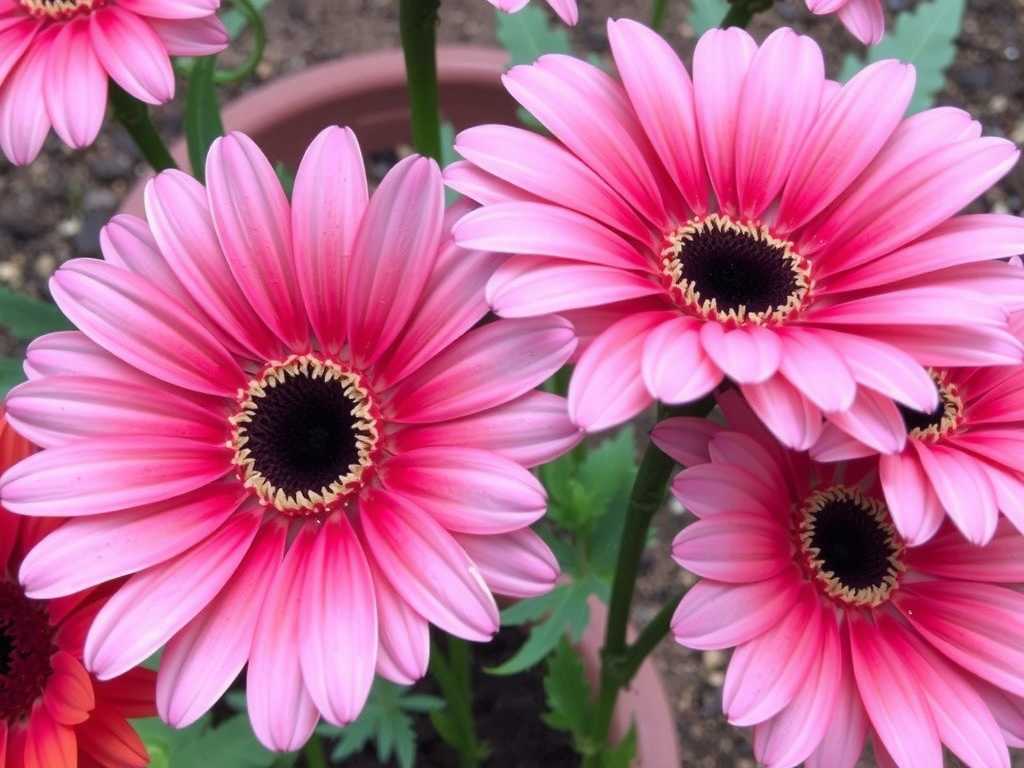
- The Telltale Trails: You’ll see squiggly, white, or translucent lines or blotches (mines) on the leaves. These trails are the larvae’s feeding paths.
- Other Clues: You may see tiny yellow or white specks (egg sites) or even the small, pale larvae themselves inside the leaf if you hold it up to light. Severe infestations cause leaves to brown, curl, and drop prematurely, weakening the plant.
Step-by-Step Treatment for Gerbera Daisy Root Rot
Acting swiftly is crucial when dealing with root rot. Here is your rescue protocol.
1. Immediate Isolation and Assessment First, move the affected Gerbera away from other plants to prevent any potential spread of fungal spores. Carefully remove the plant from its pot and gently wash the root ball under lukewarm water to remove all soil, giving you a clear view of the damage.
2. The Surgical Root Prune Using sterilized, sharp scissors or pruning shears (wipe with rubbing alcohol), cut away every single soft, brown, or black root. Be ruthless—only firm, healthy roots should remain. As noted by plant pathologist Dr. Linda Chalker-Scott, “When pruning diseased roots, it’s better to remove too much than too little. A plant with a reduced but healthy root system can recover, while remaining infected tissue will continue to decay.” Also, trim away any yellowed or severely wilted leaves to help the plant focus its energy.
3. Repotting with Fresh, Sterile Medium Never reuse the old, contaminated soil. Discard it. Choose a pot with excellent drainage holes—terra cotta is ideal for its breathability. Use a fresh, high-quality, well-draining potting mix. A cactus or succulent blend, or a standard mix amended with perlite or coarse sand (up to 30%), works perfectly for Gerberas, which demand excellent drainage.
4. Applying a Fungicide (If Necessary) After pruning, you can dip the remaining healthy root system in a fungicide solution as a preventative measure. Products containing thiophanate-methyl or copper-based fungicides can be effective. Follow the label instructions meticulously. Allow the roots to air-dry slightly before repotting.
5. The Critical Aftercare Water the newly potted Gerbera lightly to settle the soil, but then let it dry out more than usual before the next watering. Place it in bright, indirect light to reduce stress. Hold off on fertilizing for at least 4-6 weeks until you see new growth, indicating root recovery.
Eradicating Leafminers from Your Gerbera Daisies
For leafminers, a multi-pronged approach combining physical, biological, and (if needed) chemical controls is most effective.
1. Physical Removal and Sanitation Start by manually removing and destroying any leaves that show significant mining. Pinch off the leaf or use scissors to remove the mined section, placing debris in a sealed bag in the trash—not the compost. This instantly reduces the larval population. Regularly inspect the undersides of leaves for new eggs and wipe them off.
2. Encouraging Natural Predators Introduce or attract beneficial insects that are natural leafminer enemies. Parasitic wasps, such as Diglyphus isaea, are commercially available and highly effective. These tiny, non-stinging wasps lay their eggs inside the leafminer larvae, halting the damage. Planting nectar-rich flowers like alyssum or dill nearby can help sustain these beneficial populations.
3. Using Targeted Organic Controls For active infestations, consider organic options. Spinosad, a bacterial product derived from soil, is highly effective when sprayed on foliage. It must be ingested by the larvae, so thorough coverage of the leaf surface is key. Neem oil can act as a deterrent and disrupt the life cycle when applied regularly, though it works best on the larval stage.
4. Considering Systemic Insecticides (As a Last Resort) For severe, recurring infestations, a systemic insecticide containing imidacloprid can be used. Applied to the soil, it is taken up by the roots and protects the plant from the inside out. However, use this with caution, as it can also affect pollinators if the plant flowers. Always use as a last resort and strictly according to label directions, preferably on plants indoors or before blooming.
Building a Defense: Prevention is the Best Cure
The ultimate goal is to create an environment where these problems are unlikely to start.
Preventing Root Rot:
- Master the Watering Schedule: Water only when the top inch of soil feels dry. Gerberas prefer deep, infrequent watering over constant sogginess. Always empty the saucer beneath the pot.
- Prioritize Drainage: Use the well-draining soil mix and pots with holes as mentioned. Elevate pots off the ground to ensure water flows freely.
- Avoid Crown Rot: When watering, aim for the soil, not the leaves or the center crown of the plant.
Preventing Leafminers:
- Implement Row Covers: For garden-grown Gerberas, lightweight floating row covers can physically block adult flies from laying eggs.
- Practice Companion Planting: Strong-scented herbs like mint, rosemary, or garlic planted nearby can help mask the scent of your daisies and deter pests.
- Maintain Plant Health: A strong, well-fed, and appropriately watered plant is naturally more resistant to pest invasions. Apply a balanced, water-soluble fertilizer during the growing season, but avoid excess nitrogen, which can promote soft, pest-attractive growth.
What are the first signs of root rot in Gerbera daisies? The earliest signs are often subtle: a general lack of perkiness or slower growth. The most reliable early indicator is when the plant wilts while the soil is still damp. Checking the roots—a few dark, soft roots among mostly white ones—confirms the issue in its initial stage.
Can a Gerbera daisy recover from severe root rot? Recovery depends on the extent of the damage. If the entire root system is mushy and the crown is soft, recovery is unlikely. However, if you can prune away all the rot and leave at least a third to half of the root mass as healthy, firm tissue, and if the crown is intact, the plant has a good chance of rebounding with proper aftercare. Patience is essential; new leaf growth is the sign of success.
How do I stop leafminers from coming back every year? Breaking their life cycle is crucial. In fall, meticulously clean up all garden debris where pupae might overwinter. Use yellow sticky traps in early spring to monitor and catch adult flies before they lay eggs. Consistently apply preventive measures like neem oil sprays every 7-10 days during peak season and encourage a diverse garden ecosystem to support predatory insects that keep leafminer populations in check.
By combining vigilant observation with these targeted treatment strategies, you can effectively manage both root rot and leafminers. Remember, the core principles for healthy Gerbera daisies are simple: provide brilliant light, water with careful attention to drainage, and foster strong growth through balanced nutrition. Your proactive care will be rewarded with a stunning display of cheerful, resilient blooms season after season.