bluename
 How to Rescue Wilting Climbing and Shrub Roses Effectively
There’s nothing more disheartening for a gardener than seeing your prized climbing or shrub roses begin to wilt. One day they’re lush and full of promise, and the next, their leaves droop, stems sag, and blooms fade prematurely. This wilting is a clear distress signal, but it’s not a death sentence. With prompt and correct action, you can effectively rescue your wilting roses and restore them to vibrant health. The key is to act like a plant detective, systematically diagnosing the cause before applying the precise remedy.
Understanding Why Your Rose is Wilting
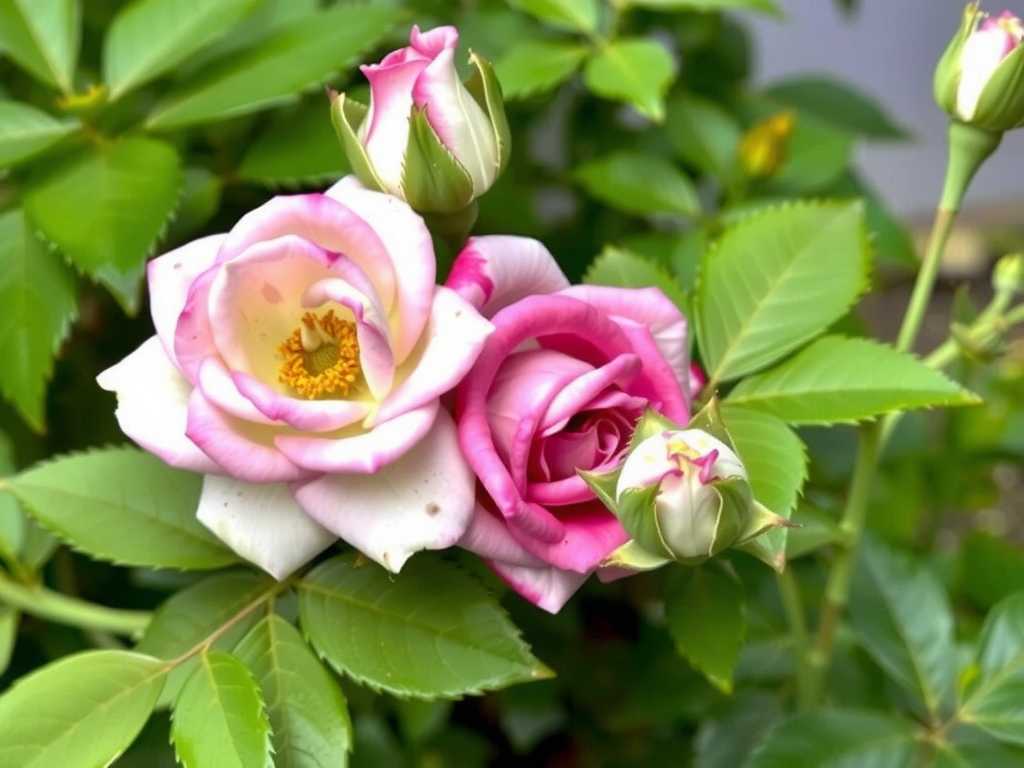
Wilting is a symptom, not a disease itself. It occurs when the plant loses water faster than its roots can absorb it. For climbing roses and shrub roses, the reasons can range from simple environmental stress to serious infections. Jumping to conclusions can waste time and even harm the plant. Let’s break down the primary culprits.
Immediate First Aid for a Wilting Rose
Before you do anything else, follow these critical first steps. Time is of the essence.
- Check the Soil Moisture Immediately. Push your finger 2-3 inches into the soil near the base of the plant. Is it bone dry? Is it soggy and waterlogged? This simple test will instantly point you in one of two major directions: underwatering or overwatering.
- Provide Emergency Shade. If the plant is in full, scorching sun and visibly stressed, temporarily shield it with a garden umbrella, shade cloth, or even a propped-up cardboard sheet for the hottest part of the day. This reduces further water loss while you diagnose.
- Do Not Fertilize. A wilting plant is in shock. Adding fertilizer will force new growth and add salt stress to the roots, worsening the problem. Hold off on feeding until the plant has fully recovered.
Diagnosing and Solving the Top Causes of Wilting
Now, use your soil moisture check and further inspection to pinpoint the issue.
Scenario 1: Underwatering – The Thirsty Rose
This is the most common cause, especially for newly planted climbing roses or shrub roses in containers. Symptoms include dry, crumbly soil, leaves that are dry and crispy at the edges, and overall drooping.
- The Rescue: Give the rose a deep, slow watering. Don’t just sprinkle the surface. Use a soaker hose or let a trickle from the garden hose run at the base for 20-30 minutes. This ensures water penetrates deeply to the root zone. For potted roses, water until it runs freely from the drainage holes, wait 15 minutes, and water again.
- Prevention: Apply a 2-3 inch layer of organic mulch (wood chips, compost) around the base, keeping it away from the main stem. Mulch is a game-changer, as noted by the Royal Horticultural Society, significantly reducing soil moisture evaporation. Water deeply and less frequently, encouraging deep root growth.
Scenario 2: Overwatering and Root Rot – The Drowning Rose
Overly wet, poorly-draining soil suffocates roots, preventing them from absorbing water or nutrients—paradoxically causing wilting that looks like drought. Check for constantly wet soil, yellowing leaves that drop, and soft, blackened stems at the base.
- The Rescue:
- Stop Watering Immediately. Let the soil dry out considerably.
- Improve Drainage. For container roses, ensure pots have adequate drainage holes. Consider repotting into fresh, well-draining potting mix.
- For Ground Roses: Gently aerate the soil around the root zone with a hand fork to improve oxygen flow. In severe cases, you may need to carefully dig up the plant, trim away any black, mushy roots with sterilized pruners, and replant in a raised bed or amended soil.
- Prevention: Always plant roses in well-draining soil. Amend heavy clay with generous amounts of compost or grit. “Roses demand ‘feet’ that are never sitting in water,” emphasizes veteran rosarian Michael Marriott. Choose planting sites and containers accordingly.
Scenario 3: Fungal Disease: Verticillium Wilt
This is a more serious, soil-borne fungal disease that blocks the plant’s vascular system. It often causes wilting on one side of the plant or on individual stems first. You may see brown streaks under the bark if you scrape a wilting stem.
- The Rescue: There is no effective chemical cure. Immediately prune out and destroy (do not compost) all infected stems, cutting back well into healthy, green wood. Sterilize your pruners between every cut with a bleach solution.
- Prevention: Plant disease-resistant varieties. Avoid planting roses in soil where other susceptible plants (like tomatoes, potatoes, or maples) have previously shown wilt. Solarizing the soil before planting can help reduce fungal loads.
Scenario 4: Pest Infestation: Borers and Root Weevils
Insect damage can disrupt the flow of water. Look for small holes in canes (borers) or notched leaf edges (adult weevils). The larvae of root weevils feed on roots, causing underground damage that manifests as wilting.
- The Rescue: For borers, carefully slit the cane lengthwise over the hole with a sharp knife to remove the grub, then bind the cane with tape. For root weevils, drenching the soil with beneficial nematodes (like Heterorhabditis bacteriophora) is an effective organic control, as supported by university extension studies.
- Prevention: Keep plants healthy to withstand minor attacks. Paint fresh pruning cuts with a sealing compound to deter borers. Encourage predatory birds and insects.
Scenario 5: Transplant Shock and Physical Damage
Newly planted or recently moved climbing roses often wilt as their roots establish. Physical damage to the main stem from tools, ties, or animals can also girdle and block the vascular system.
- The Rescue: For transplant shock, be patient. Keep the soil consistently moist (not wet), provide shade, and remove any flowers or buds to redirect energy to root growth. For physical damage, try to bridge the damaged area with grafting tape or simply prune back to below the damage.
- Prevention: Plant in cool, cloudy weather. Water-in new plants thoroughly with a root-stimulator solution. Inspect ties on climbers regularly to ensure they are not cutting into growing stems.
Long-Term Care for a Recovering Rose
Once the immediate crisis is over, supportive care is crucial.
- Prune Strategically: Remove any dead, diseased, or crossing canes to improve air circulation. On a recovering plant, be conservative—never remove more than 1/3 of the plant at once.
- Feed Gently: After you see signs of stable new growth (usually 3-4 weeks), apply a balanced, slow-release rose fertilizer or a diluted liquid feed.
- Monitor Closely: Keep a daily eye on your plant for any regression or new symptoms. Early intervention is always easier.
Will my rose come back after severe wilting? Yes, in most cases, roses are remarkably resilient. If the main crown (the base where stems meet roots) and some viable roots are still healthy, the plant can regenerate, even if all above-ground growth was lost. Patience is key; recovery may take a full growing season.
Should I cut off all the wilted leaves and flowers? Yes, it’s advisable to prune away severely wilted or dead material. This reduces the plant’s burden and helps prevent potential disease from taking hold in the dying tissue. Make clean cuts back to a healthy outward-facing bud or leaf node.

How long does it take for a wilted rose to perk up after watering? If the cause was simple underwatering, you may see improvement in as little as a few hours, with the plant fully recovering within 24-48 hours after a deep watering. For more complex issues like root damage or disease, visible recovery of new growth may take several weeks.
Wilting in climbing and shrub roses is a urgent call for help, but it’s a problem you can solve. The process always starts with careful observation—check the soil, inspect the leaves and stems, and consider recent weather or changes. By methodically moving from the simplest solution (thirst) to the more complex (disease), you can accurately diagnose the issue and apply the life-saving treatment your rose needs. Consistent, attentive care focused on deep watering, excellent drainage, and good sanitation will keep your roses robust and minimize future crises, allowing you to enjoy their magnificent blooms season after season.