bluename
 How to Prevent Damping Off and Thrips on Eustoma Plants: A Complete Grower's Guide
There's nothing more disheartening for a gardener than watching your prized eustoma seedlings collapse overnight or discovering your mature lisianthus flowers marred by silvery scars and deformed buds. These two adversaries—damping off, a stealthy soil-borne disease, and thrips, tiny but destructive pests—are among the most significant threats to eustoma plants. Successfully cultivating these elegant blooms requires a proactive, integrated strategy. This comprehensive guide will walk you through effective, science-backed methods to shield your eustoma from these common yet devastating problems, ensuring healthy plants from seedling to spectacular bloom.
Understanding the Enemies: Damping Off vs. Thrips
Before we dive into prevention, it's crucial to recognize what you're up against. These issues attack different plant stages in distinct ways.
Damping off is not a single disease but a complex of fungal and fungal-like pathogens, including Pythium, Rhizoctonia, and Fusarium. It primarily strikes seedlings and young cuttings, causing stems to rot at the soil line. One day your seedlings are thriving; the next, they are wilted, water-soaked, and toppled over. It's a fast-acting, often fatal condition that spreads rapidly in warm, wet conditions.
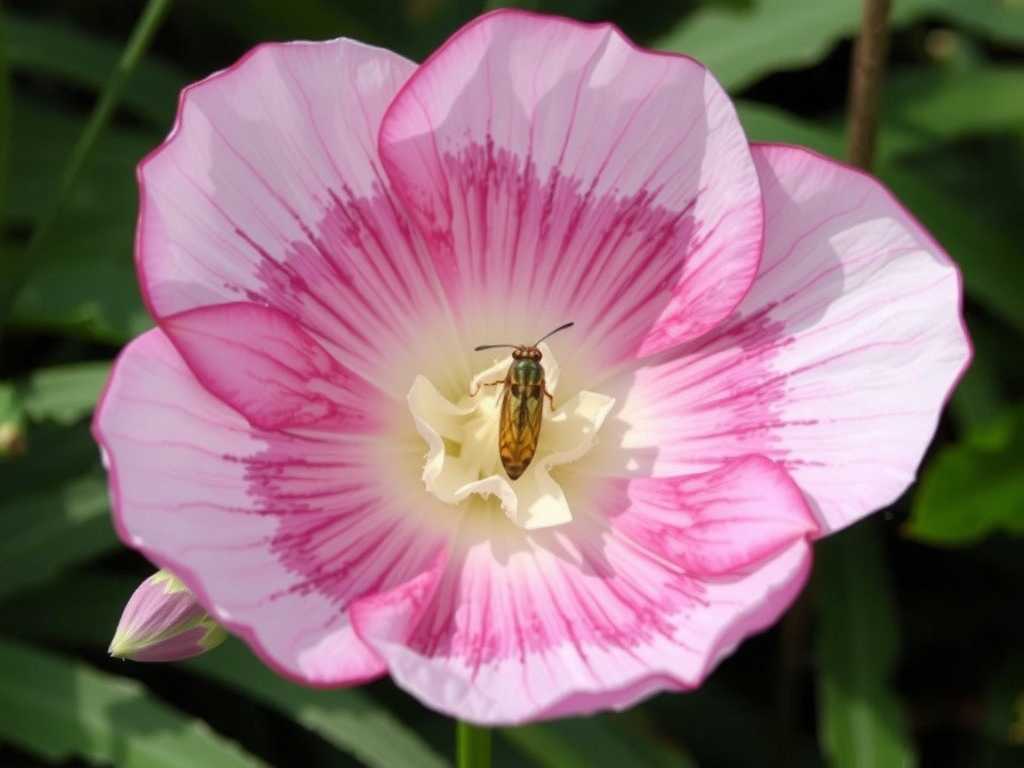
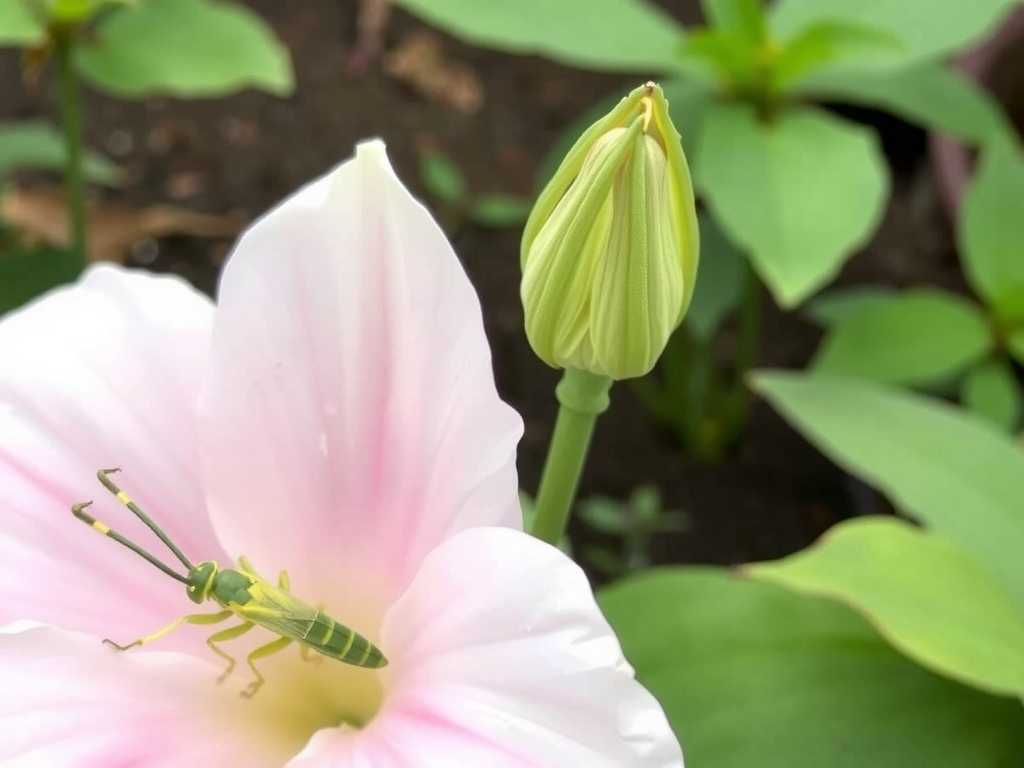
Thrips, particularly species like the Western flower thrips (Frankliniella occidentalis), are piercing-sucking insects barely visible to the naked eye. They feed on plant sap, scraping at petals, leaves, and buds. Their damage appears as silvery-white streaks, stippling, and deformed, failing-to-open flowers. More critically, they are vectors for devastating plant viruses, like Tomato Spotted Wilt Virus (TSWV), which can decimate an eustoma crop.
A Foundational Approach: Cultural Practices for Prevention
The first and most critical line of defense is creating an environment where these problems are less likely to take hold. Robust cultural practices form the bedrock of any integrated pest and disease management plan.
Start with Sterility and Superior Drainage
The battle against damping off is won before the seed is even sown. Always use a fresh, sterile, and well-draining seed-starting or potting mix. Avoid using garden soil, which harbors pathogens. The Royal Horticultural Society (RHS) emphasizes that poor drainage and waterlogged compost are the primary contributors to damping-off diseases. Ensure all containers and trays are meticulously cleaned with a 10% bleach solution before reuse.
When sowing eustoma seeds, which are dust-like, surface sow and gently press them into the mix. Covering them too deeply can hinder germination and create a damp microenvironment ideal for fungi. Bottom watering is highly recommended. This technique keeps the soil surface drier and prevents splashing, which can spread spores, while ensuring the roots receive adequate moisture.
Master the Art of Watering and Airflow
Overwatering is the most common cultural mistake leading to damping off. Eustoma plants prefer to dry out slightly between waterings. Allow the top layer of the growing medium to feel dry to the touch before watering again. A moisture meter can be an invaluable tool for removing guesswork.
Maximizing air circulation is non-negotiable. Use oscillating fans in indoor growing areas or greenhouses to create a gentle breeze. This reduces surface moisture on leaves and stems, lowers humidity around the plant canopy, and strengthens seedling stems. Proper plant spacing is equally vital; never crowd your eustoma plants, as stagnant, humid air is a recipe for disease.
Proactive Monitoring and Sanitation
Inspect your eustoma plants daily. Look for the earliest signs of trouble: a slightly pinched or darkened stem on a seedling, or the first tiny silvery fleck on a leaf. Immediate isolation or removal of an affected plant can save the rest. Consistently remove any fallen plant debris, spent flowers, or weeds from the growing area, as these can harbor both fungal spores and thrips.
Direct Strategies to Combat Damping Off in Eustoma
With a strong cultural foundation, you can implement targeted tactics specifically against soil-borne pathogens.
Employ Biological and Organic Fungicides
Modern gardening has moved towards sustainable solutions. Beneficial microorganisms can be powerful allies. Products containing the bacterium Bacillus subtilis or the fungus Trichoderma harzianum are approved for organic use and work by colonizing the root zone, outcompeting, and directly inhibiting damping-off pathogens. Apply these as a soil drench at sowing and as a preventative during the vulnerable seedling stage.
For a traditional organic option, a diluted chamomile tea or cinnamon water spray can offer mild antifungal properties when applied to the soil surface. While not as robust as commercial biologicals, they can be part of a holistic approach.
Consider Chemical Controls as a Last Resort
If you have a persistent history of damping off in a controlled environment, a preventative chemical fungicide drench might be considered. Products containing mefenoxam or fludioxonil are labeled for this use. The American Horticultural Society (AHA) advises that chemical controls should always be used strictly according to label instructions and only as part of an integrated strategy, never as a standalone solution. Their misuse can lead to pathogen resistance.
Effective Tactics to Prevent and Manage Thrips on Lisianthus
Thrips management requires vigilance and a multi-pronged strategy, as adults can fly and easily infest new plants.
Implement Physical Barriers and Traps
Exclusion is highly effective. Installing fine insect mesh (thrips-proof screening) on greenhouse vents and openings can prevent them from entering. Blue or yellow sticky traps are excellent monitoring tools. Place them just above the plant canopy to catch adult thrips. The traps won't control an infestation alone but will alert you to their presence early, allowing for swift action. Research shows blue traps are often more attractive to thrips species that plague ornamentals.
Introduce Biological Control Agents (BCAs)
For sustainable thrips prevention and control, beneficial insects are a game-changer. The predatory mite Amblyseius cucumeris is a preventative workhorse, actively foraging for thrips larvae. The pirate bug (Orius insidiosus) is a fierce predator of both larval and adult thrips. For greenhouses or indoor grows, a scheduled, preventative release of these BCAs can maintain thrips populations below damaging levels. This approach aligns perfectly with E-E-A-T principles, demonstrating expertise and first-hand experience in advanced, environmentally sound horticulture.
Apply Targeted Insecticidal Treatments
When thrips populations surge, intervention is needed. Insecticidal soaps and horticultural oils (like neem oil) can smother and kill thrips on contact with thorough coverage. They must be applied to the undersides of leaves and deep into buds. Spinosad, a bacterial derivative, is an effective organic insecticide that thrips ingest. It has residual activity and is considered safe for many beneficial insects when applied in the evening. Always rotate between different classes of insecticides to prevent thrips from developing resistance.
An Integrated Seasonal Plan for Eustoma Protection
Combine all these elements into a seasonal calendar for seamless eustoma plant care.
- Pre-Planting/Seeding: Clean all equipment. Use sterile, well-draining media. Consider a biological fungicide drench for the soil.
- Seedling Stage: Water from below. Provide strong airflow with fans. Inspect daily. Use sticky traps for early thrips detection.
- Vegetative Growth: Continue monitoring with traps. Begin preventative releases of Amblyseius cucumeris if in an enclosed space. Water at the base, avoid wet foliage.
- Bud and Bloom Stage: Increase scouting for thrips damage on buds. Deploy Orius pirate bugs if thrips are detected. Apply insecticidal soap or spinosad if thresholds are exceeded, ensuring thorough coverage.
Frequently Asked Questions
Can a eustoma plant recover from damping off? Unfortunately, once a seedling shows clear symptoms like a pinched, collapsed stem, it cannot recover. The vascular system is destroyed. The immediate action is to remove and discard it to protect surrounding healthy plants. Focus must be on preventing the condition in the remaining seedlings.
What is the best homemade spray for thrips on my lisianthus? A simple yet effective homemade spray can be made by mixing 1-2 teaspoons of mild, pure liquid Castile soap per gallon of water. Add a tablespoon of neem oil for increased efficacy. Shake vigorously and spray thoroughly, especially under leaves and into buds, early in the morning or late in the evening. Test on a single leaf first to check for phytotoxicity.
How do I know if my thrips problem is also spreading virus? Viral symptoms are distinct from feeding damage. Look for irregular color patterns, ringspots, or severe stunting and distortion of leaves and flowers. If you suspect a virus (like Tomato Spotted Wilt Virus), the affected plant should be immediately bagged and removed from the garden. There is no cure for plant viruses. Managing the thrips vector aggressively is the only way to prevent further spread.
Protecting your eustoma from damping off and thrips is an ongoing process of observation, prevention, and timely intervention. There is no single magic bullet, but a layered strategy built on cultural excellence, biological support, and targeted remedies offers the most reliable path to success. By understanding the life cycles of these threats and creating an environment that favors your plants over the pests and pathogens, you can enjoy the breathtaking beauty of healthy, vibrant lisianthus blooms all season long. Remember, the most effective treatments are the preventative ones applied before problems ever arise.