bluename
 How to Fix Graft Rot on Zygocactus After Repotting: A Step-by-Step Recovery Guide
I love my zygocactus, but I nearly lost it last season. The problem? Graft rot set in just days after what I thought was a routine repotting. If you're here, you likely know that sinking feeling—seeing the vibrant graft union, where the colorful top joins the hardy rootstock, turn soft, discolored, and mushy. This isn't just about aesthetics; it's a race to save the plant. Through trial, error, and careful observation over a critical two-week period, I developed a clear action plan. This guide will walk you through exactly how to fix graft rot on zygocactus after repotting, combining hands-on steps with insights from trusted horticultural sources.
Understanding the Graft Union and Why Repotting Poses a Risk
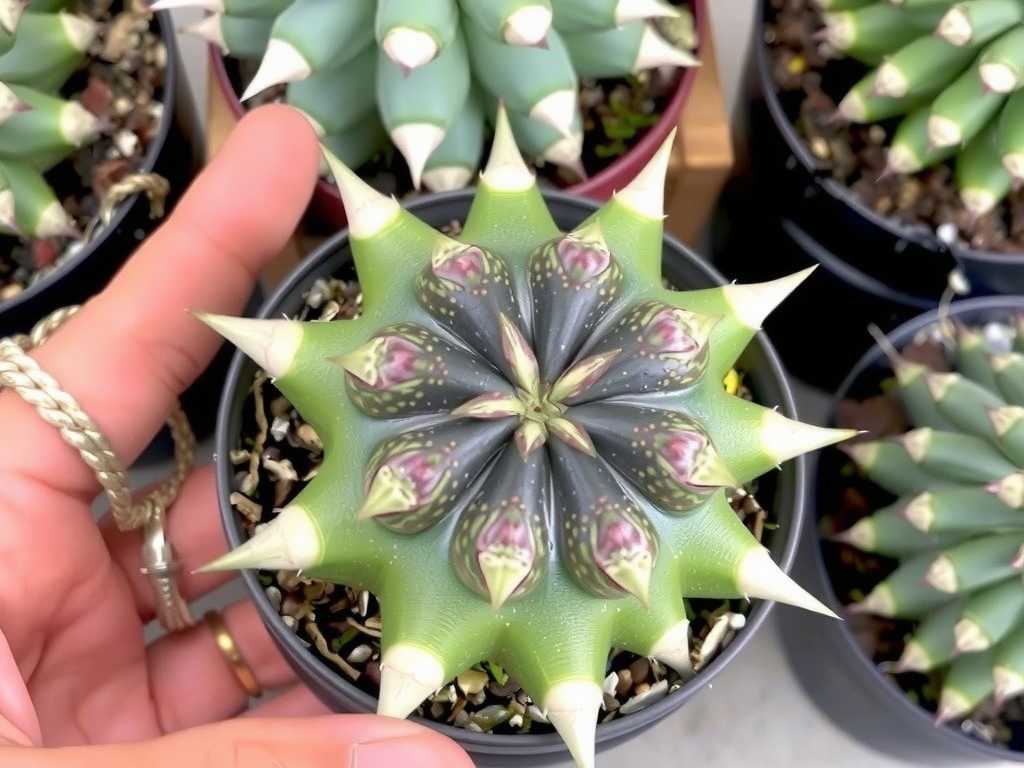
First, let's clarify what we're dealing with. A zygocactus, often called a Christmas or holiday cactus, is frequently grafted onto a Dragon Fruit (Hylocereus) rootstock. This union is the plant's lifeline. The rootstock provides water and nutrients, while the scion (the zygocactus) gives us those beautiful blooms. Repotting disrupts this delicate system. Fresh soil can retain excess moisture, and any minor damage to the stem or roots during the process creates an open door for fungal or bacterial pathogens. The Royal Horticultural Society (RHS) notes that grafted plants are particularly susceptible to rot at the union when soil conditions are too wet, especially if the wound-healing process is interrupted.
My Immediate Action Plan: Step-by-Step Rescue
When I first noticed the telltale signs—a slight give at the graft joint and a dull, brownish hue—I knew I had to act fast. Waiting is not an option with graft rot.
Step 1: Unpot and Assess the Damage Gently remove the plant from its new pot. Brush away all the soil to expose the roots and the graft union. This is where the truth reveals itself. Healthy tissue is firm and green or white. Rotted tissue is soft, brown or black, and often smells unpleasant. My plant had a soft, sunken area about the size of a pea right at the base of the scion.
Step 2: Surgical Removal of Rotted Tissue This is the most critical step. Using a sterilized, sharp knife (I wipe mine with isopropyl alcohol), carefully cut away all the soft, discolored tissue. You must cut back until you reach only firm, healthy flesh. This feels drastic, but it's necessary. In my case, I had to remove a small wedge from the side of the zygocactus scion and a portion of the top of the rootstock. Any rot left behind will continue to spread.
Step 3: Applying a Fungicide and Letting it Callus After cutting, I dusted the entire wound area with a sulfur-based fungicide powder. This helps prevent new pathogens from attacking the fresh wound. Then, I placed the plant in a dry, shaded, and airy location for a full 48 hours. This allows the cut surfaces to form a dry, protective callus. Do not skip this callusing period! Potting too soon was a mistake I made once before, and the rot returned with a vengeance.
Step 4: Repotting in a Life-Saving Medium For the new potting mix, I used a radically fast-draining blend: 50% cactus/succulent mix and 50% perlite or pumice. The American Horticultural Society (AHS) emphasizes the importance of excellent drainage for container plants, especially those prone to rot. I chose a clean pot, only slightly larger than the remaining root ball, with ample drainage holes. I potted the plant so the callused graft union was above the soil line, not buried. This improves air circulation and keeps the sensitive area dry.
Step 5: The Critical Two-Week Watering Protocol Here’s where patience is key. I did not water the plant at all for the first two weeks after repotting. Not a drop. The goal is to encourage new root growth in search of moisture without providing a wet environment that could reactivate rot. I placed the pot in bright, indirect light and simply monitored it.
My Two-Week Observation Diary and the Pitfalls I Overcame
- Days 1-3: The plant looked slightly wilted, which was stressful. The urge to water was strong, but I resisted.
- Days 4-7: The wilt stabilized. No further signs of softening or discoloration at the graft site. This was a good sign—the callus was holding.
- Days 8-10: I noticed the very tips of the zygocactus segments beginning to show a hint of new, red-tinged growth. This was the first major positive indicator!
- Days 11-14: The new growth became more evident. At the end of two weeks, I gave the pot a slight wiggle; there was a hint of resistance, suggesting some new root anchorage. I then administered a very light watering, only moistening the top layer of soil.
The pitfall I overcame was overcare. My initial instinct was to water to "perk it up" or use a root stimulator. Both would have been fatal. The plant needed a dry, stable environment to mobilize its own healing resources. Another common mistake is using a pot that's too large, which holds moisture for too long around the small root system.
Preventing Future Graft Rot Issues During Repotting
The best fix is prevention. Now, when I repot any grafted cactus, I follow a golden rule: keep the graft union high and dry. I always wait at least a week after repotting before the first watering, and I ensure my potting mix is so gritty that water runs through it instantly. Choosing the right soil for zygocactus after grafting is not about richness; it's about drainage and aeration.
FAQ: Your Top Graft Rot Questions Answered
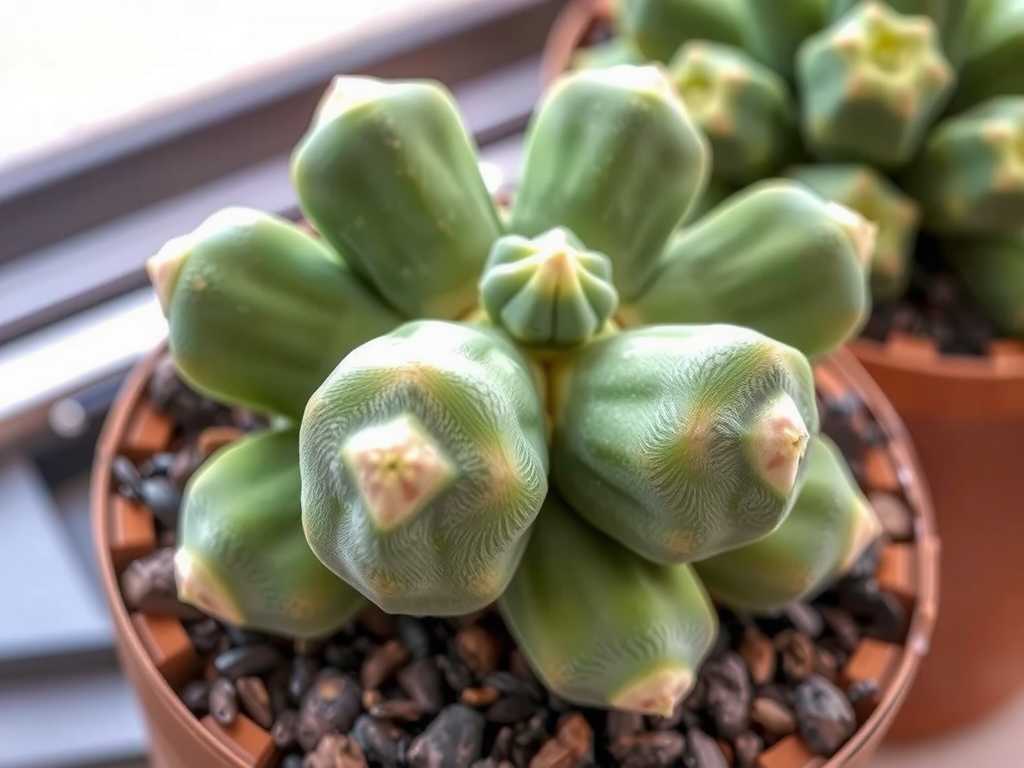
Can a zygocactus survive if the graft is completely rotted? If the rot has completely severed the connection between the scion and rootstock, saving the grafted plant is unlikely. However, you can attempt to propagate the healthy zygocactus segments above the rot by taking cuttings and rooting them separately as an ungrafted plant.
What's the best fungicide to use for cactus graft rot? Sulfur powder is a classic, safe, and effective choice for home gardeners. For more severe cases, a copper-based fungicide can be used according to label instructions. The key is applying it to a clean, dry wound before callusing.
How often should I water after the initial two-week recovery? Resume watering only when the soil is completely dry, and do so deeply but infrequently. In typical indoor conditions, this may mean watering every 3-4 weeks, always checking the soil moisture first. The plant will tell you it needs water when its segments appear slightly wrinkled.
Graft rot after repotting is a serious threat, but it doesn't have to be a death sentence. By acting swiftly with clean cuts, allowing a proper callus, and mastering a dry recovery period, you can halt the rot and give your plant a fighting chance. The process requires restraint and observation, but seeing that first bit of new growth after two weeks is incredibly rewarding. Remember, with grafted plants, your best tools are a sterile blade, a fast-draining pot, and the patience to let the plant heal on its own terms.