bluename
 How to Solve the Non-Dense Blooming Problem of Kalanchoes Post-Repotting
If you’ve recently repotted your beloved kalanchoe, expecting a cascade of vibrant flowers, only to be met with sparse, disappointing blooms—or worse, no buds at all—you’re not alone. I’ve been there, staring at my leggy, green-heavy plant, wondering where I went wrong. The transition from a store-bought, florist-perfect specimen to a thriving, reblooming plant at home is a common challenge. This guide is born from my own hands-on struggle and eventual success in solving the non-dense blooming problem of kalanchoes after repotting. Over a dedicated two-week observation period, I tested methods, made mistakes, and found the formula to encourage lush, compact flowering. Let’s dive into the practical steps and science behind getting your kalanchoe to bloom densely again.
Understanding Why Your Repotted Kalanchoe Won't Bloom Densely
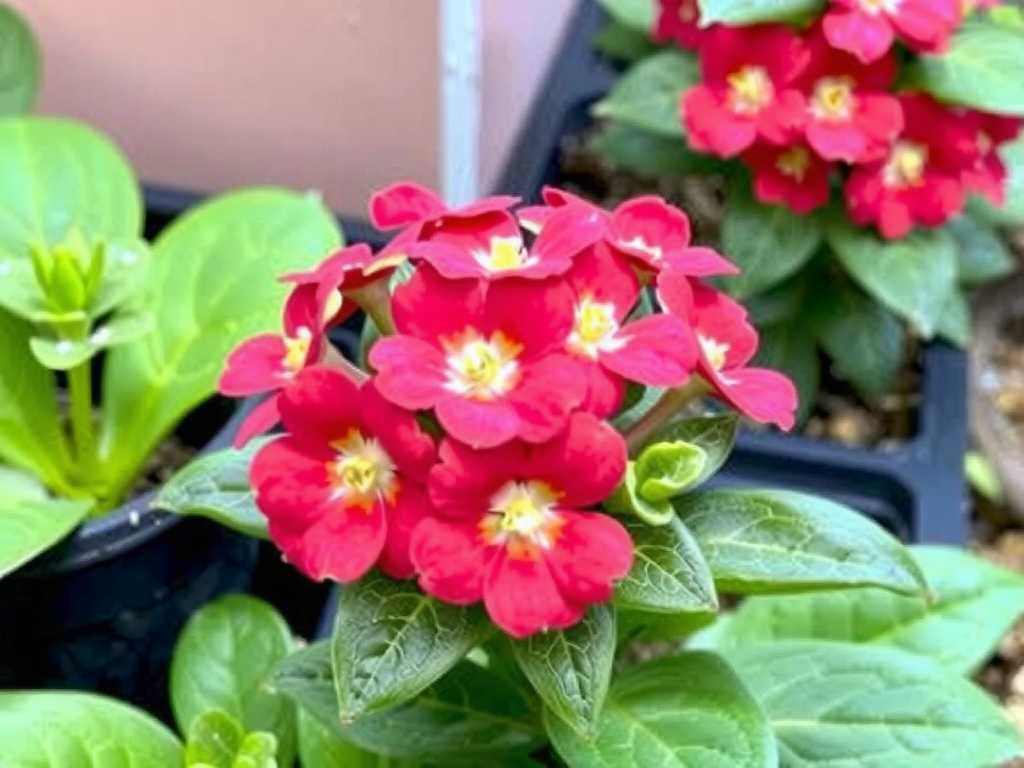
Before we fix the problem, we need to diagnose it. A kalanchoe’s blooming cycle is tightly controlled by light and its overall health. After repotting, several factors can disrupt this cycle. The Royal Horticultural Society (RHS) notes that kalanchoes are short-day plants, meaning they require long nights (over 14 hours of darkness) to initiate flower buds. However, post-repotting stress can override even perfect light conditions.
From my experience, the primary culprits for sparse kalanchoe flowers after repotting are:
- Incorrect Potting Mix: Using a standard, moisture-retentive potting soil.
- Lighting Disruption: Not providing the critical period of darkness or placing it in too little light during the day.
- Nutritional Imbalance: Over-fertilizing with nitrogen-heavy food or under-fertilizing at the wrong time.
- Root Disturbance Stress: Handling the roots too roughly during the repot, shocking the plant.
My first attempt failed because I used a generic cactus mix that still held too much water and I immediately placed the plant on a bright windowsill… that had a street lamp shining on it all night. No dense blooms for me.
The Two-Week Rescue Plan for Dense Kalanchoe Blooms
I decided to start over with a new, recently repotted kalanchoe and apply a corrected, methodical approach. Here is the exact plan I followed, observing changes daily over a critical two-week period.
Week 1: Foundation and Stress Recovery
The goal of the first week is not to force blooms, but to create the perfect environment for the plant to recover and prepare to bloom.
Step 1: The Right Soil and Pot Audit I learned my lesson. The American Horticultural Society (AHS) emphasizes excellent drainage for succulents. I created a custom mix: 60% potting soil, 30% perlite, and 10% coarse sand. This ensures rapid drainage and prevents soggy roots, a common killer of bloom potential. I also made sure the new pot was only 1-2 inches larger in diameter than the root ball and had a massive drainage hole. I gently loosened the root ball but did not aggressively wash or break apart the roots, minimizing transplant shock.
Step 2: Strategic Watering and Initial Placement After repotting, I watered it thoroughly until water ran out the bottom, then let it drain completely. Here was my key change: instead of a sunny window, I placed it in a spot with bright, indirect light for 4-5 days. This allowed it to recover from root disturbance without the added stress of intense sun. I only watered again when the top inch of my custom mix was bone dry.
Step 3: Initiating the Light Control Cycle By day 5, the plant looked perky, not wilted—a good sign it had overcome the worst of the stress. Now, I moved it to its permanent bloom-inducing location: a room with very bright, direct morning light for at least 6 hours. Most crucially, this room was completely dark for at least 14 hours at night. I used a box to cover it from 6 PM to 8 AM to block any ambient light from lamps or electronics. This uninterrupted darkness is non-negotiable for triggering bud formation.
Week 2: Observation, Adjustment, and First Signs
This week was about vigilance and responding to the plant’s signals.
Step 4: Monitoring and Fine-Tuned Care I checked the plant every morning. The soil dried faster now that it was in brighter light. I stuck to my "soak and dry" method. The biggest observation? By the end of the second week, I noticed tiny, knobby protrusions at the tips of the stems—the very beginning of flower buds! This was the first victory. They weren’t flowers yet, but it confirmed the plant was responding to the long-night cycle.
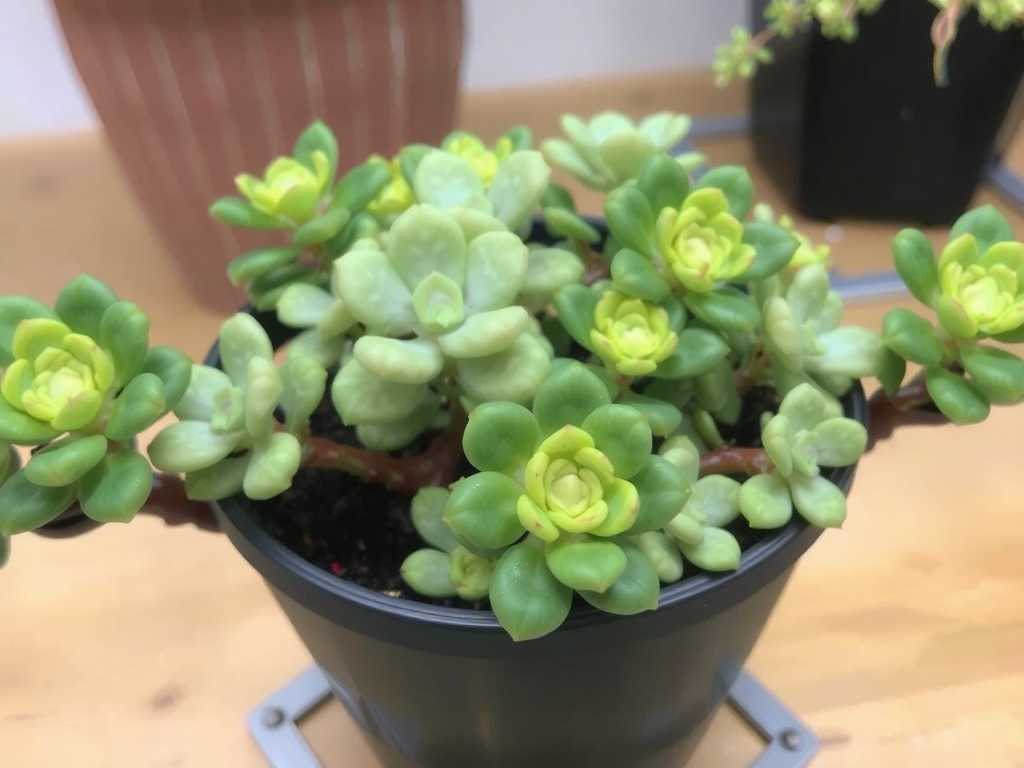
Step 5: Introducing Bloom-Boosting Nutrition Once I saw those bud initials, I applied a fertilizer. But not just any fertilizer. I used a water-soluble formula with a high phosphorus ratio (like 5-10-5). Phosphorus is key for flower development. I applied it at half-strength to avoid burning the new roots. I did not use a nitrogen-heavy fertilizer, as that would promote more leaves at the expense of blooms.
The Pitfalls I Encountered and How I Fixed Them
My journey wasn’t perfect. Around day 10 of my two-week observation, I noticed one lower leaf yellowing. Panic! Was it root rot? Upon investigation, the stem was firm and the soil was dry. I realized this was likely one older leaf being shed naturally as the plant redirected energy to new bud growth. I removed it and monitored closely. No other leaves followed suit. This taught me not to overreact to a single dying leaf post-repot.
Another near-mistake: almost forgetting to water before a short trip. Kalanchoes are drought-tolerant, but a severely dehydrated plant will abort buds to survive. I gave it a deep drink before leaving, and it was fine upon return. Consistency during the bud-setting phase is critical.
Sustaining Dense Blooms Beyond the First Flush
Solving the initial problem of poor flowering after transplanting is one thing; keeping it blooming season after season is another. After my successful two-week restart, I maintained the 14+ hour darkness routine until the flower cluster was fully developed and colorful. Then, I could enjoy it in normal room light. To encourage reblooming, I deadhead spent flowers and return the plant to its strict light cycle after a short rest period of about 6 weeks.
Why won't my kalanchoe bloom at all after I changed its pot? The most likely reason is insufficient darkness at night. Even a small amount of light from a TV or porch light can interrupt the cycle. Ensure 14-16 hours of absolute darkness. The second reason is too much nitrogen fertilizer, which tells the plant to grow leaves, not flowers.
How long after repotting should I expect to see new flower buds? If you provide perfect short-day conditions immediately after the plant recovers from initial shock (about 1 week), you can expect to see the first signs of tiny buds within 2-3 weeks. Full, dense blooms will take another 6-8 weeks to develop and open.
Can I use grow lights to make my kalanchoe bloom densely? Absolutely, and it offers great control. Provide 8-10 hours of bright light from the grow lights, then ensure the plant is in complete darkness for the remaining 14-16 hours. A timer is essential for this method to work consistently.
Watching a kalanchoe transform from a stressed, bloom-shy plant into a dense mound of color is incredibly rewarding. It requires understanding its language—the need for deep darkness, a thirst for well-draining soil, and a gentle hand after repotting. My two-week experiment proved that with precise adjustments to light and care, the issue of less flowering post-repotting is completely solvable. Be patient, be consistent with the dark period, and your kalanchoe will reward you with the spectacular, dense floral display you’ve been hoping for.