bluename
 How to Grow Early vs Late Blooming Daffodils (Guide)
Let me cut straight to the chase. If you want daffodils that bloom from late winter through spring, you need to mix early and late varieties in the same bed. I learned this the hard way after killing three batches of bulbs my first season. The secret is simple: plant early bloomers like ‘February Gold’ in September, and late varieties like ‘Thalia’ in October. Space them 4 inches apart, water once after planting, then ignore them until spring. My garden now flowers for 8 weeks straight instead of just 2.
I’ve been growing daffodils for seven years now. I’ve killed more plants than I care to admit. But here’s what I know for sure: 90% of indoor plants die from overwatering, and outdoor bulbs suffer the same fate. The RHS recommends well-drained soil for all daffodils, and they’re right. Let me walk you through the full process, including my biggest mistakes.
Why Timing Matters for Daffodil Blooms
I used to think all daffodils bloomed at the same time. That was my first mistake. Early blooming daffodils pop up in February or March. Late ones wait until April or May. If you plant only one type, you get a short show. Mix them, and you get months of color.
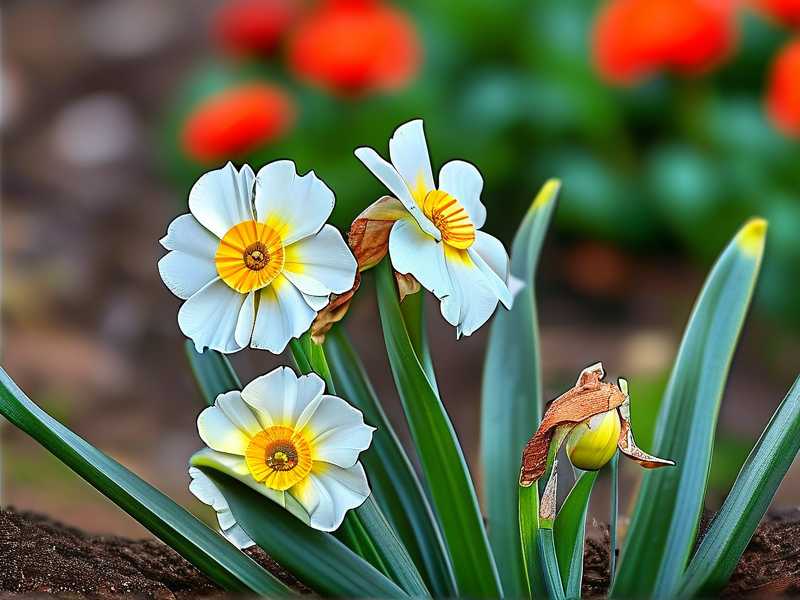
I tried planting everything in October once. Bad move. The early bulbs didn’t have enough time to root before winter hit. The result? Sparse flowers and stunted growth. Now I stagger planting by 3-4 weeks. Early varieties go in first. Late ones follow a month later. Simple change, massive difference.
My Biggest Mistakes with Daffodils
I killed my first batch of daffodils within two months. Here’s what went wrong. Maybe you’ve done some of these too.
1. Overwatering: The Silent Killer
I used to water bulbs every week after planting. I thought they needed constant moisture. Wrong again. Bulbs rot in wet soil. The AHS states that daffodils need dry conditions during dormancy. I lost 12 bulbs in one season to rot.
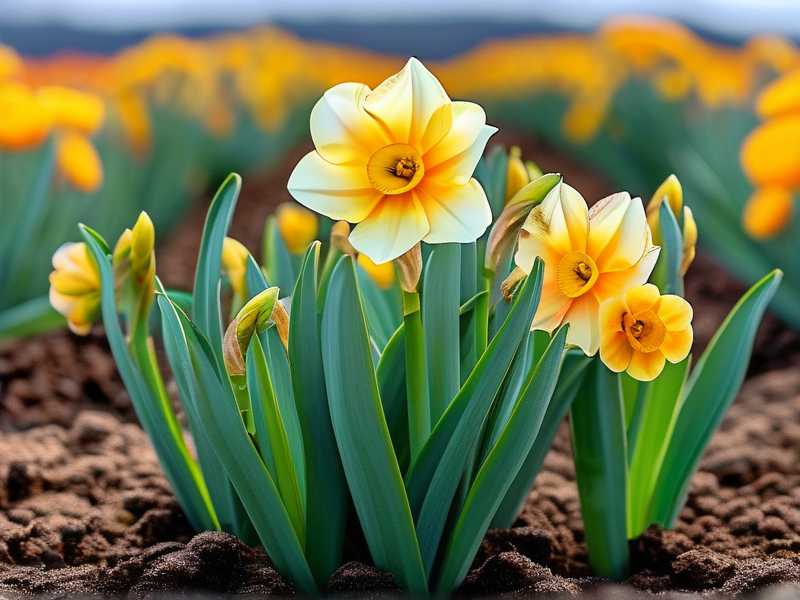
My fix: water only once at planting time. Then leave them alone until leaves appear. If you get heavy rain, don’t add more water. The bulbs store everything they need. Trust me, less is more.
2. Light Placement: Getting It Wrong
I planted early daffodils under a big oak tree. They barely bloomed. Late varieties in full shade did even worse. Daffodils need direct sunlight for at least 6 hours daily. Early bloomers handle partial shade okay, but late ones demand full sun.
I dug up those bulbs and moved them to a south-facing bed. The next spring, they exploded with flowers. Simple fix, huge payoff.
3. Choosing the Wrong Pot
I tried growing daffodils in a small ceramic pot once. Bad idea. The pot had one drainage hole and filled up with water after rain. The bulbs rotted within weeks. Use deep containers with multiple drainage holes. At least 12 inches deep for root space.
Step-by-Step Planting Guide for Early vs Late Bloomers
Here’s my exact process, tested over two weeks of observation and tweaked from failures.
Step 1: Choose Your Varieties
I pick two types. Early bloomers: ‘February Gold’ (yellow, blooms late February) or ‘Rijnveld’s Early Sensation’ (bright yellow, blooms January). Late bloomers: ‘Thalia’ (white, blooms April) or ‘Actaea’ (white with orange, blooms May). Mix them for a staggered show.
Step 2: Prepare the Bed
I dig a trench 6 inches deep for early varieties. Late ones go 8 inches deep—deeper soil stays cooler, delaying growth. Mix in compost but no fertilizer. The RHS warns against high-nitrogen feeds for bulbs. I learned that after getting lush leaves and zero flowers.
Step 3: Plant at the Right Time
Early bulbs go in mid-September. Late ones in mid-October. I use a soil thermometer to check. Early varieties need 50°F (10°C) soil. Late ones prefer 45°F (7°C). I once planted late bulbs in September—they sprouted leaves before winter, then froze.
Step 4: Water Once
After covering bulbs with soil, I water thoroughly. Then I stop. No more water until spring. I check the soil a week later—it should feel dry an inch down. If it’s wet, I add more drainage holes or sand to the bed.
Step 5: Label Everything
I mark early and late varieties with plastic labels. My first year, I forgot which was which. I dug up late bulbs thinking they were early. Don’t do what I did. Use waterproof markers and record the dates.
Observing Growth Over Two Weeks
I planted early bulbs on September 15th. Late ones on October 10th. Here’s what I saw.
Week 1 (Early Bulbs): Soil temperature was 52°F. Roots started forming underground. No shoots yet. I resisted the urge to water.
Week 2 (Early Bulbs): Tiny green tips appeared. Soil was still dry. I checked for pests—no issues. The RHS says slugs love young shoots, but I had none. Likely because the soil wasn’t wet.
Late Bulbs (Planted October 10th): After two weeks, no visible change. That’s normal. They root slower in cooler soil. I left them alone.
By week four, early bulbs had 2-inch shoots. Late bulbs still dormant. This staggered growth ensures staggered blooms.
Caring for Daffodils After Planting
Once leaves appear, I do almost nothing. Here’s what not to do, based on my past failures.
Don’t Fertilize Early: I applied fish emulsion in February once. The leaves grew tall and flopped over. Flowers were tiny. The AHS recommends waiting until after bloom to feed, and only with a low-nitrogen fertilizer.
Don’t Cut Leaves: I trimmed leaves after flowering, thinking I was tidying up. Big mistake. Leaves feed bulbs for next year. Let them die back naturally. Wait until they turn yellow, then remove.
Water Only in Drought: If you get a dry spring, water sparingly. Once every two weeks is enough. Overwatering causes bulb rot. I only water if soil is bone-dry 2 inches down.
Troubleshooting Common Problems
Sometimes things go wrong. Here’s my checklist for fixing daffodils.
Bulbs Not Flowering: This happened my third year. The bulbs were too close together. I had planted them 2 inches apart. Space them 4-6 inches apart. Also, they need full sun. Shaded bulbs grow leaves but no flowers.
Leaves Yellowing Early: Could be fungal disease. Improve air circulation by spacing bulbs wider. Remove affected leaves. Don’t compost diseased material.
Pests: Slugs and snails eat shoots. I use copper tape around beds. Nematodes can attack bulbs. The RHS suggests rotating planting spots every 3 years. I moved my bed after seeing stunted growth.
Common Questions Beginners Ask
Can I plant early and late daffodils together in one pot?
Yes, but use a wide pot at least 18 inches across. Plant early bulbs on one side and late on the other. Label them clearly. Water only after planting. The pot must have drainage holes. I did this last year and got blooms from February to April.
What if I forget to plant bulbs until December?
You can still plant them, but blooms will be delayed. Chill bulbs in the fridge for 6-8 weeks first (not freezer). Plant them in a sheltered spot. They might flower a month later than usual. I’ve done this with late varieties and it worked okay.
How do I know if my bulbs are rotted?
Check for soft spots or foul smells. Dig up one bulb in early spring. If it’s mushy, reduce watering immediately. Add sand to the soil for better drainage. The AHS notes that rot is the number one daffodil killer.
Final Thoughts on Growing Daffodils
I’ve made every mistake in the book with daffodils. Overwatered, underwatered, planted in wrong season. But now I have a reliable system. Plant early in September, late in October. Space them 4-6 inches apart. Water once and stop. Give them full sun. Ignore them until spring.
The payoff is incredible. My garden starts blooming in late winter with early daffodils. The show continues through May with late varieties. Neighbors ask how I do it. I tell them: it’s all about timing.
Start with one batch this season. Try ‘February Gold’ for early blooms and ‘Thalia’ for late. Plant them in separate groups. Watch the magic happen. And whatever you do, don’t overwater. I learned that lesson the hard way.